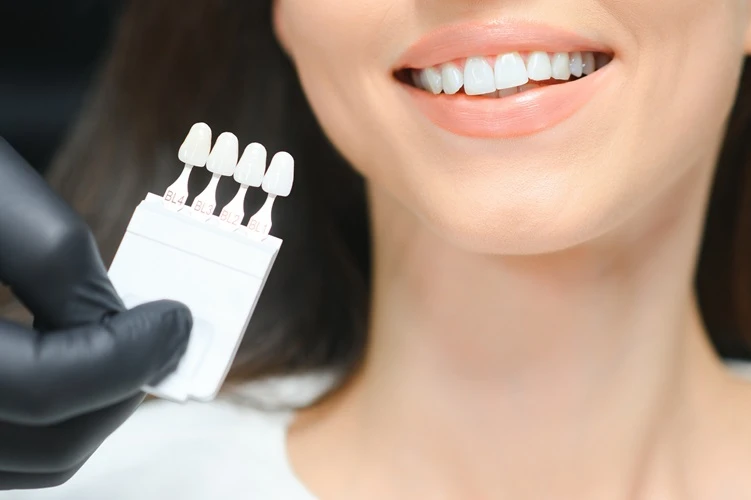
Getting dental veneers is a transformative step toward a brighter, more confident smile. However, your diet plays a key role in protecting both temporary and permanent veneers. Here’s what patients need to know.
Temporary Veneers: Handle with Care
Most veneer treatments involve two appointments. After your initial visit, you’ll receive temporary veneers while waiting for your permanent set. Because these temporary veneers are more fragile, it’s crucial to watch what you eat to avoid cracks or dislodgement.
Foods to Avoid with Temporary Veneers:
- Tough meats like steak
- Crusty or toasted breads
- Hard or crunchy items such as nuts, popcorn, ice, and raw vegetables
- Darkly pigmented foods and drinks like coffee, tea, red wine, berries, and cola
- Sticky sweets including caramel, taffy, and gummy candies
Safer Options Include:
- Pasta
- Eggs
- Bananas
- Soft-cooked chicken
- Canned fruits and vegetables
- Mashed potatoes
- Soft bread or rolls
These softer choices help keep your temporary veneers intact until your permanent ones are ready.
Caring for Permanent Veneers
Permanent veneers are crafted from high-quality materials designed to last 15–20 years with proper care. While they are more durable and stain-resistant than temporary veneers, they still require attention to maintain their appearance.
Tips to Protect Your Veneers Long-Term:
Limit Staining Beverages
Even though veneers resist stains, repeated exposure to coffee, tea, or red wine can gradually dull their shine. Enjoy these drinks in moderation and rinse with water afterward.
Avoid Hard Foods
Biting into hard nuts, ice, or popcorn kernels can chip veneers. Stick to softer snacks to prevent damage.
Reduce Alcohol Intake
Excessive alcohol may weaken the bonding cement that holds your veneers in place. Limiting alcohol protects both your veneers and overall oral health.
Quit Tobacco
Smoking or chewing tobacco can stain veneers and weaken adhesive bonds. It also increases the risk of gum disease, which can compromise veneer stability.
Maintain Excellent Oral Hygiene
Brush at least twice a day, floss regularly, and schedule routine dental checkups. Proper hygiene prevents decay under veneers and helps spot early signs of wear.
Dental veneers can provide a stunning, long-lasting smile, but success depends on mindful care and eating habits. By following these dietary tips and hygiene practices—and consulting regularly with your dentist in Plant City you can protect your investment and enjoy a confident, radiant smile for years to come.


























Sign in to leave a comment.