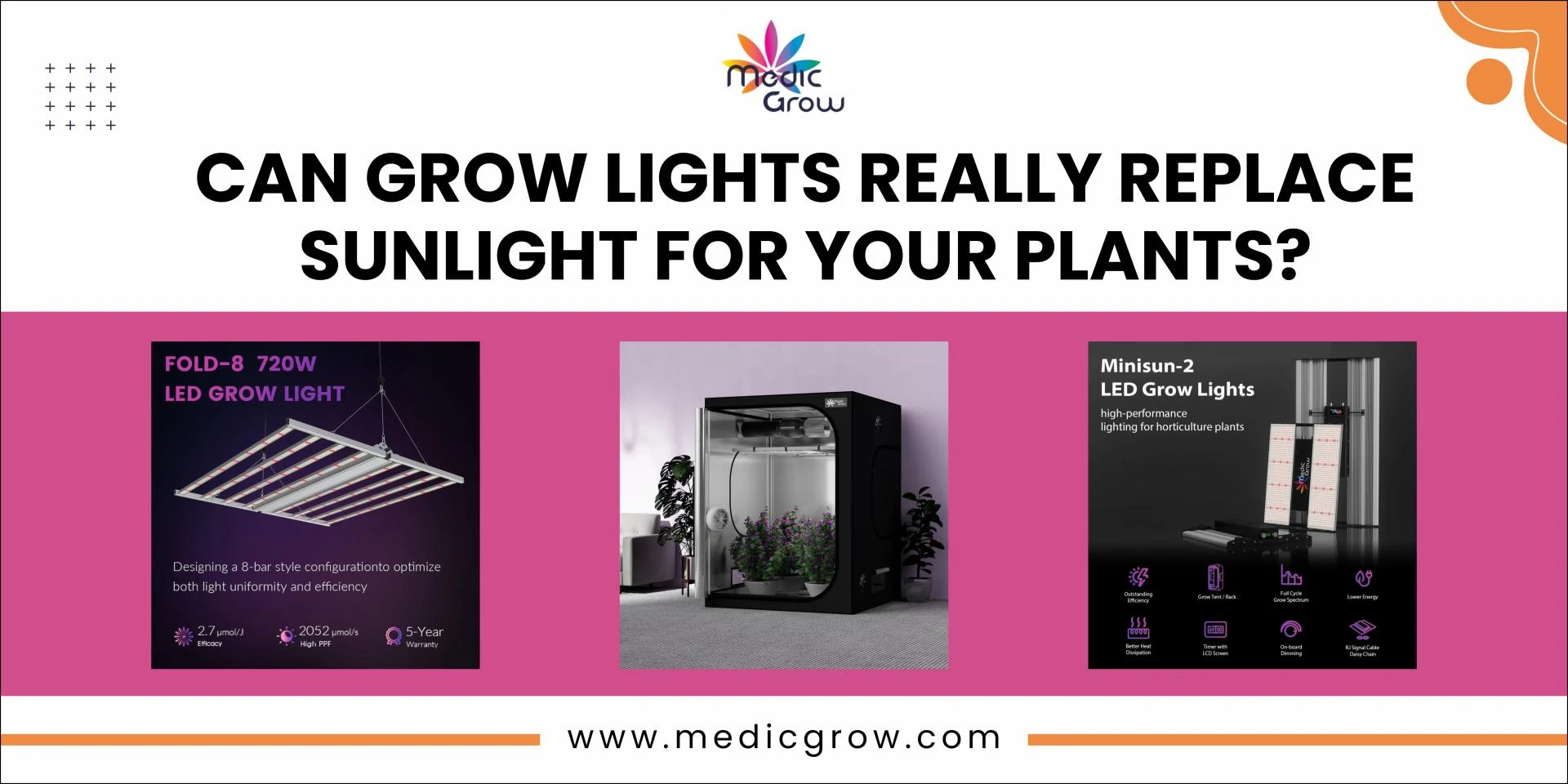

With indoor gardening becoming a trend and LED lights for sale online, it’s time we shed some light (pun intended) on this topic.
Why Do Plants Need Light in the First Place?
Well, in case you skipped your 5th-grade science class, plants use light to conduct a process called photosynthesis. It is the process that converts light energy into food. The more light they get, the more energy they produce. And guess what, sunlight is not just any light, it is the perfect mix of all colors that plants need.
But what happens when your precious plants do not get enough sunlight? They start to look sad with drooping leaves and green algae on top of the soil. That’s where grow lights for plants step in.
What Are Plant Grow Lights?
Grow lights are artificial sources of light that are designed to mimic actual sunlight. These lights step in when natural light is scarce. This means that whether you are nurturing succulents, growing veggies, or simply trying to keep your potted plants alive, a grow light can be your best friend.
Some popular types of grow lights include:
- LED Grow Lights: These lights are energy-efficient and long-lasting. If you are an indoor gardener, you should probably start with these lights. You can find tons of LED lights for sale online very easily.
- Fluorescent Grow Lights: Now, these kinds of grow lights are especially great for seedlings and small indoor plants. They are easy to set up and pretty affordable. Plus, they produce less heat, so they are safe to use for delicate plants.
- High-Intensity Discharge (HID) Lights: The HID lights are incredibly powerful and ideal for those who want to cultivate large plants or need extreme light for flowering stages. These lights are often used in professional greenhouses or if you have a huge indoor gardening setup in your home.
Grow Lights vs Sunlight: Comparison
Now for the big question, can grow lights really replace sunlight? Let’s see:
Spectrum of Light
Sunlight gives you the full spectrum of light, including UV rays. This is essential for all stages of plant growth such as germination and flowering.
Grow lights, especially if you go for the best ones in the market, offer a full spectrum as well. However, not all grow light manufacturers can be trusted. Some of them might not provide the full range, so research thoroughly and choose wisely.
Intensity
Sunlight is intense and inconsistent (unless you live in a gloomy area). Indoor grow lights can replicate the sun but you will need to adjust their placement and wattage. If you choose to buy them online, you will likely get a set of guidelines to help you find the way to do it easily.
Duration
Plants need about 12 to 16 hours of light daily. With sunlight, this is difficult and varies depending on the season. The artificial light setup lets you control the duration so that you can ensure that your plants get exactly what they need.
When Should You Use These Lights?
- Homes with Low Sunlight: If your house does not get enough direct light, a grow light is exactly what you need. Doing this will allow your plants to thrive even in dimly lit apartments.
- Winter Months: Shorter days in winter mean less natural light. This can leave your plants struggling to perform photosynthesis effectively. Grow lights for plants provide consistent illumination ensuring that your plants stay healthy even during those depressing winter days.
- Year-Round Gardening: Want some fresh basil in December? Indoor grow lights make it happen by creating a controlled environment where you can grow herbs, vegetables, and flowers regardless of the season.
How to Choose the Best Grow Lights For Your Plants?
Keep these major factors in mind when shopping for these lights for your plants:
- Spectrum: Go for full-spectrum lights so that it mimics the natural sunlight.
- Energy-Efficiency: LED grow lights are the most affordable and cost-effective solution for your garden in the long run.
- Size: Match the size of your lights to your garden. A small herb garden won’t require the same setup as a full greenhouse tent.
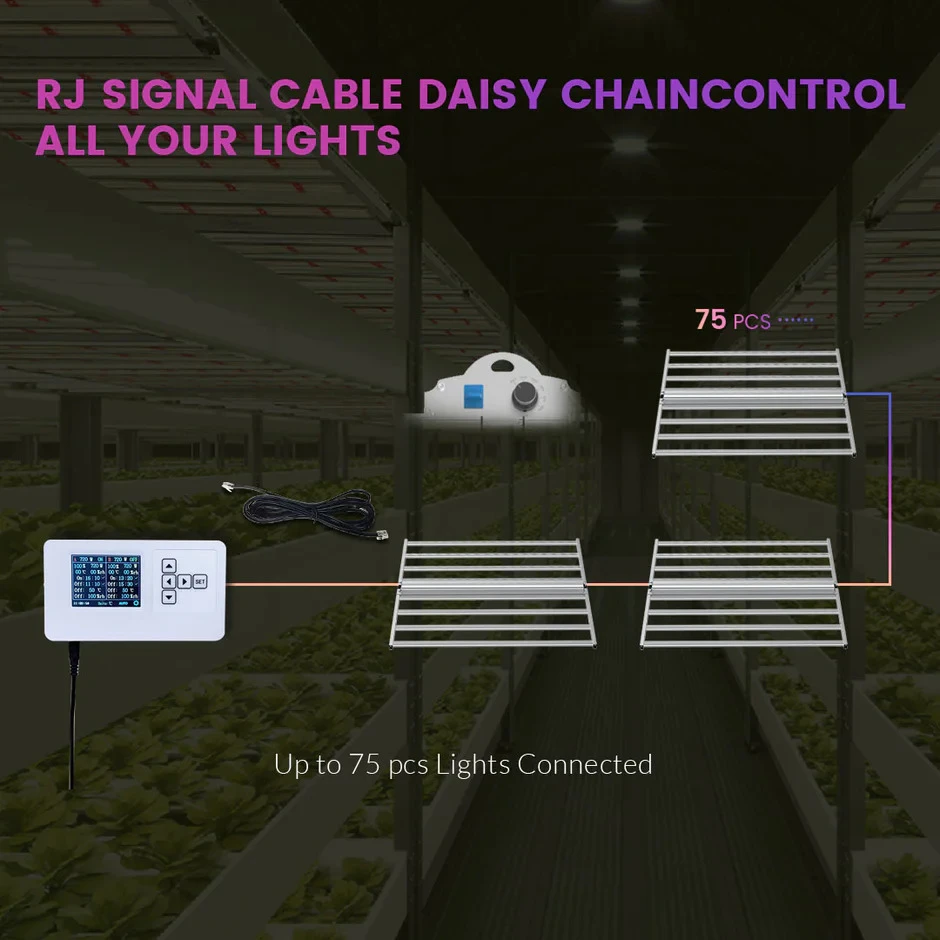
- Adjustability: It is important that you look for additional features such as adjustable brightness and timers to have full control.
The Process to Set Up Lights
Here is a quick guide to get you started:
- Positioning: Place the light about 6 to 12 inches away from your plants. Keeping them too close will scorch them and too far won’t let them get enough light.
- Timing: Use a timer to make sure that your plants get at least 12 to 16 hours of light daily.
- Observation: Keep a close watch on your plants. If they look pale or the algae starts spreading on the soil, it might mean that they need more light.
Bottom Line: Can Grow Lights Replace Sunlight?
The short answer to this question is yes, grow lights can replace sunlight, but you might need some effort. While sunlight is free and effortless, plant LED lights give you control and consistency. With the right setup, you can easily grow healthy and happy plants indoors all year round.
So, the next time you spot LED lights for sale, don’t hesitate to grab one or more for your green friends. They are not just a replacement for sunlight, they are an upgrade in many ways. Go ahead, light up your plants’ world, and have a thriving indoor garden to show off to your friends!
FAQ (Frequently Asked Questions)
Q1. Can I leave my grow lights on 24/7?
No, that is a bad idea. Plants need a rest period to process nutrients and sleep. Typically, plants need at least 8 hours of darkness to thrive.
Q2. Do grow lights use a lot of electricity?
Modern LED grow lights are energy-efficient and affordable. They consume significantly less electricity than traditional house lights.
Q3. Can I use regular LED lights instead of plant grow lights?
Regular LED lights do not provide the full spectrum of light that plants need for photosynthesis. Invest in proper LED lights that are designed for plant growth.






















Sign in to leave a comment.