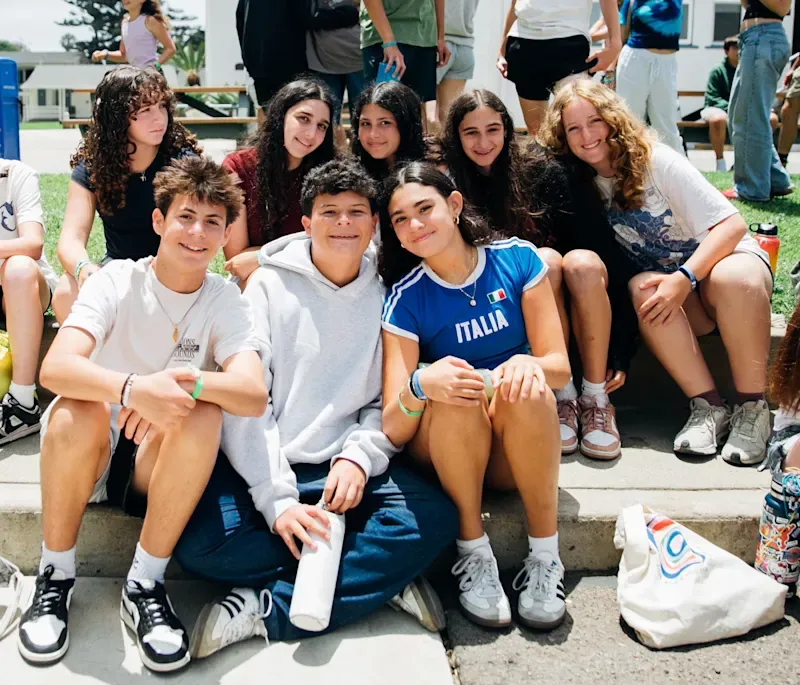

Graduation arrives fast, and many teens walk across the stage without ever having managed a budget, resolved a real conflict, or spent a stretch of days away from home. Parents sense the gap. A strong GPA proves a teen can study, yet it says little about whether they can live independently, lead a group, or bounce back from a setback. High school summer camps step into that gap, turning a few summer weeks into hands-on practice for adult life.
This guide breaks down which skills teens actually build at camp, how those experiences compare to a summer job, and what parents should look for in a program that delivers more than a tan.
The Readiness Gap Schools Rarely Close
Classrooms reward the right answer. Adult life rewards judgment, grit, and the ability to work with people who think differently. Teens rarely get to practice those skills inside a school day packed with tests and deadlines.
Camp flips that structure. Away from home and screens, teens make their own choices all day long, from how to spend free time to how to handle a disagreement in the cabin. Those small decisions add up to real confidence.
Schools also rarely let students fail safely. A missed deadline costs a grade, so teens learn to avoid risk rather than recover from it. Camp offers low-stakes setbacks instead, a capsized kayak or a skit that flops, where the only lesson that matters is how to try again.
Skills Teens Build That Translate to Adulthood
A well-run program targets the exact capabilities colleges and employers say they want most. None of these show up on a transcript, yet all of them shape how a young adult handles the first hard month away from home.
Independence and Self-Management
Living away from parents forces teens to manage their own time, belongings, and routines. They wake themselves, plan their day, and handle problems without a parent on call. Small as it sounds, packing a bag, tracking a schedule, and budgeting free time are the daily mechanics of adult life. Research supports the payoff. A National Camp Impact Study from the American Camp Association tied quality camp experiences to lasting growth in independence, social awareness, and perseverance.
Leadership Through Counselor-in-Training Roles
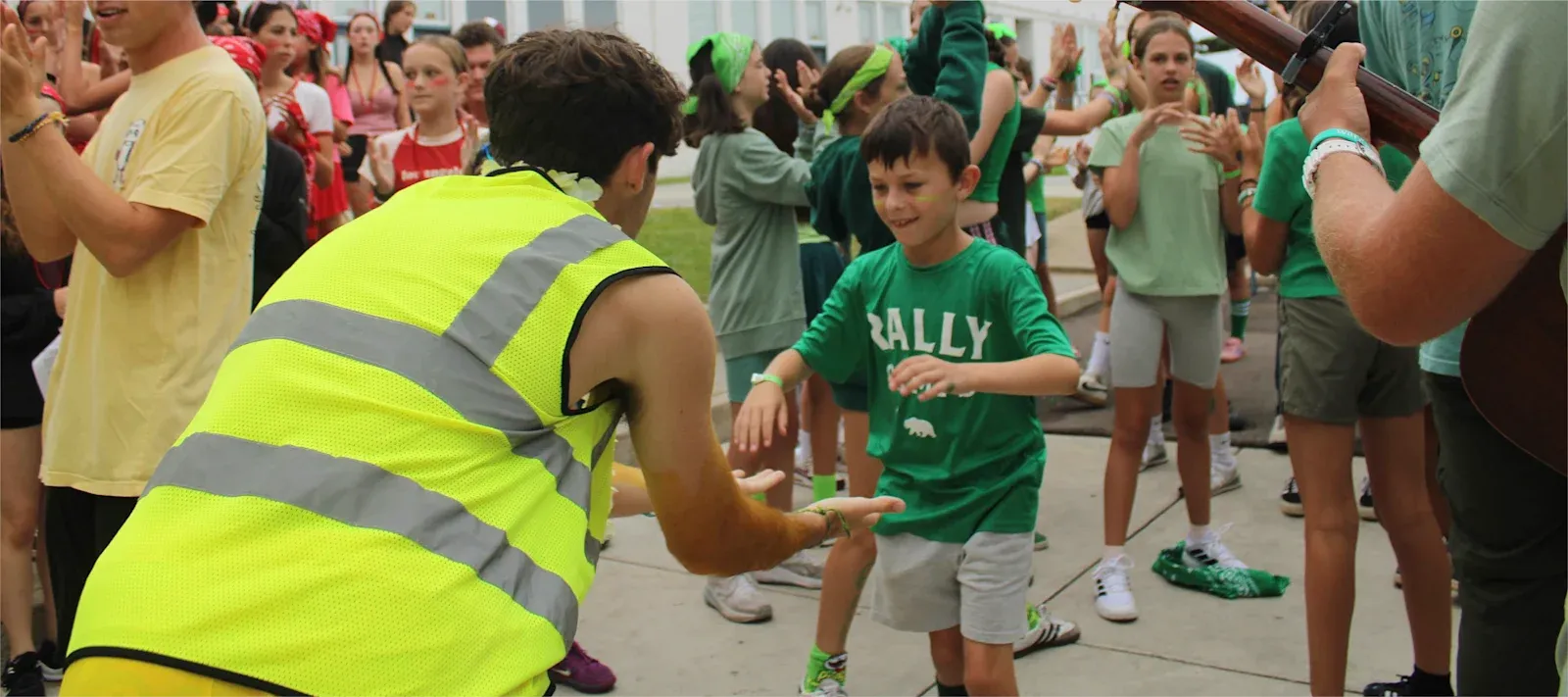
Many programs offer a summer camp for high school students that doubles as a leadership track. Older teens mentor younger campers, plan activities, and shoulder real responsibility. Guiding a group of nine-year-olds through a rainy afternoon teaches more about leadership than any worksheet. Those moments build the kind of poise that shows up in job interviews and college seminars.
Communication and Teamwork
Cabin life is a crash course in getting along. Teens learn to voice an opinion, listen to others, and solve problems as a group. They practice giving feedback and accepting it, two skills that carry straight into dorms and workplaces.
Resilience When Plans Fall Apart
Weather cancels the hike. A teammate drops out. The campfire refuses to light. Teens learn to adjust, improvise, and keep the group moving. That habit of staying steady when a plan breaks down may be the single most useful thing a graduate carries into a first job.
How Camp Stacks Up Against a Summer Job
A part-time job teaches punctuality and the value of a paycheck, both worthwhile. Camp tends to push different muscles: sustained teamwork, decision-making under pressure, and leadership of peers. The strongest résumés often pair the two.
A teen who spends one summer earning and another mentoring at camp shows colleges a well-rounded story. Camp also asks teens to lead people their own age or younger, a stretch most entry-level jobs never offer. Owning the outcome for a cabin or an activity builds accountability that a supervised shift cannot. Admissions officers notice candidates who have led, served, and grown outside the classroom.
Choosing a Program That Builds Real Skills
Not every program delivers the same depth. A short checklist helps parents weigh the options:
- Accreditation: American Camp Association membership signals trained staff and clear safety standards.
- Leadership track: Look for counselor-in-training or junior-staff roles built for older teens.
- Skill focus. The best summer camp for high school students names the skills it builds, not just the activities it offers.
- Length: Two weeks or longer gives independence time to take hold.
- Reflection: Programs that help teens name what they learned turn a fun summer into lasting growth.
Touring a site, reading current parent reviews, and asking how staff handle homesickness all reveal a program's true quality.
In a Nutshell
High school is a launchpad, and the summer before college can do more than almost any single class to ready a teen for what comes after. Independence, leadership, and genuine teamwork rarely grow inside a classroom, yet they take root in a cabin full of peers.
For families weighing summer camps for high school age teens, the smart move is to start touring this season, since strong leadership tracks fill early. A few summer weeks spent leading, problem-solving, and living independently can hand a graduate the confidence to walk into college, a first job, or a gap year already standing on solid ground.



























Sign in to leave a comment.