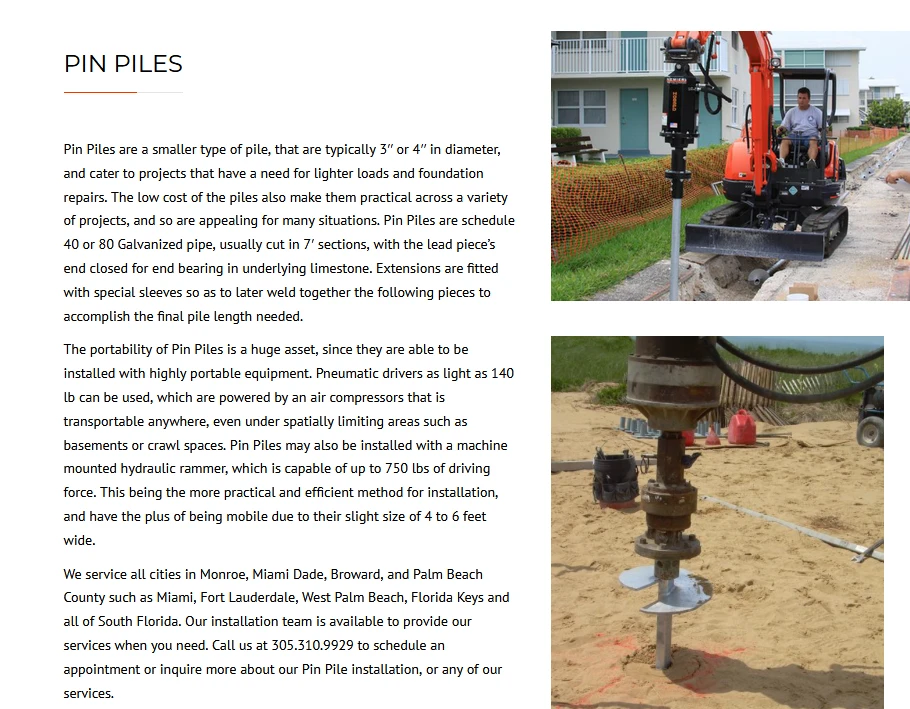

The strength of Islamorada Piles is a major concern regarding coastal construction. The Florida Keys are prone to hurricanes, and structures must be built to endure extreme weather. But can these piles handle the brutal forces of a Category 5 hurricane?
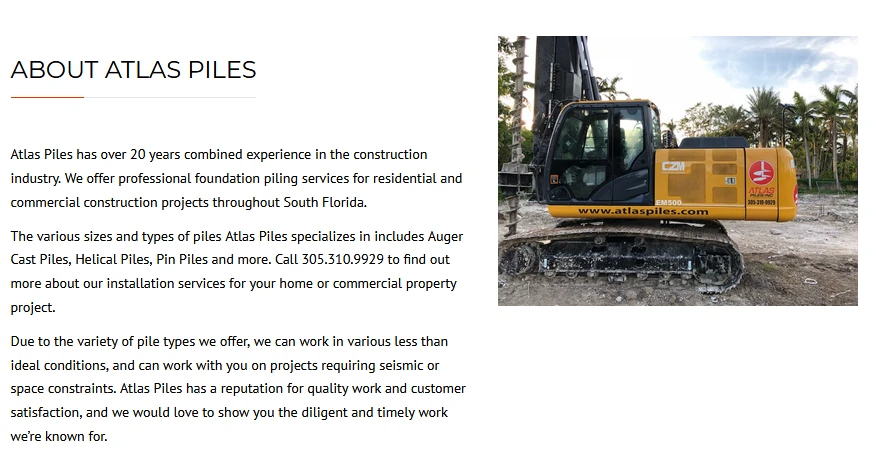
Islamorada Piles
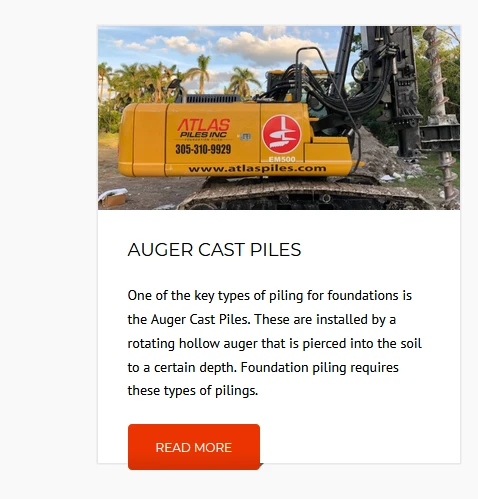
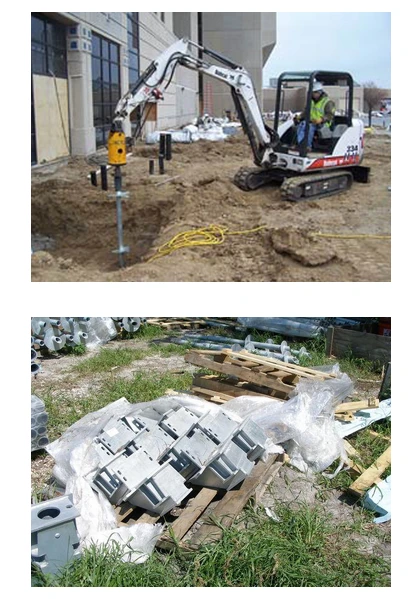
Islamorada piles are deep foundation supports for the area's homes, docks, and commercial buildings. These piles go deep into the ground or seabed, ensuring a stable base against shifting sands and storm surges. There are different types of piles used, including:
- Concrete Piles – Strong and durable, used in most modern buildings.
- Steel Piles – Resistant to corrosion when properly treated.
- Timber Piles – Traditional but less common due to rot and marine life damage.
- Composite Piles – A mix of materials for added strength and longevity.
Each pile type has advantages, but how well do they perform under hurricane conditions?
The Impact of Category 5 Hurricanes on Piles
Category 5 hurricanes bring winds over 157 mph, massive storm surges, and heavy rainfall. These forces put extreme stress on structures. Islamorada piles must resist the following challenges:
- High Winds – Wind pressure can cause severe lateral movement.
- Storm Surge – Rising waters put pressure on foundations.
- Wave Action – Waves pound against structures, weakening supports over time.
- Soil Erosion – Floodwaters can wash away supporting soil, causing instability.
- Floating Debris – Large objects in the water can collide with piles, causing damage.
A pile system must be deeply embedded, made of high-quality materials, and properly maintained to withstand these conditions.
Engineering for Hurricane Resistance
Modern engineering practices have improved the ability of piles to endure hurricanes. Some key factors that enhance pile durability include:
1. Depth and Embedment
- Piles are driven deep into the ground to ensure they anchor well.
- Deeper piles have a better chance of resisting storm surges and erosion.
2. Material Strength
- Reinforced concrete piles are preferred for their ability to handle extreme stress.
- Steel piles with corrosion-resistant coatings last longer in saltwater conditions.
- Composite piles are gaining popularity due to their balance of strength and durability.
3. Connection to Structure
- Buildings must be securely fastened to the piles with hurricane-rated anchors.
- Proper bracing systems help distribute wind and water pressure more effectively.
4. Soil Stability
- Engineers assess soil conditions before pile installation.
- Additional measures like soil stabilization can prevent shifting.
Real-World Performance: Case Studies
Looking at past hurricanes in the Florida Keys gives insight into how Islamorada piles perform under extreme conditions.
Hurricane Irma (2017)
- Some structures on properly installed concrete piles survived with minimal damage.
- Older wooden pile homes suffered severe damage or were destroyed.
- Elevated homes with deep-set piles fared better against storm surges.
Hurricane Andrew (1992)
- High winds tore apart weaker structures, but well-anchored piles remained intact.
- Engineering codes improved after this hurricane, leading to stronger pile foundations.
These cases show that while no structure is completely hurricane-proof, properly designed pile foundations significantly increase survival chances.
How to Strengthen Islamorada Piles Against Future Hurricanes
To improve the resilience of structures in Islamorada, property owners and builders should consider:
- Upgrading to stronger materials – Using reinforced concrete or treated steel piles.
- Increasing pile depth – Extending piles deeper into the ground for better anchorage.
- Regular maintenance – Inspecting piles for cracks, corrosion, or shifting.
- Adding bracing systems – Cross-bracing reduces movement under strong forces.
- Following updated building codes – Modern codes account for climate change and stronger storms.
The Future of Pile Foundations in Islamorada
With climate change increasing hurricane intensity, construction methods must evolve. Engineers are testing:
- Advanced composite materials that resist corrosion and high stress.
- Smart monitoring systems that detect weaknesses before failure occurs.
- Eco-friendly foundation solutions that balance strength with environmental impact.
Final Thoughts
Islamorada piles are built to handle tough conditions, but Category 5 hurricanes push them to their limits. The right materials, engineering, and maintenance make a big difference in ensuring homes and buildings stand strong. Investing in better foundation technology today can prevent major damage in the future.







Sign in to leave a comment.