
Waterfront living in Tavernier is a dream for many homeowners. Open water views, cooling breezes, and direct access to the Keys lifestyle make these properties highly desirable. Yet, if you spend enough time around the area, you’ll notice something interesting. Some waterfront homes still look solid after decades, while others show signs of sinking, cracking, or costly repairs far sooner than expected.
This difference usually has nothing to do with luck. It comes down to how the home was planned, built, and maintained from the ground up. In the Florida Keys, the environment is unforgiving, and small construction decisions can lead to big long-term consequences.
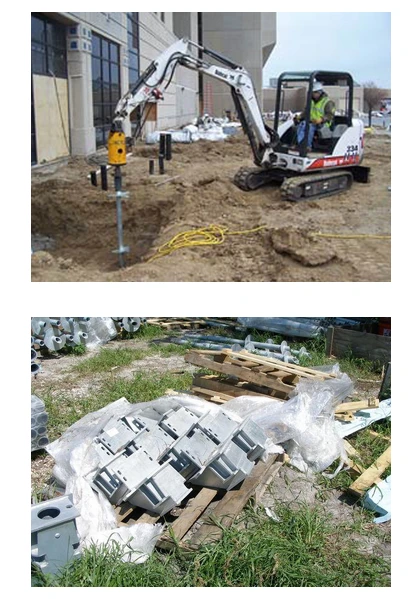
In the early stages of construction, the foundation system plays a major role. Homes supported by properly engineered piling systems, including those designed for conditions common in the Keys like Tavernier Piles, tend to perform far better over time. That foundation choice often sets the tone for how well a home handles storms, tides, and shifting soils year after year.
Below, we break down the real reasons why some waterfront homes in Tavernier last longer than others, explained in plain language without the fluff.
The Ground Beneath the Water Matters More Than You Think
Shallow Rock vs. Soft Marine Sediment
Not all waterfront land in Tavernier is the same. Some areas sit above shallow limestone bedrock, while others rest on layers of soft marine sediment. Homes built over firmer ground naturally have an advantage.
When a structure is placed on soft soils without deep enough support, it may slowly settle or shift. This movement often shows up as cracked walls, uneven floors, or doors that no longer close properly.
Homes that hold up better usually rely on deep-driven piles that reach stable layers below the soft surface material. This approach transfers the weight of the structure away from unstable soils.
How Tidal Movement Affects Soil Stability
Daily tidal cycles constantly move water in and out beneath waterfront homes. Over time, this motion can wash away fine sediments, especially around shallow footings.
Stronger homes account for this by using pile depths and spacing designed to resist long-term erosion. Builders who ignore tidal impact often leave homeowners dealing with hidden foundation issues years later.
Foundation Design Separates Strong Homes From Problem Homes
Elevated Construction Reduces Structural Stress
Homes built higher above the waterline typically experience less flood-related stress. Elevation allows storm surge and wave action to pass beneath the structure instead of slamming into walls.
Older homes or poorly planned builds often sit too low, increasing exposure to water pressure during storms. Over time, this repeated stress weakens the structure and shortens its lifespan.
Pile Type and Installation Quality
Not all piles are equal. Timber, concrete, and composite piles each have specific use cases. The key is matching the right pile material to local conditions and installing it correctly.
Homes that age well usually have piles driven to proper depths using professional marine construction methods. In contrast, shallow or improperly spaced piles may look fine at first but fail under long-term load and environmental exposure.
Storm Resistance Is Built, Not Added Later
Wind Load Engineering Makes a Big Difference
Tavernier sits in a high-wind zone. Homes that last are designed to handle hurricane-force winds from the start.
This includes:
- Reinforced connections between piles and beams
- Proper bracing systems
- Wind-rated materials and fasteners
Trying to add these features after construction is far more expensive and often less effective.
Wave and Surge Planning
Storm surge can lift, twist, or push structures sideways. Homes that survive major storms typically use pile systems engineered to resist both vertical and lateral forces.
This planning is invisible to the eye but critical during extreme weather events.
Materials Chosen for Marine Environments Last Longer
Corrosion Resistance Is Non-Negotiable
Salt air is relentless. Metal components that are not marine-grade will corrode faster than most homeowners expect.
Homes that hold up well often use:
- Hot-dip galvanized or stainless steel hardware
- Treated or wrapped piles
- Concrete mixes designed for salt exposure
Cutting corners here may save money upfront but leads to repairs that cost far more later.
Wood Selection and Treatment Quality
Wood can perform very well in waterfront construction when properly treated. Problems arise when low-quality or improperly treated lumber is used below the waterline.
Durable homes typically rely on pressure-treated materials rated for marine use, reducing rot and insect damage over time.
Construction Experience in the Keys Matters
Local Knowledge Prevents Costly Mistakes
Builders familiar with Tavernier understand tidal patterns, soil behavior, and local permitting requirements. This knowledge directly affects how a home performs long term.
Homes that struggle often trace back to builders unfamiliar with Keys-specific conditions. Even small miscalculations can compound over years of exposure.
Permitting and Engineering Oversight
Stronger homes usually go through rigorous engineering review. Proper permits ensure that pile depth, spacing, and load capacity meet modern standards.
Skipping steps or pushing minimum requirements often leads to structural weaknesses that surface later.
Maintenance Habits Extend Structural Life
Regular Inspections Catch Issues Early
Waterfront homes that age gracefully often receive routine inspections, especially after major storms. Small problems, like exposed pile tops or minor erosion, are easier to fix early.
Ignoring these signs allows damage to spread unseen below the surface.
Protective Upgrades Over Time
Some homeowners invest in additional pile wraps, corrosion protection, or drainage improvements as conditions change. These proactive upgrades help older homes keep pace with newer construction standards.
Design Choices Influence Longevity
Weight Distribution Across the Foundation
Homes designed with balanced weight loads place less stress on individual piles. Large additions or remodels done without structural review can overload certain areas.
Homes that last usually maintain consistent load distribution or upgrade their foundation before expanding.
Dock and Accessory Structure Impact
Docks, boat lifts, and seawalls interact with the home’s foundation. Poorly installed marine structures can redirect wave energy toward piles, increasing wear.
Experienced builders plan these elements together rather than treating them as separate projects.
Why Two Similar Homes Can Age Very Differently
At a glance, two waterfront homes in Tavernier may look nearly identical. Over time, one remains level and secure, while the other develops serious structural issues. The difference often comes down to decisions made before the first beam was ever placed.
Homes that perform well usually share common traits:
- Deep, properly engineered piling systems
- Materials chosen for saltwater exposure
- Construction tailored to local conditions
- Ongoing maintenance and inspections
Homes that struggle often cut corners in one or more of these areas.
Long-Term Value Follows Structural Integrity
Waterfront property is a major investment. Buyers today are more informed and cautious than ever. Homes with visible settling, uneven decks, or foundation repairs raise red flags during inspections.
Properties that hold up structurally tend to:
- Maintain higher resale value
- Pass inspections with fewer issues
- Require fewer emergency repairs
Strong foundations are not just about safety. They protect long-term financial value.
Final Thoughts on Waterfront Home Durability in Tavernier
Living on the water comes with unique rewards and equally unique challenges. The homes that stand strong year after year are not accidents. They are the result of smart planning, proper foundation systems, and construction methods suited to the Florida Keys environment.
If you’re building, buying, or upgrading a waterfront home in Tavernier, paying close attention to what’s below the surface can make all the difference. A well-built foundation is the quiet workhorse of a durable waterfront home, carrying the load through storms, tides, and decades of coastal living.





Sign in to leave a comment.