

You Want That Smile—But at What Cost? You’re sitting in the car, mirror flipped down, adjusting your lipstick or fixing your collar. Then you smile—and pause. The color of your teeth doesn’t match the confidence you want to show. They look... dull, stained, tired.
So, you start Googling professional teeth whitening, thinking, Just one session, that’s all you need. It sounds quick, painless, and promising. But halfway through booking, your thumb hovers. A thought interrupts: Will this hurt your enamel?
That hesitation is why this blog matters. If you're considering professional teeth whitening, read this entire piece. The answer isn’t just yes or no—it’s the story in between.
Enamel: What You Can’t See Still Matters?
Your enamel is the quiet protector of every bite and sip. It's what keeps your teeth from feeling every icy drink or every acidic snack. But here is the grip - it does not move back. When it is gone, it has gone.
Now, white treatment does not work on the surface alone. They seep through enamel to lift deep-set stains. That sounds invasive, right? But it’s not that simple.
The process can sound alarming. But just like a deep skin treatment, it's all about how it’s done and what happens afterwards.
What Happens During Professional Whitening?
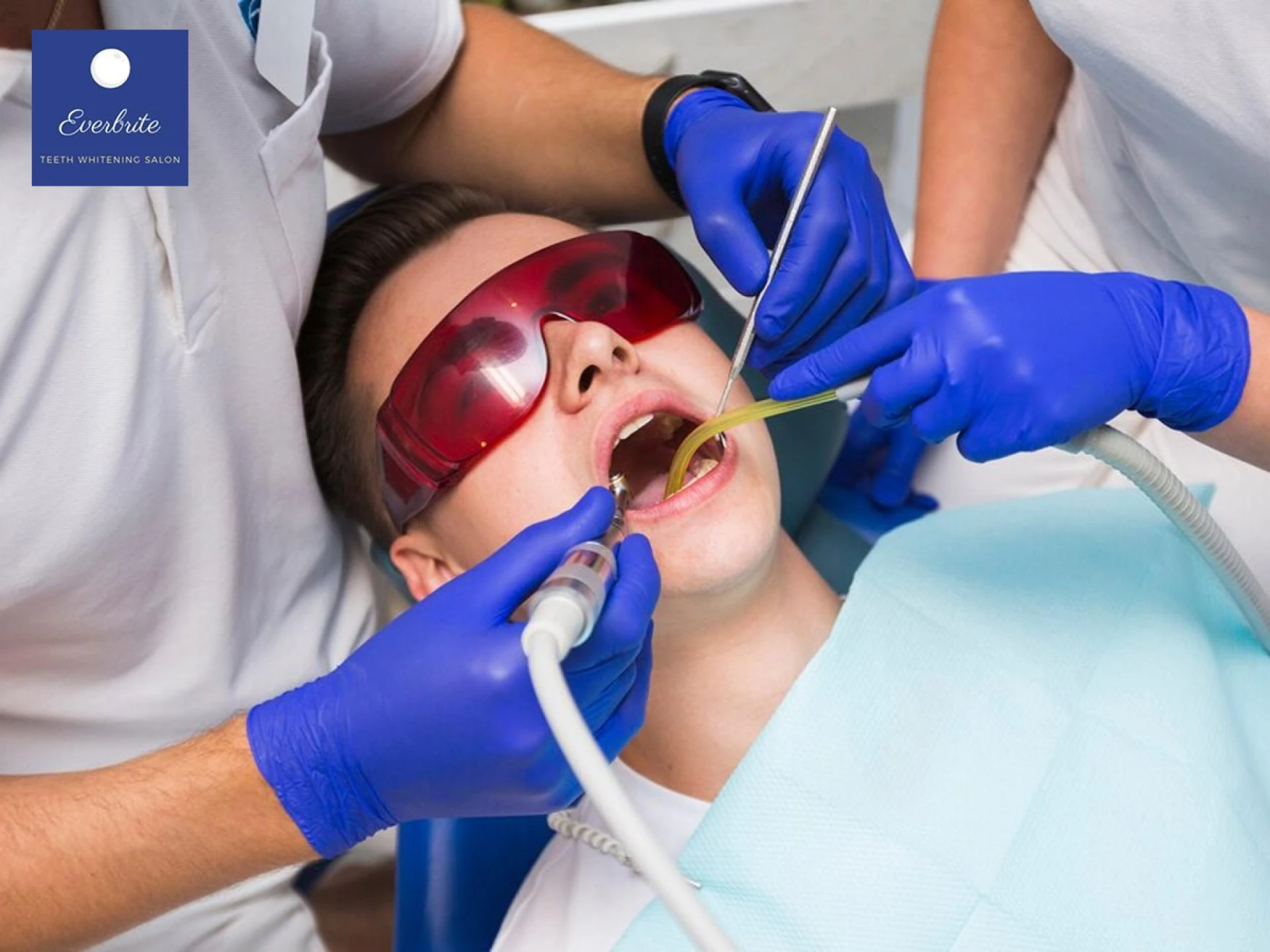
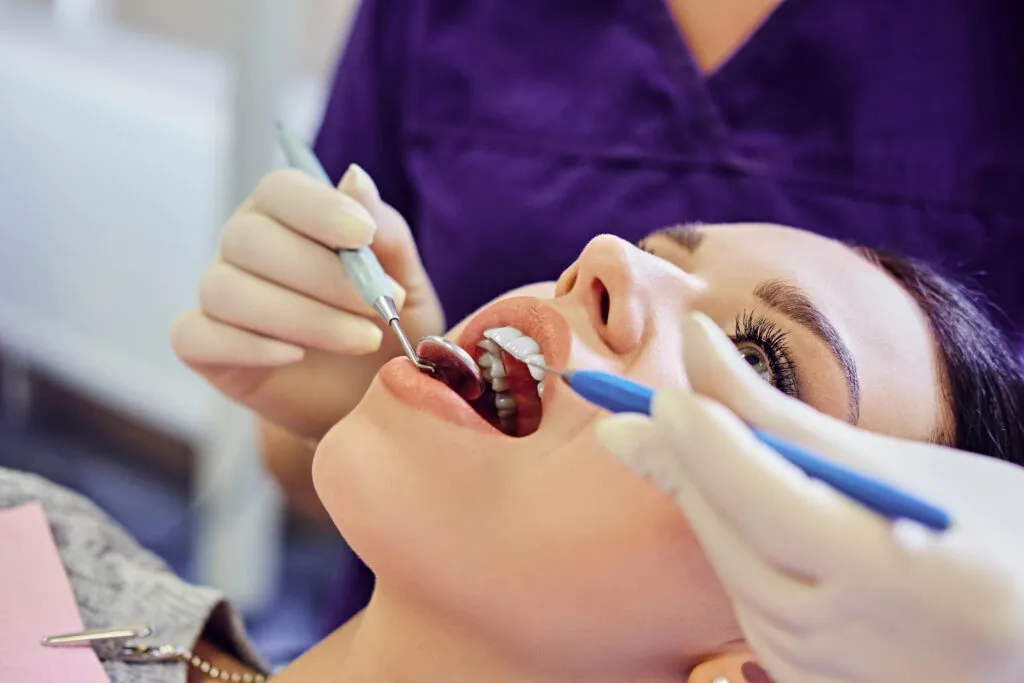
In a controlled environment, professional teeth whitening is highly structured. It doesn’t involve guesswork. The tools used are stronger than drugstore kits but paired with safeguards.
The steps usually look like this:
- A gel with peroxide is applied
- A barrier shields your gums
- A light may activate the formula
- The session ends with a rinse or remineralizing agent
The result? A smile that looks several shades brighter. But the bigger win: it happens without unnecessary strain on your enamel—if done right.
So... Can It Damage Your Enamel?
Let’s be honest. The answer isn’t black and white. Technically, professional teeth whitening doesn’t “damage” enamel when performed by a licensed expert. But there's more to it.
During the session, your enamel loses some moisture. That’s why teeth might feel dry or extra sensitive for a day or two. It’s temporary, not structural damage. However, if you repeat the process often, you can let it go after protection or later use stiff toothpaste, where the damage begins.
In short, this is not a whiteness that damages your enamel. It’s what you do before and after.
Painless Teeth Whitening isn’t a Myth
Sensitive teeth? Nervous about the pain? That’s where painless teeth whitening comes in.
New-age systems have transformed how comfort is handled. These use lower-concentration formulas, no-heat activation, and gels with built-in soothing agents.
These aren’t gimmicks. They’re backed by science and smart formulation. It means you can walk out with a brighter smile without wincing every time you sip water.
What If Whitening Could Strengthen Your Smile?
Imagine brightening your teeth without that lingering sting or worry about long-term harm. Some modern whitening treatments aren’t just focused on removing stains — they’re also made to protect what matters most: your enamel.
These gentler formulas avoid the usual harsh chemicals. Instead, they work with your teeth’s natural structure, often adding minerals back in while whitening. So, if your teeth already feel a little sensitive or thin, this kind of system doesn’t just brighten — it supports. It’s whitening that doesn’t ask your enamel to pay the price.
Habits That Can Wreck Your Enamel After Whitening
Imagine spending time and money on a whiter smile, only to damage your enamel days later. Post-whitening care is everything. Here’s what to avoid in the 48-hour window after treatment:
- Hot coffee, red wine, dark berries
- Brushing aggressively
- Skipping fluoride
- Smoking
- Citrus drinks
Why? Your enamel is slightly more porous during this time. That means stains, acids, and rough brushing can do more harm than usual.
How to Whiten Safely Without Regret?
To make sure your enamel stays protected long after that brighter smile, follow these tips:
- Stick to One Treatment Per 6–12 Months
- Ask About Enamel-Safe Formulas
- Use a Soft Toothbrush and Fluoride Toothpaste
- Don’t Rush Re-treatments — Patience prevents damage
- Eat Enamel-Friendly Foods — calcium and phosphorus help rebuild strength
Long-term results aren’t just about the session itself. They’re about what you do in between.
The Last Line
So... back to the question: Can professional teeth whitening damage your enamel? Not when done properly. In-office whitening is built around protecting what matters most—your tooth health. Enamel isn’t something to gamble with, but it’s also not something you’ll lose from a responsible, well-monitored treatment.
You’ve got choices now. From Everbrite whitening systems to painless teeth whitening techniques, the world of cosmetic dentistry has come a long way. You can smile confidently, without fearing damage in return.
All that’s left now? Taking the step. Because a whiter smile should never come at the cost of a weaker one.






















Sign in to leave a comment.