
The quest for a longer, healthier life isn't just for humans anymore. Pet owners are increasingly interested in the potential of various interventions to extend their furry friends' lifespans. One compound that has been generating significant buzz in the scientific community—and increasingly among pet enthusiasts—is Rapamycin.
Originally known as an immunosuppressant drug used in organ transplant patients, Rapamycin has more recently been studied for its remarkable anti-aging properties. But what does the science actually say about its potential to help your beloved pet live longer?
Understanding Rapamycin and the mTOR Pathway
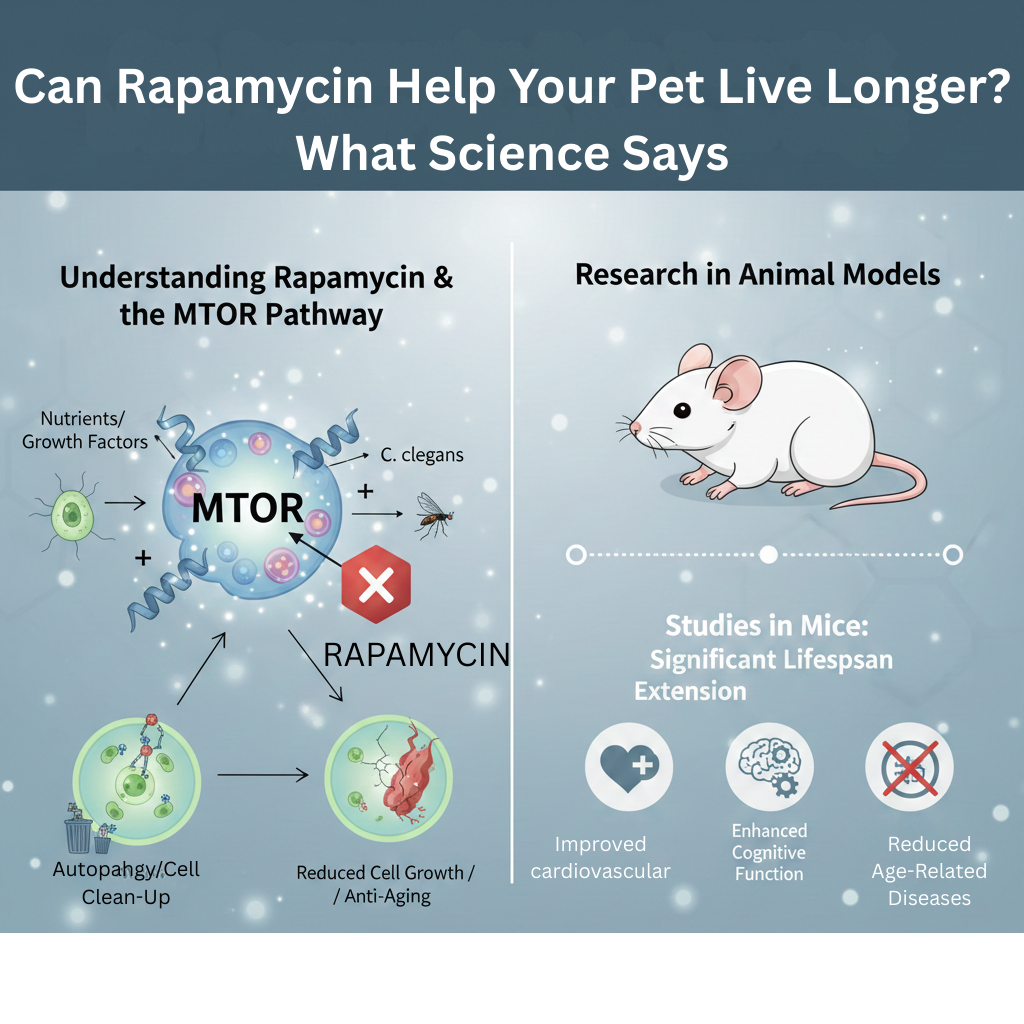
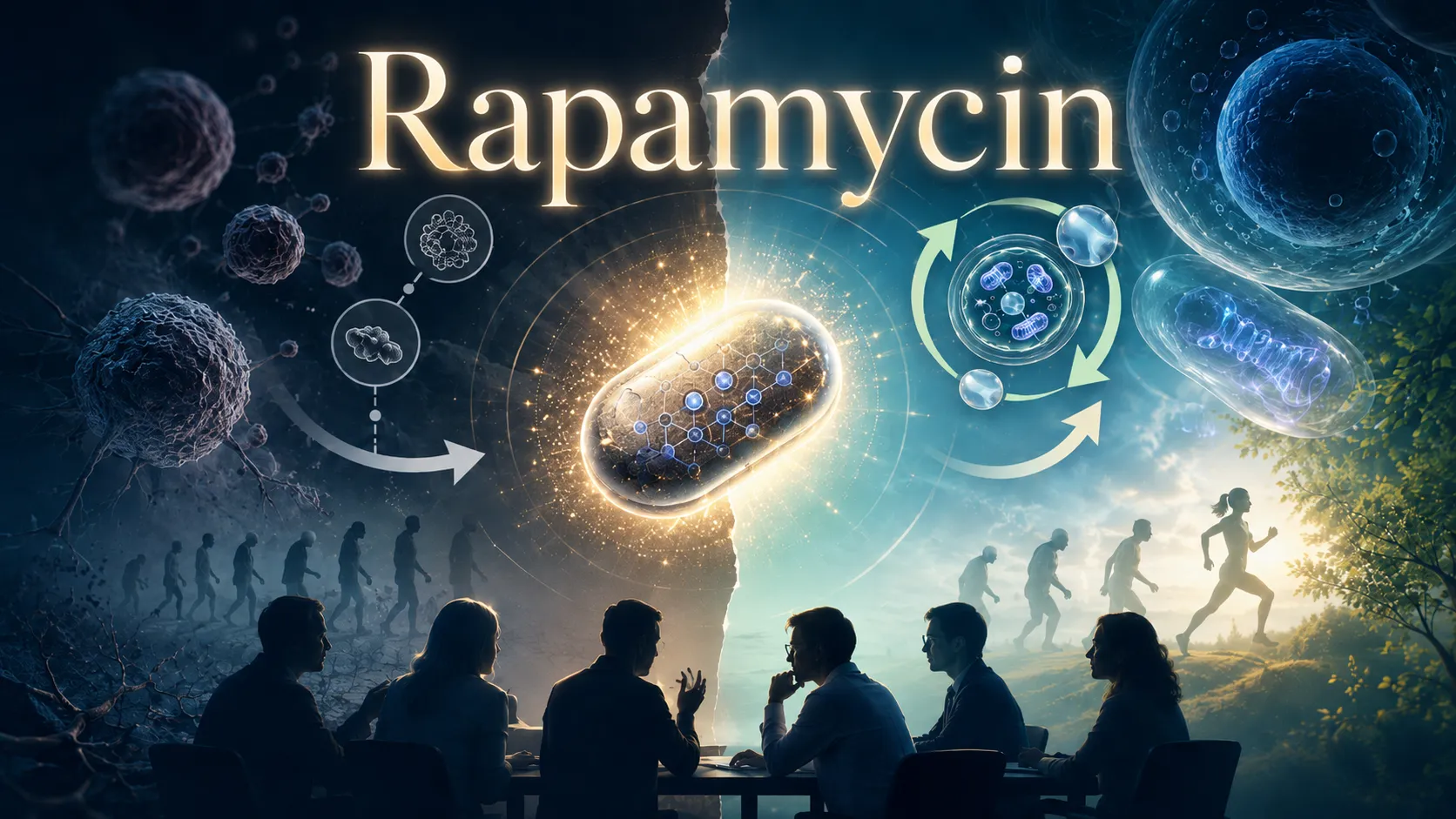
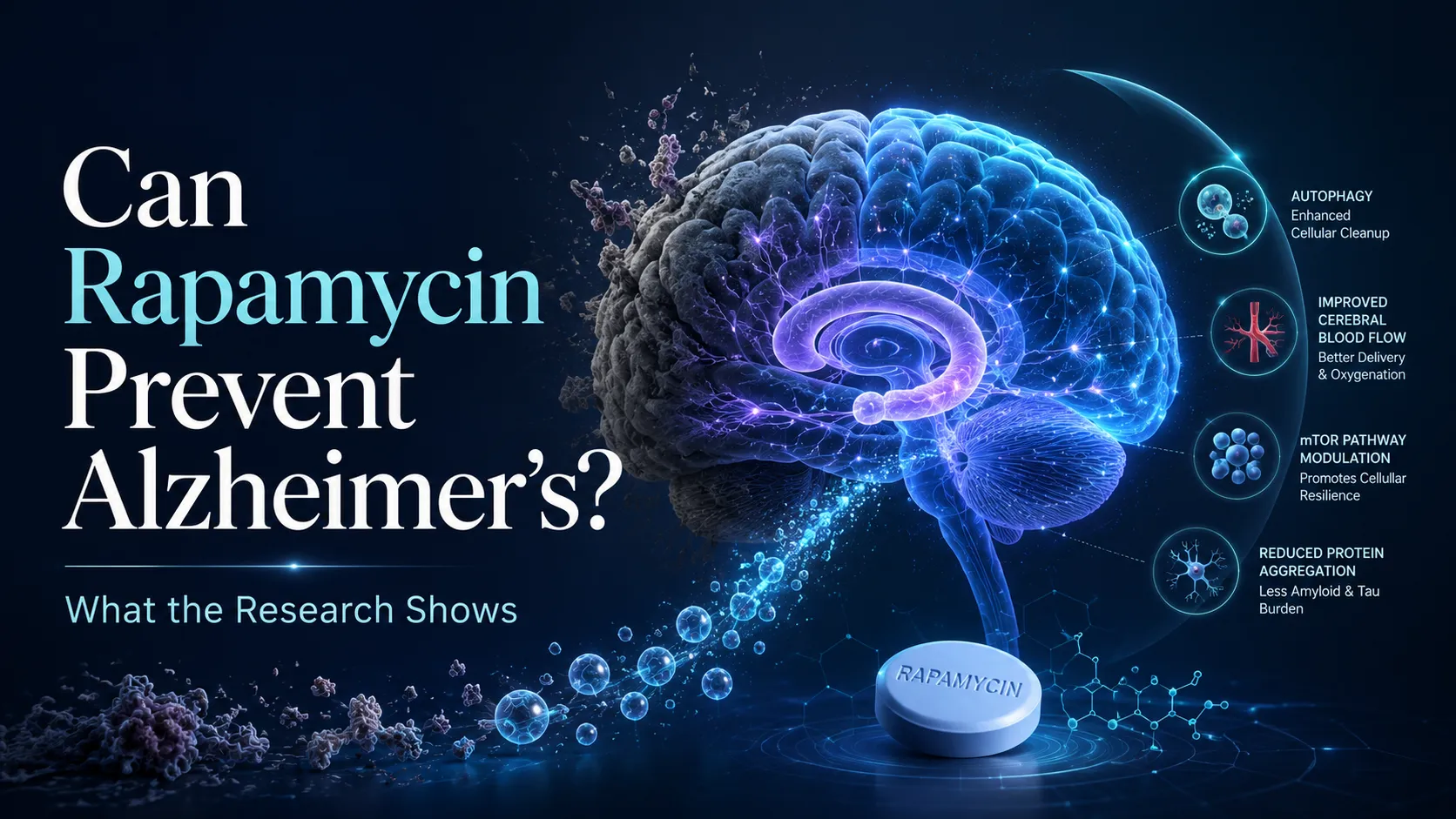
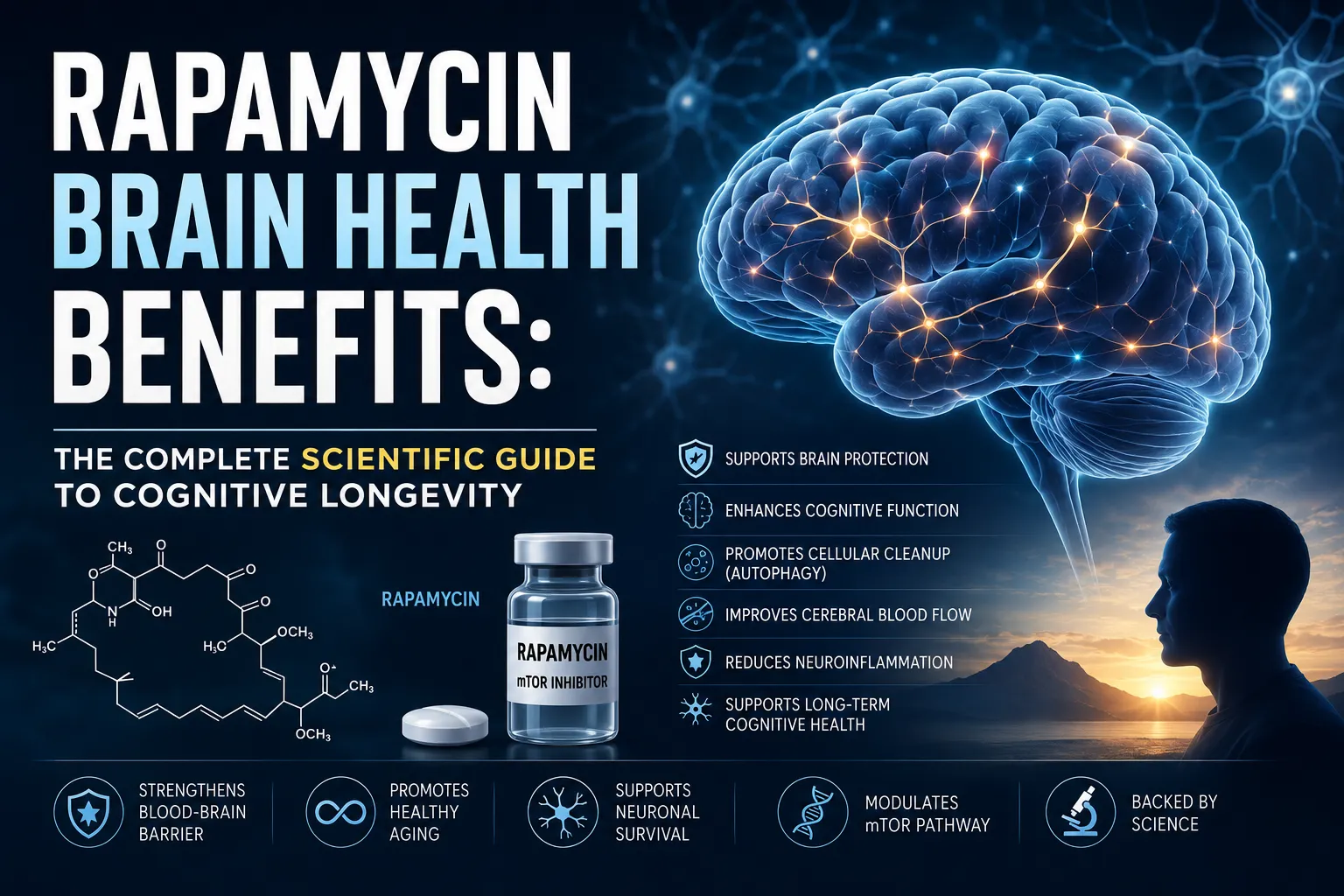
At the heart of Rapamycin's effects lies its interaction with a cellular pathway called mTOR (mammalian Target of Rapamycin). The mTOR pathway is a critical regulator of cell growth, metabolism, and aging.
- When activated: It promotes cell growth and division.
- When inhibited: It triggers processes like autophagy (cellular self-cleaning) and reduces unnecessary protein synthesis.
Rapamycin works by inhibiting mTOR. This inhibition is thought to mimic some of the beneficial effects of calorie restriction, which is one of the most well-established methods for extending lifespan in various organisms.
Research in Animal Models
The journey of Rapamycin as an anti-aging compound began with studies in simpler organisms. It has been shown to extend the lifespan of yeast, worms (C. elegans), and fruit flies. These early successes paved the way for more complex animal studies.
Perhaps the most compelling evidence comes from studies in mice. Several independent research groups have demonstrated that Rapamycin can significantly extend the lifespan of mice, even when administered later in life. Beyond just increasing longevity, treated mice often exhibit:
- Improved cardiovascular function.
- Enhanced cognitive abilities.
- Reduced incidence of certain age-related diseases.
Is It Safe for Dogs and Cats?
While the results in mice are exciting, pet owners are naturally concerned about safety. The Dog Aging Project, a large-scale nationwide study in the U.S., is currently investigating the effects of Rapamycin on healthy older dogs.
Preliminary results from small-scale trials have been encouraging, showing that low doses of Rapamycin appear to be well-tolerated in dogs with minimal side effects. However, it is crucial to remember that Rapamycin is a powerful drug. High doses used for organ transplants can cause side effects like mouth sores, gastrointestinal issues, or increased infection risk.
Conclusion
The science surrounding Rapamycin and pet longevity is promising but still evolving. While we aren't at the point of a "longevity pill" for every pet, the ongoing research is providing valuable insights into how we might help our companions live not just longer, but healthier lives.
Frequently Asked Questions (FAQ)
1. Is Rapamycin safe for my dog or cat? Current research is still investigating long-term safety. While initial small-scale trials show promise and minimal side effects at low doses, it should only be administered under strict veterinary supervision.
2. Does Rapamycin have side effects in pets? In high doses, it can cause gastrointestinal issues or slowed wound healing. However, the extremely low doses used in longevity research have shown very few side effects in early canine studies.
3. Where can I get Rapamycin for my pet? For more information on sourcing and high-quality options, you can visit Rapashop.net.
4. How much can Rapamycin extend a pet's life? While studies in mice showed lifespan increases of up to 25%, it is too early to give an exact number for dogs or cats. The primary goal of current research is to extend the "healthspan"—the period of life spent in good health.
Sign in to leave a comment.