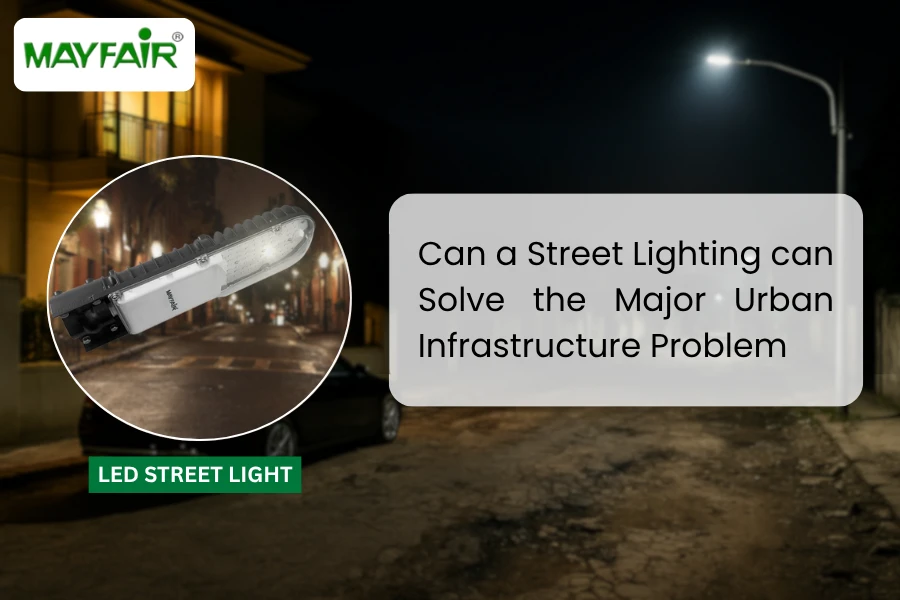

Urban infrastructure in India is a tale of different colours. On one hand, we see rapid real estate development — gated communities, luxury homes, and high-rise apartments. On the other hand, the streets outside these well-structured homes remain dark, disorganized, and unsafe. While roads fall to pieces and drains overflow, one solution often overlooked is LED street lighting, which could spark significant improvements.
The Hidden Power of Street Lighting
Street lighting may seem like just a pole with a bulb. But in reality, it shapes the look and feel of a neighbourhood. A well-placed, well-functioning light does more than just illuminate — it promotes safety, supports community interactions, helps traffic flow, and gives a sense of structure to public spaces.
Why It Matters More Than We Think
In the absence of proper lighting:
- Children return from coaching or evening play in unsafe conditions.
- Residents hesitate to walk or even drive comfortably after dark.
- Dark zones become easy targets for theft or vandalism.
- Entire stretches of road, however newly built, lose value and usability.
All of this combines to degrade the overall quality of urban life, even in otherwise well-developed areas.
How Street Lighting Can Fix Key Urban Challenges
1. Make Streets Safer
Well-lit streets discourage crimes and accidents. They help children, women, and the elderly move about with confidence — whether it’s returning home after a tuition class or simply enjoying an evening walk.
2. Improve Daily Functionality
From navigation to parking, streetlights bring structure to roads. People can identify footpaths, crossings, and curbs. Even emergency services can respond faster in well-lit environments.
3. Boost Community Presence
When public spaces are well-lit, they get used. Families step out. Neighbours connect. This builds a stronger, safer community fabric — something many urban areas are losing.
4. Support Smarter Urban Growth
Streetlights can integrate with smart city tools — sensors, CCTV, even solar panels. Instead of being just poles with bulbs, they can become energy-efficient, multipurpose urban assets.
From Conventional to Smart: The Shift We Need
Most existing lights are outdated. They consume more electricity and break down often, leaving areas in darkness for days. Replacing them with LED or solar-powered street lights is a sustainable, cost-effective solution:
- LED lights last longer and consume less power.
- Solar-powered lights don’t rely on grid electricity and work during power cuts.
- Smart lights adjust brightness based on time or activity, saving more energy.
Can Communities Step In?
Absolutely. In many urban colonies, municipal systems may not keep up — but Resident Welfare Associations (RWAs) can. By collaborating with reliable street light manufacturers, societies can install durable, low-maintenance lighting for their own lanes.
It’s not about replacing the government. It’s about bridging the gap where the system slows down — and ensuring that public safety and functionality are not compromised.
Lighting the Path Forward
Street lighting may not rebuild broken roads or clean clogged drains overnight. But it can reclaim dark, unsafe areas. It can restore movement and trust. And it can turn underutilized public spaces into lively parts of the city again.
So yes — something as simple as proper lighting can help solve urban infrastructure problems. It’s a small step that unlocks a brighter, safer, more functional city for all.
What Do You Think?
Have you ever felt unsafe on a dark road near your home? Do you think your neighborhood needs better lighting? Share your thoughts — because every voice adds brightness to the bigger picture.
























Sign in to leave a comment.