

There is something comforting about holding a warm cup of tea when you are not feeling your best.
A blocked nose, scratchy throat, cough, and general tiredness can make even an ordinary day feel difficult. That is probably why tea has become part of so many home routines when someone catches a cold.
But does tea actually help?
The honest answer is that tea cannot cure a cold. Most common colds are caused by viruses and usually improve on their own. However, a warm drink can be soothing, contribute to your fluid intake, and make you feel more comfortable while you recover.
Why Does Warm Tea Feel So Comforting?
Think about the first sip of a freshly brewed cup of tea.
The warmth can feel pleasant against an irritated throat, particularly when swallowing is uncomfortable. Drinking fluids is also an important part of looking after yourself when you are sick.
The CDC recommends drinking plenty of fluids when managing cold symptoms, and warm beverages are also suggested for people dealing with a sore throat.
Tea is therefore best viewed as a comforting part of your routine, not as medicine.
What Tea Should You Drink During a Cold?
There is no scientifically established "best tea" for treating a cold.
The right choice often comes down to your symptoms, personal preference, and how your body responds to different ingredients.
Ginger Tea
Ginger has been used traditionally in Indian kitchens for generations. Its naturally warm and slightly spicy flavour makes it a popular addition to tea.
Fresh ginger can be added to hot water or combined with black tea for a stronger, more aromatic drink.
It is worth separating tradition from evidence, though. Enjoying ginger tea is reasonable, but that does not mean it can cure a viral infection.
Herbal Tea
Herbal Chai can be another option, particularly for people who want a warm beverage without as much caffeine as traditional black tea.
Chamomile, peppermint, ginger, and other herbs are commonly used in homemade drinks. However, different herbs have different levels of evidence behind them, so "herbal" should not automatically be interpreted as "medicinal."
Masala Chai
For many people in India, the answer is much simpler: make the chai they already enjoy.
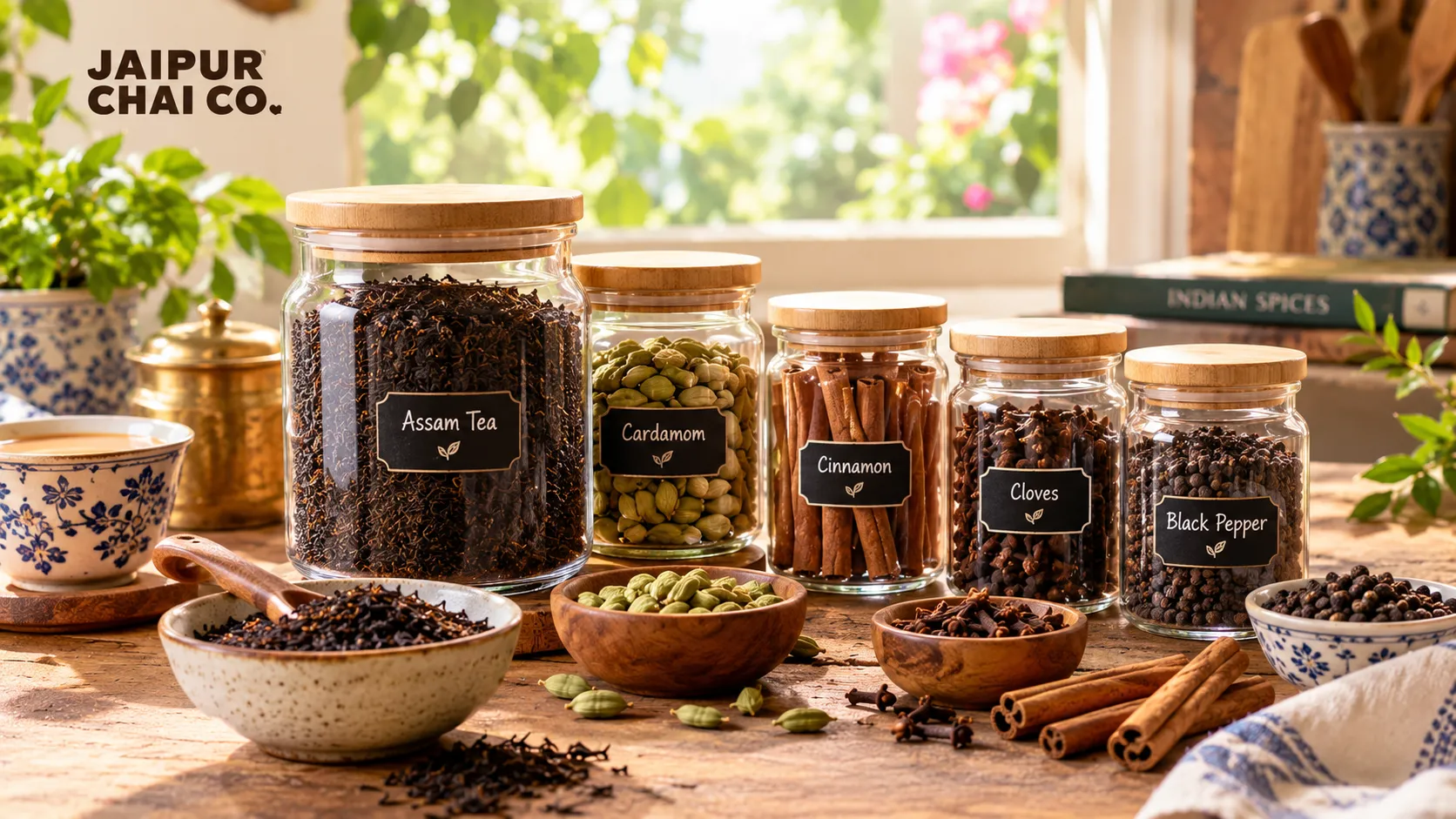
Traditional Indian Tea preparations often combine black tea with ingredients such as cardamom, ginger, cinnamon, or cloves.
A warm cup of masala chai can be enjoyable when you are resting at home. Just remember that the comfort comes from the drink itself and its warmth—not from a claim that the spices can eliminate a cold.
What About Honey in Tea?
Honey is another familiar addition to tea, especially when coughing is irritating your throat.
The CDC notes that honey can help relieve cough in adults and children aged one year and older. However, honey should never be given to children under one year of age.
For adults, a spoonful of honey in warm tea can be a simple way to make the drink more pleasant.
Should You Drink Caffeinated Tea When You're Sick?
You don't necessarily have to avoid caffeinated tea during a cold.
If your usual cup of black tea makes you feel comfortable, there is generally no reason to stop simply because you have a cold. But everyone's response is different.
If strong tea makes you feel uncomfortable, affects your sleep, or you simply prefer something lighter while recovering, choose a milder or caffeine-free drink instead.
When you're unwell, how you feel matters more than following a rigid tea routine.
Does Organic Chai Make a Difference?
You may come across products marketed as Organic Chai or wellness teas that suggest additional health benefits.
It is important to read those claims carefully.
"Organic" describes how agricultural ingredients are produced. It does not mean that the tea can cure a cold.
The same applies when choosing an Authentic Chai. Authenticity is about ingredients, preparation, and cultural tradition—not about turning a beverage into a medical treatment.
What Should You Look for When You Buy Masala Chai?
If masala chai is already part of your daily routine, you may want to Buy Masala Chai that suits your taste rather than choosing a product because of exaggerated health claims.
Check the ingredient list and consider:
- What type of tea is used?
- Are the spices clearly listed?
- Does the flavour profile suit you?
- Is the packaging designed to protect freshness?
- Are there clear brewing instructions?
If you prefer shopping online, the same principle applies when you Buy Masala Chai Online. Look at the actual ingredients instead of relying entirely on marketing language.
A well-made masala chai should first and foremost be enjoyable to drink.
When Tea Isn't Enough
A cup of tea can make you more comfortable, but it should not replace appropriate medical care.
Most common colds get better without specific treatment. However, seek medical advice if you have difficulty breathing, signs of dehydration, symptoms that are not improving, or symptoms that improve and then become worse. If you suspect COVID-19 or flu—particularly if you are at higher risk of severe illness—testing and early medical advice may be appropriate.
And remember: antibiotics do not treat the viruses that cause ordinary colds.
The Simple Answer
So, should you drink tea when you have a cold?
If you enjoy it and it feels good, yes.
Tea can be a warm, comforting way to get fluids and soothe an irritated throat. Ginger, spices, honey, or herbal ingredients can add flavour and make the experience more enjoyable.
But there is no magic cup that makes a cold disappear.
Sometimes the best approach is surprisingly simple: rest, drink enough fluids, choose foods and drinks that feel comfortable, and give your body time to recover.
And if that routine happens to include a steaming cup of chai, there is nothing wrong with enjoying it.






















Sign in to leave a comment.