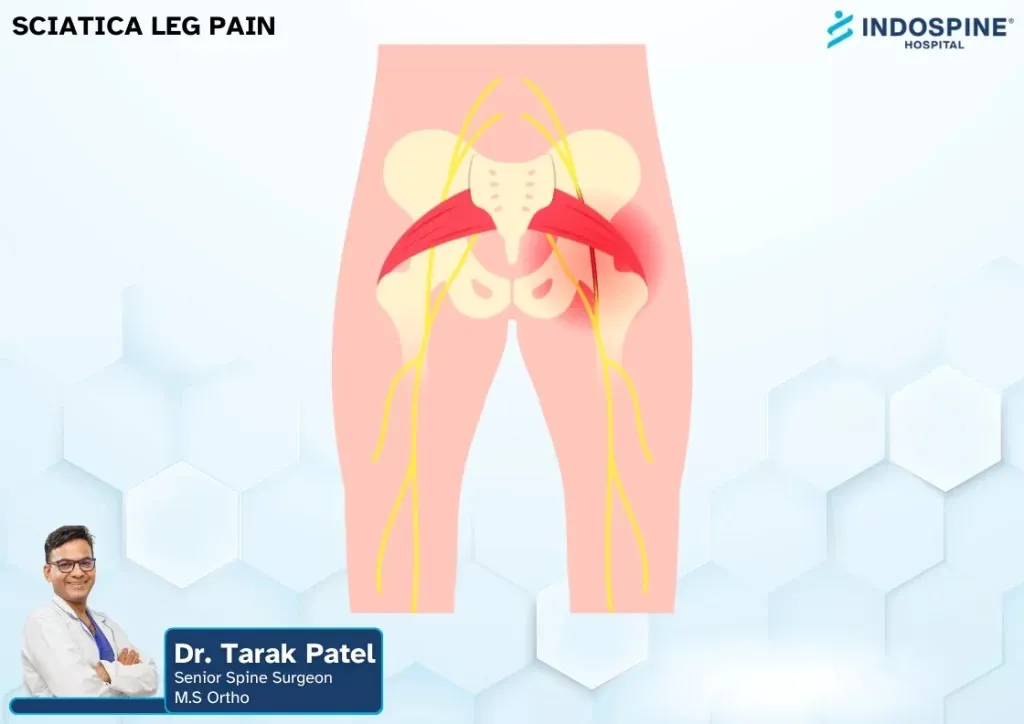

Sciatica can cause pain that starts in the lower back and travels through the buttock and down the leg. It often develops when the sciatic nerve or its nerve roots become irritated or compressed.
The good news is that some risk factors can be modified.
Regular physical activity, good posture, safe lifting techniques, a healthy body weight, and appropriate treatment of back problems can help reduce the risk of recurrent symptoms.
However, not every case of sciatica can be prevented. Conditions such as a herniated disc, spinal stenosis, or age-related changes can occur despite healthy habits.
The goal is to protect your spine, reduce avoidable strain, and recognise symptoms early.
What Is Sciatica and Why Does It Cause Leg Pain?
Sciatica is a symptom rather than a disease itself. It describes pain or other nerve-related symptoms along the path of the sciatic nerve.
The sciatic nerve is formed from nerve roots in the lower spine. It travels through the buttocks and down each leg.
When one of these nerve roots becomes irritated or compressed, symptoms can develop.
Common Causes of Sciatica
A herniated disc is one of the most common causes. A disc between the spinal bones can bulge or rupture and irritate a nearby nerve.
Other causes include:
- Spinal stenosis
- Bone spurs
- Spondylolisthesis
- Certain spinal injuries
- Less commonly, other conditions affecting the spine or nerves
Sciatica may cause sharp, burning, shooting, or electric-like pain.
Some people also experience numbness, tingling, or weakness in the affected leg.
Symptoms commonly affect one side of the body.
Can You Prevent Sciatica Leg Pain?
There is no guaranteed way to prevent every episode of sciatica.
Some causes are related to structural changes in the spine that cannot always be avoided.
However, maintaining good spinal health can reduce certain risk factors and may lower the chance of developing or repeatedly aggravating back and leg symptoms.
1. Stay Physically Active
Regular movement helps maintain strength and mobility.
Walking, swimming, cycling, and other suitable low-impact activities can help keep the body active without placing excessive stress on the spine.
Long periods of inactivity can contribute to muscle weakness and stiffness.
The right exercise program depends on your age, fitness level, existing spinal problems, and symptoms.
If exercise causes increasing leg pain, numbness, or weakness, stop and seek medical advice.
2. Strengthen Your Core and Back
Strong abdominal, back, and hip muscles help support the spine during everyday activities.
Exercises may include:
- Walking
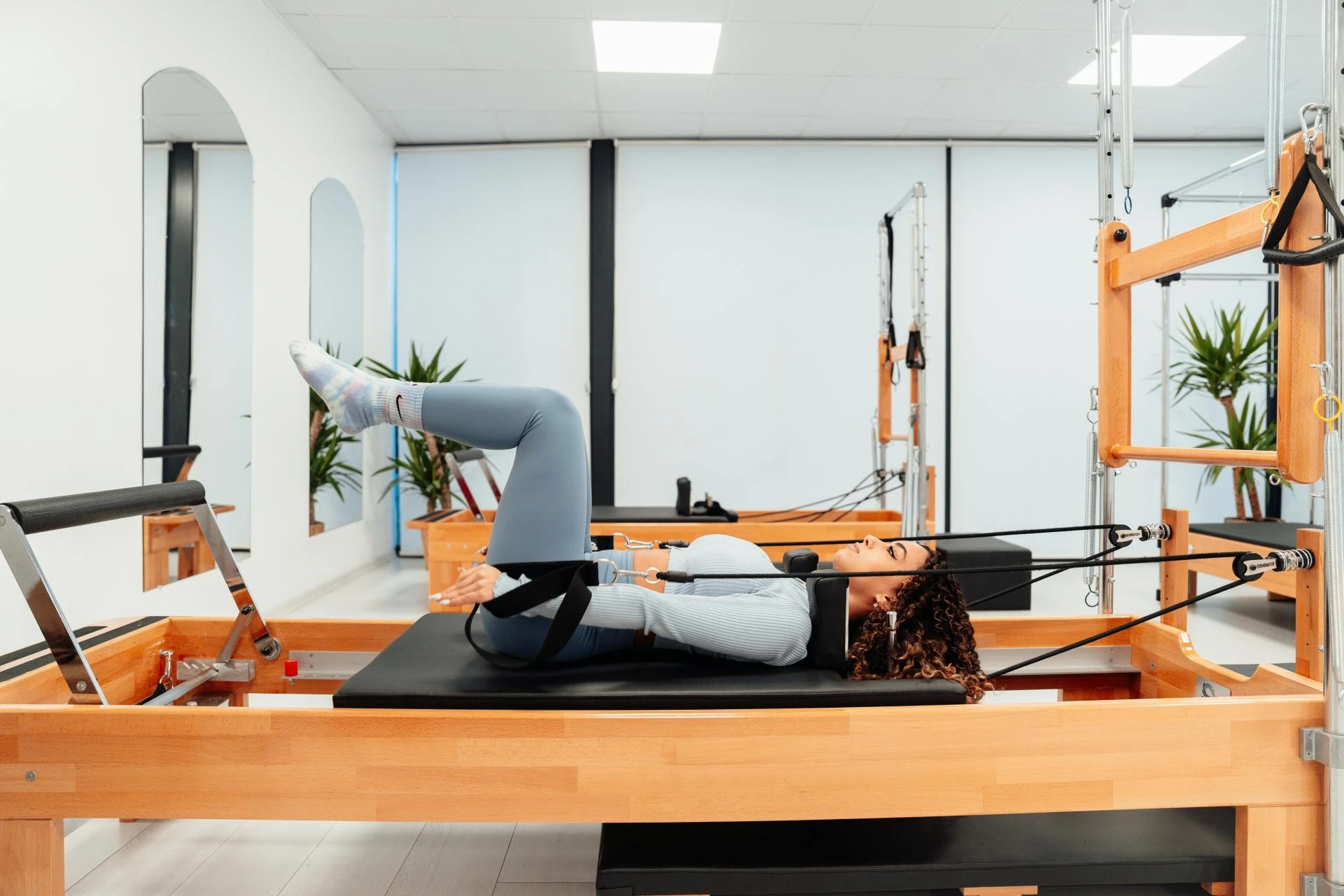
- Core-strengthening exercises
- Gentle stretching
- Pelvic exercises
- Appropriate strength training
Exercises should be performed with proper technique.
If you already have sciatica, a physiotherapist or healthcare professional can help determine which movements are appropriate.
3. Maintain Good Posture
Poor posture does not automatically cause sciatica, but prolonged awkward positioning can increase strain on the back.
When sitting:
- Keep your feet supported.
- Avoid prolonged slouching.
- Keep the screen at a comfortable height.
- Change positions regularly.
- Take short movement breaks.
A good sitting position should feel comfortable rather than rigid.
4. Lift Objects Safely
Improper lifting can place significant stress on the lower back.
When lifting:
- Move close to the object.
- Bend through your hips and knees.
- Keep the object close to your body.
- Lift smoothly.
- Avoid twisting while carrying a heavy object.
For very heavy or awkward objects, ask for assistance rather than attempting to lift them alone.
5. Maintain a Healthy Weight
Excess body weight can increase mechanical stress on the spine and may contribute to back problems.
A balanced diet and regular physical activity can support a healthy weight while also improving overall fitness.
Weight management should be approached gradually and realistically.
Everyday Habits That Can Protect Your Spine
Small changes can make a difference when repeated consistently.
Break Up Long Periods of Sitting
Sitting for hours without movement can contribute to stiffness and discomfort.
If your work requires prolonged sitting, stand up and move around regularly.
A short walking break can be more useful than simply changing from one seated position to another.
Use Proper Sleeping Support
There is no single sleeping position that works for everyone.
Choose a comfortable mattress and pillow arrangement that allows your spine to remain in a comfortable position.
If a particular sleeping position consistently increases your symptoms, try another position.
Avoid Sudden Increases in Physical Activity
Starting intense exercise after a long period of inactivity can place unnecessary stress on muscles and joints.
Increase activity gradually.
Warm up appropriately and focus on technique rather than simply increasing weight or intensity.
Can Exercise Prevent Sciatica?
Exercise can support overall spine health and may reduce some risk factors associated with back pain.
However, exercise cannot guarantee that sciatica will never occur.
Helpful Types of Exercise
Depending on your health and fitness level, useful activities may include:
- Walking
- Swimming
- Core strengthening
- Hip and leg strengthening
- Flexibility exercises
- Moderate aerobic activity
The best program is one that you can perform consistently and safely.
If you have existing nerve symptoms, exercises should be selected based on your condition rather than copied from a generic online routine.
What Should You Avoid If You Are Prone to Sciatica?
Prevention is not only about adding healthy habits. It also involves reducing activities that repeatedly trigger symptoms.
Avoid These Common Mistakes
Avoid:
- Lifting heavy objects with poor technique
- Repeated twisting while lifting
- Staying in one position for many hours
- Suddenly increasing exercise intensity
- Ignoring persistent or worsening neurological symptoms
- Continuing an exercise that clearly aggravates your leg pain
You do not necessarily need to avoid all bending, lifting, or physical activity.
The goal is to use appropriate movement and gradually build strength.
When Should You See a Doctor for Sciatica Leg Pain?
Many episodes of sciatica improve with time and conservative treatment.
However, persistent, severe, or worsening symptoms should be assessed by a healthcare professional.
Seek medical attention if pain continues despite appropriate self-care or repeatedly interferes with walking, sleeping, work, or daily activities.
Red-Flag Symptoms
Urgent medical assessment is needed if back or leg pain is accompanied by symptoms such as:
- New or worsening leg weakness
- Loss of bladder or bowel control
- Numbness around the inner thighs, buttocks, or genital area
- Severe symptoms following significant trauma
- Other rapidly worsening neurological symptoms
These symptoms can indicate serious nerve compression and should not be ignored.
How Is Sciatica Diagnosed?
A healthcare professional usually begins with your medical history and a physical examination.
The examination may assess:
- Muscle strength
- Reflexes
- Sensation
- Walking ability
- Range of movement
- Nerve-related symptoms
Imaging is not always required for uncomplicated sciatica.
An MRI or other investigation may be recommended when symptoms are severe, persistent, associated with neurological problems, or when a specific underlying condition needs to be identified.
What Treatments Are Available for Sciatica?
Treatment depends on the underlying cause and severity of symptoms.
Common approaches may include maintaining appropriate activity, physiotherapy, pain management, and targeted exercises.
For persistent symptoms caused by significant nerve compression, a specialist may consider additional treatments.
When Surgery May Be Considered
Surgery is not required for most people with sciatica.
It may be considered when there is significant nerve compression with persistent symptoms, progressive weakness, or when appropriate non-surgical treatment has not provided sufficient improvement.
The decision depends on the cause, symptoms, examination findings, imaging results, and overall health.
Persistent sciatica or worsening leg pain? Get the cause assessed early.
How to Build a Long-Term Spine Health Routine
Preventing recurrent problems requires consistency rather than a single exercise or treatment.
A Simple Daily Approach
A practical routine can include regular walking, movement breaks during prolonged sitting, appropriate strengthening exercises, safe lifting habits, and maintaining a healthy weight.
Pay attention to recurring symptoms rather than repeatedly pushing through them.
If your work or hobbies involve frequent lifting, prolonged sitting, or repetitive movements, identify which activities trigger discomfort and discuss ways to modify them.
Final Thoughts
Can you prevent sciatica leg pain?
You cannot prevent every case, but you can take meaningful steps to protect your spine and reduce avoidable risk.
Stay active, strengthen your supporting muscles, maintain a healthy weight, use safe lifting techniques, and avoid prolonged inactivity.
Most importantly, don't ignore persistent leg pain, numbness, or weakness.
Early assessment can help identify the underlying cause and determine the right treatment before symptoms become more difficult to manage.
FAQs
Can walking prevent sciatica?
Regular walking can support general fitness, mobility, and spine health. It may also help reduce inactivity-related stiffness. However, walking cannot guarantee prevention of sciatica.
What is the best exercise to prevent sciatica?
There is no single best exercise for everyone. Walking, core strengthening, hip strengthening, and flexibility exercises may be useful when appropriate.
Can sitting too long cause sciatica?
Prolonged sitting may aggravate existing back or nerve symptoms. Taking regular movement breaks and maintaining a comfortable sitting position can help reduce strain.
Can losing weight help prevent sciatica?
Maintaining a healthy weight can reduce mechanical stress on the spine and support overall musculoskeletal health.
When is sciatica considered serious?
Sciatica accompanied by progressive weakness, bladder or bowel problems, or numbness around the inner thighs, buttocks, or genital region requires urgent medical assessment.
























Sign in to leave a comment.