
My uncle Mark believes every piece of clothing deserves a second chance. Old jackets ripped jeans faded backpacks nothing escapes his repair collection. One afternoon he proudly peeled a patch off an ancient denim vest and announced to the family that he was about to perform surgery on fashion itself.
Five minutes later the patch was stuck to the ironing board instead of the jacket.
That disaster inspired an important question many people ask. Can You Reapply a Patch after removing it from clothing
The short answer is yes sometimes. But the success depends heavily on the type of patch backing used in the first place.
Patches are more than just decoration. They repair clothing add personality and allow people to customize outfits without spending a fortune. However not every patch is designed to be removed and reused repeatedly. Understanding different patch backings can save time money and a lot of frustration.
This is where Type Of Patch Backings Elaborations become extremely important.
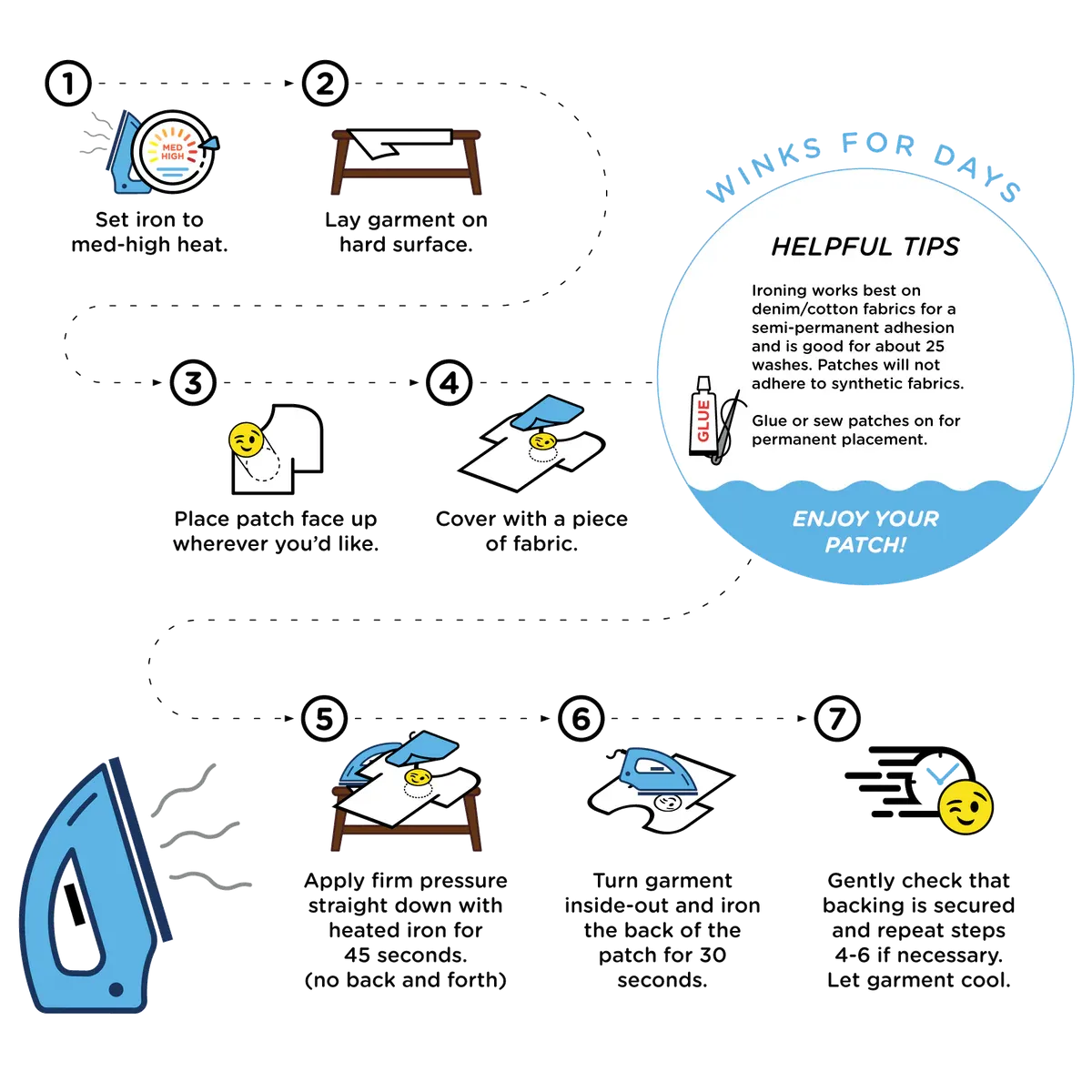
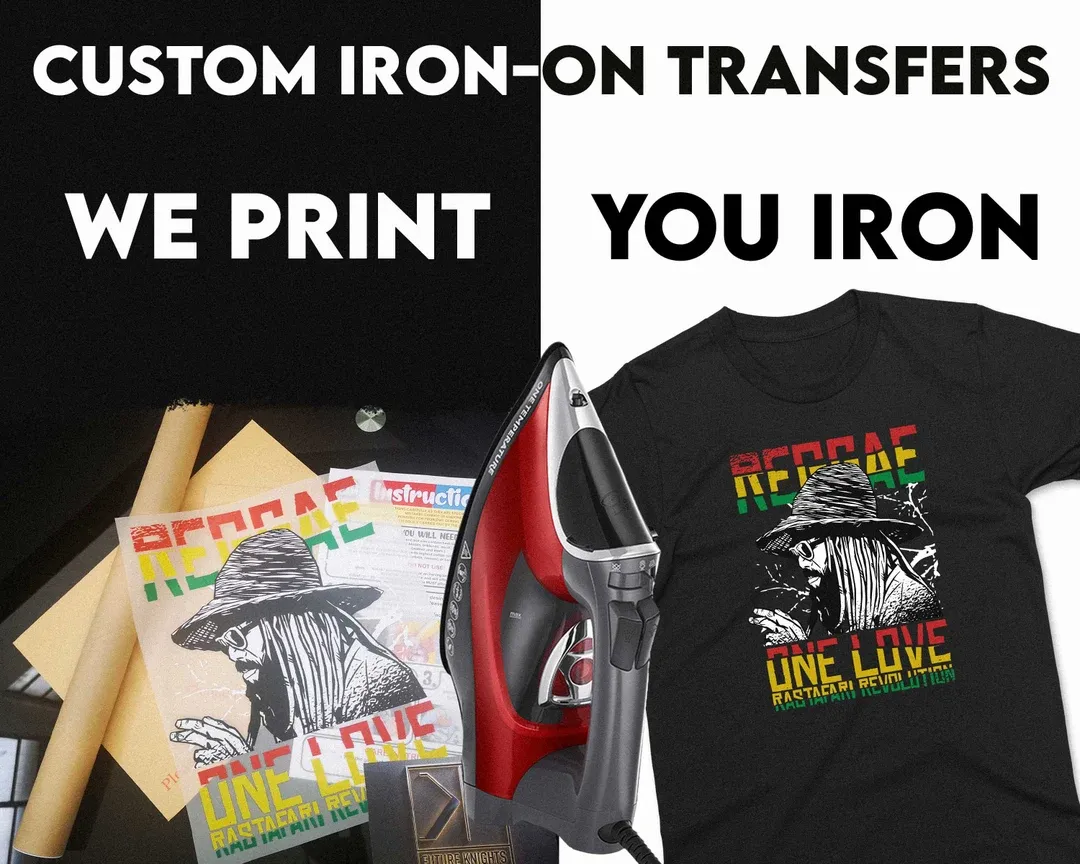
Iron on backing is one of the most common patch types. These patches use heat activated adhesive to bond with fabric. They are easy to apply and perfect for beginners. However once removed the adhesive often weakens which makes reapplying difficult without adding extra fabric glue or sewing around the edges.
Mark learned this lesson quickly when his patch folded itself like a melted pancake after the second ironing attempt.
Sew on backing is much more durable for long term use. Since the patch is stitched directly onto fabric it can usually be removed and reapplied multiple times without losing strength. Many people prefer sew on patches for jackets uniforms and backpacks because they survive repeated washing and heavy use.
Velcro backing is another flexible option. These patches are designed for easy removal and reattachment which makes them popular for military gear sports uniforms and tactical bags. Velcro patches are ideal for people who like changing designs frequently without damaging fabric.
Then there are adhesive backing patches. These work like stickers and are mainly used for temporary decoration. While convenient they are not the best choice for long term durability or reapplication. Once removed the sticky surface often collects dust lint and disappointment equally fast.
Can You Reapply a Patch successfully after removal depends on how carefully the patch was taken off. Using low heat and gently lifting the edges helps protect both fabric and adhesive. If the original glue is damaged fabric adhesive sprays or sewing can help restore the patch.
Fabric type also matters. Denim and cotton usually handle patch removal better than stretchy synthetic fabrics. Delicate materials may tear or lose shape during the process.
Another important factor is patch quality. Cheap patches often lose adhesive quickly while high quality embroidered patches are built to survive longer and perform better during reapplication.
Mark eventually fixed his jacket by sewing the patch instead of ironing it again. The result looked surprisingly stylish although the ironing board still carries a mysterious patch shaped scar to this day.
At the end of the day patches are all about creativity and self expression. Whether you choose iron on sew on Velcro or adhesive styles understanding Type Of Patch Backings Elaborations helps you make smarter choices and extend the life of your favorite clothing pieces.
And if you ever attempt patch surgery at home maybe keep the ironing board safely out of danger.























Sign in to leave a comment.