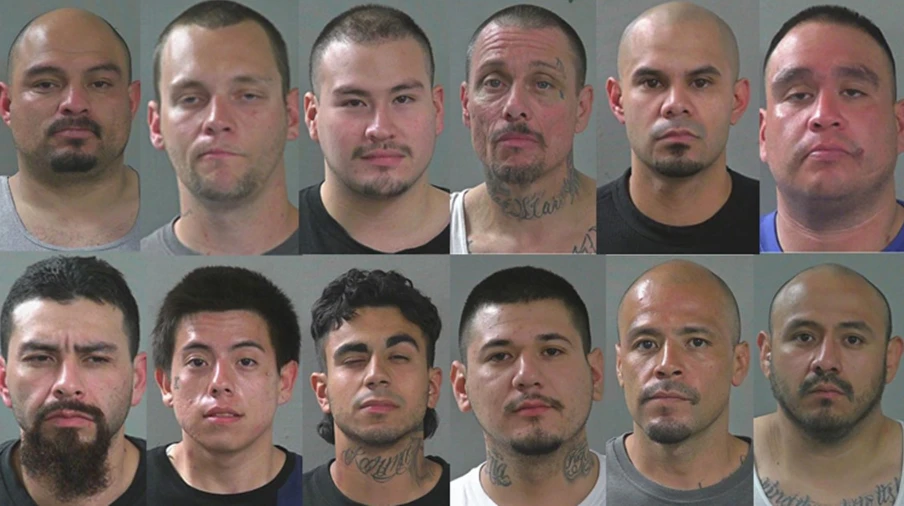

The Canyon County Correctional Facility serves as a key institution in Idaho’s criminal justice system. It is responsible for detaining individuals awaiting trial, sentencing, or serving short-term sentences. The facility operates under strict security measures and inmate management protocols to ensure the safety of both staff and detainees.
Facility Overview
Canyon County Correctional Facility is designed to house a diverse inmate population, including pre-trial detainees and sentenced offenders. Its infrastructure supports different security levels to prevent conflicts and ensure a safe environment for inmates and correctional officers. The facility has a structured layout that accommodates general population units, high-security areas, and specialized housing for medical or mental health needs.
Inmate Housing System
Housing arrangements within the facility are based on an inmate's security classification, behavioral assessment, and medical requirements. The classification process determines whether an inmate will be placed in a general population unit or a specialized housing area.
General Population Housing
The majority of inmates reside in general population units, where they have access to recreational areas, educational programs, and vocational training. These units promote structured routines and allow inmates to engage in work assignments within the facility.
Administrative Segregation
Inmates who pose security risks or engage in disruptive behavior may be placed in administrative segregation. This unit restricts movement and limits interactions to prevent conflicts. Placement in segregation is periodically reviewed to determine if the inmate can be reintegrated into the general population.
Medical and Mental Health Units
Inmates requiring specialized care are housed in medical or mental health units. These units provide access to healthcare professionals who manage chronic illnesses, mental health disorders, and emergency medical needs. The facility ensures that all inmates receive necessary medical attention in accordance with legal and ethical standards.
Protective Custody
Inmates who are at risk of harm from others, such as former law enforcement officers or those convicted of sensitive crimes, are placed in protective custody. This housing arrangement minimizes contact with the general population and provides additional security measures to ensure their safety.
Inmate Classification and Security Levels
Upon arrival, each inmate undergoes an assessment to determine their security classification. The classification system considers factors such as criminal history, behavioral tendencies, gang affiliations, and risk levels. Inmates are then assigned to one of the following security categories:
- Minimum Security: Inmates with non-violent offenses who pose a low risk of escape or misconduct.
- Medium Security: Inmates with a moderate risk level, often including repeat offenders or those with a history of disciplinary infractions.
- Maximum Security: High-risk inmates, including violent offenders and individuals with a history of escape attempts.
The classification system ensures that inmates are housed in appropriate environments that minimize security threats and enhance facility management.
Security Measures in Place
The facility employs a comprehensive security framework that includes electronic surveillance, physical barriers, and trained personnel. CCTV cameras monitor all common areas, while controlled access points prevent unauthorized movement within the facility. Correctional officers conduct routine inspections to detect contraband and ensure compliance with facility regulations.
The security team undergoes extensive training in conflict resolution, crisis management, and emergency response. Officers are equipped with non-lethal tools to handle disturbances and maintain order. The facility also implements strict visitation policies to prevent smuggling and unauthorized communications.
For updated information about housed individuals, booking details, and release dates, residents can refer to the Canyon County Jail List for accurate records.
Inmate Rehabilitation and Programs
While security is a top priority, the facility also emphasizes rehabilitation and reintegration. Inmates have access to educational programs, vocational training, and substance abuse counseling. These initiatives aim to reduce recidivism by providing inmates with skills and knowledge to support a law-abiding lifestyle upon release.
Educational programs include GED preparation, literacy courses, and computer skills training. Vocational programs focus on job training in areas such as carpentry, culinary arts, and automotive repair. Inmates with substance abuse issues can participate in counseling sessions and group therapy programs designed to support recovery.
Inmate Rights and Legal Access
Despite being in a correctional facility, inmates retain certain legal rights. They have access to legal representation and the ability to communicate with attorneys. The facility provides law library resources and scheduled visitation hours for family and legal counsel. Medical care is a fundamental right, and all inmates receive healthcare services as needed.
Visitation policies ensure that inmates maintain connections with family members while adhering to strict security guidelines. Visits are monitored, and visitors must undergo background checks before being granted access. The facility also allows for controlled phone calls and correspondence under specific regulations.
























Sign in to leave a comment.