
It's a Tuesday evening. You've just finished grabbing groceries at the Fred Meyer off TV Highway, your hands are full, and you reach for your car door — only to realize your keys are sitting on the passenger seat, in plain view, completely out of reach. If you've lived in Aloha for any length of time, you already know this isn't a rare event. Between rushed mornings, rainy-season distractions, and the sheer number of errands packed into a Washington County day, a car lockout in Aloha, OR is one of those things that seems to happen to everyone eventually — usually at the worst possible moment.
What actually happens once you make that call, though, is something most people never think about until they're standing in a parking lot wondering what comes next. So let's walk through it.
Why Car Lockouts Happen So Often Around Here
Before getting into the process itself, it's worth understanding why this is such a common call in this particular area. Aloha sits in a strange in-between zone — not quite Beaverton, not quite Hillsboro — with a mix of older residential streets, newer apartment complexes near 185th, and a lot of shopping centers along Farmington and TV Highway. That combination means people are constantly hopping in and out of their cars: dropping kids off, running into a store for five minutes, loading groceries, switching between work and personal vehicles.
Add in Oregon's wet fall and winter months, when people are juggling umbrellas, bags, and kids while trying to get out of the rain as fast as possible, and it's easy to see why keys get left behind. Newer cars with keyless fobs don't help either — plenty of drivers assume the door will just unlock automatically, only to find out the fob is dead or still sitting on the kitchen counter.
Step One: The Call
The process almost always starts the same way — a phone call. When someone reaches out for 24/7 lockout assistance, the first few questions are usually about location and vehicle type. Are you in a store parking lot, a driveway, or somewhere along a busier stretch of road where safety might be a factor? Is it a sedan, an SUV, a truck with a different locking mechanism? These details matter because they determine which tools and techniques will actually work without damaging the vehicle.
This is also the point where response time gets discussed. In Aloha, because of how spread out the area is, a mobile locksmith typically gives a realistic window rather than an exact number — usually somewhere in the 20 to 40 minute range depending on traffic on TV Highway or Baseline Road at that hour.
Step Two: Getting to You
Unlike a traditional shop where you'd need to have your car towed, car lockout services built around mobile response come directly to wherever the vehicle is stuck. This is the part people appreciate most, especially if it's late at night, raining, or they're dealing with kids or groceries that can't sit in a hot or cold car for long. A locksmith showing up on-site means the problem gets solved right there in the parking lot, driveway, or roadside pull-off — no waiting for a flatbed, no second trip.
Step Three: Assessing the Vehicle
Once the locksmith arrives, there's a quick visual check of the vehicle before anything else happens. Older cars with manual locks are handled differently than newer models with electronic fobs or push-button start systems. This step matters because using the wrong technique on the wrong vehicle can cause real damage — bent frames, scratched trim, or a jammed lock that turns a five-minute fix into a much bigger, more expensive problem.
A car lockout locksmith who's done this enough times will usually know within seconds what kind of approach the vehicle needs, but they'll still take a moment to confirm before touching the door.
Step Four: Gaining Entry Without Damage
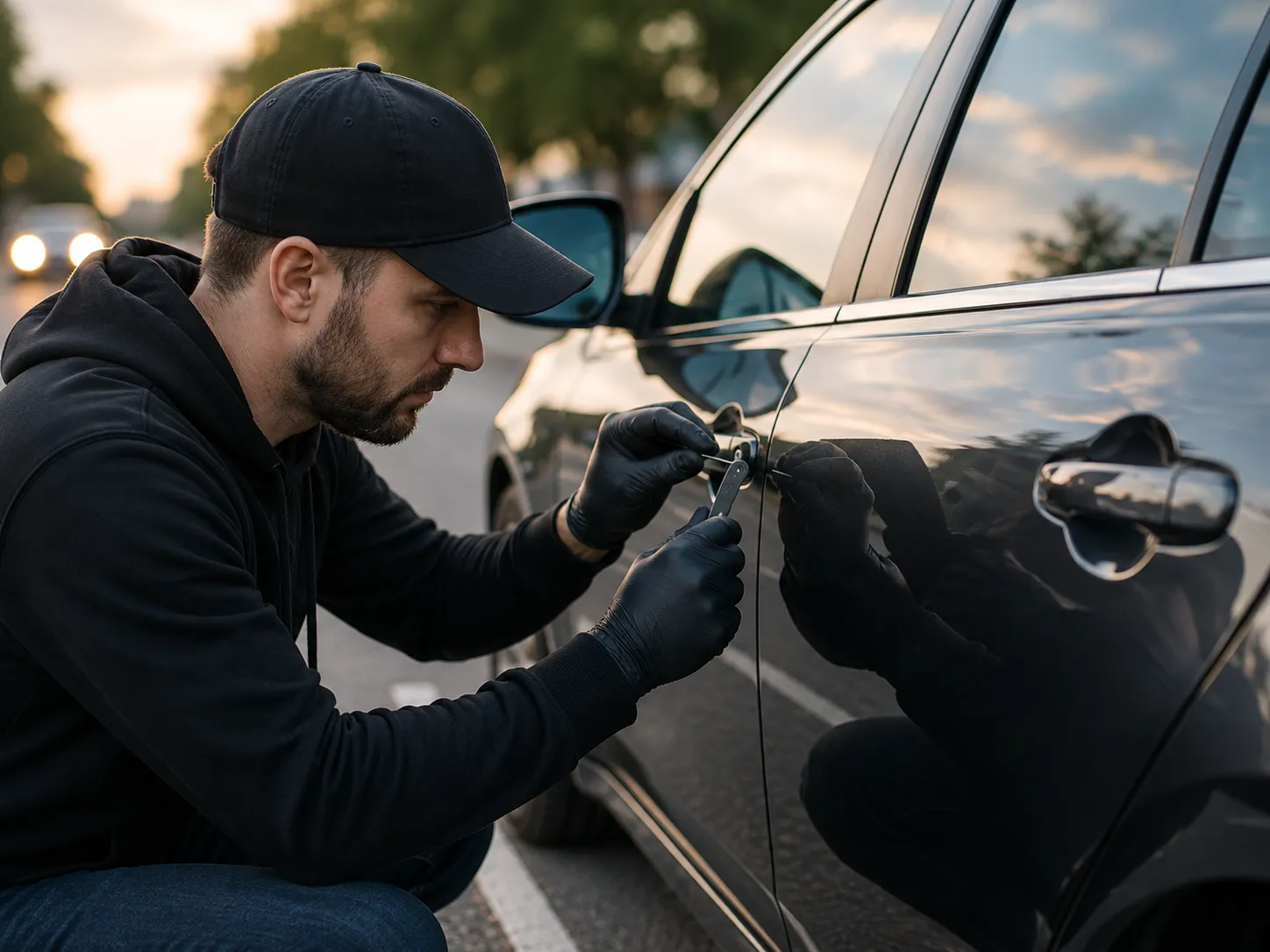
This is the part most people are curious about — how does someone actually get into a locked car without breaking anything? The honest answer is that it depends entirely on the vehicle, but the goal across the board is always the same: no dents, no scratches, no compromised locking mechanism. Specialized tools are used to access the internal locking system or unlock button, working around the door seal rather than forcing it. It's a slower, more deliberate process than what people picture from movies, and for good reason — rushing it is exactly how damage happens.
For most standard vehicles, this step takes just a few minutes. Certain newer models with more complex electronic systems can take a little longer, but the priority never shifts from speed to being careful with the car itself.
Step Five: Confirming Everything Works
Once the door opens, a quick check follows to make sure the lock itself wasn't damaged during entry and that everything — the lock, the handle, the seal — is functioning the way it should. This step gets skipped by less experienced techs, but it's a basic part of the job for certified locksmiths who want to make sure the same lockout doesn't happen again five minutes later because of a loose mechanism.
Step Six: A Few Honest Words About Prevention
Most locksmiths, after a lockout, will mention a few small habits that cut down on repeat calls — keeping a spare key with a trusted friend or family member nearby, checking fob batteries every few months, or simply developing a habit of pocketing keys before closing the door rather than setting them down inside the car. None of this is a sales pitch; it's just the kind of practical advice that comes from seeing the same situation play out over and over across the same neighborhoods.
What This Looks Like in Aloha Specifically
Because of how the area is laid out — residential streets tucked behind busy commercial corridors, apartment complexes with shared parking, and a fair number of commuters heading toward Hillsboro's tech campuses — lockouts here tend to happen either very early in the morning or right around the evening rush. Knowing the local traffic patterns and neighborhood layouts actually makes a real difference in response time, which is part of why working with someone familiar with Aloha specifically, rather than a call center dispatching from somewhere across the metro, tends to get people back on the road faster.
Final Thoughts
A car lockout is never convenient, but it doesn't have to turn into a stressful, drawn-out ordeal either. Knowing what the process actually looks like — the call, the arrival, the careful entry, the final check — takes a lot of the anxiety out of a situation that already feels frustrating enough. If you ever find yourself standing outside your car in Aloha wondering what happens next, at least now you know.
Before your next trip out, it's worth taking a look at real reviews and ratings from other Aloha drivers who've been in the same spot — it's a good way to know who to call before you actually need them.
This guide was put together by the team at Ike's Security and Lock LLC, based right here in the Hillsboro and Aloha area.


























Sign in to leave a comment.