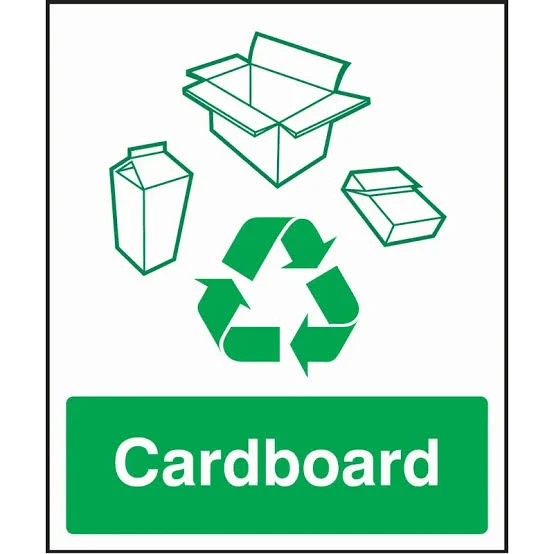

From packaging items to helping with moves and delivery, cardboard boxes are an essential component of modern life. But what happens once we use a cardboard box? Understanding the life cycle of cardboard box recycling helps us take into account its effect on the environment and how we can be more sustainable.
Start With Cardboard Box Disposal
The journey of a recycled cardboard box begins with its disposal. Many times, improper disposal, such as dumping cardboard with general waste, results in landfill accumulation, which fuels environmental problems. Placing these cartons in recycling containers guarantees that they can once more be part of the recycling process.
Disposal advice:
- Eliminate any non-recyclable items like labels and plastic tape.
- Flatten boxes to free up recycling bin space.
- To prevent contamination and continue with the recycling process, food or liquids should not be spilled on cardboard.
By starting with these important steps, you can make sure that you are recycling these boxes appropriately.
Transportation and composition
Proper disposal of cardboard allows recycling facilities to collect these items. For companies, these services could involve bulk waste collection, drop-off sites, or curbside pickup. After collection, recycling plants receive the cardboard for further processing.
Sorting and Preparation at Recycling Facilities
Recycling facilities gather and prepare cardboard for processing. This entails dividing various kinds of paper goods, including:
- Corrugated cardboard : used for shipping boxes
- Boxboard : used for cereal or shoe boxes
After sorting, the cardboard is shredded and mixed with water to create slurry. This stage breaks down the fibers, thereby facilitating the repurposing of the material.
Pulping and Contaminant Removal
The slurry passes through a pulping machine, where it breaks down into its basic fibers. Filtered out at this phase are pollutants like ink, glue, and other non-paper elements. To eliminate these contaminants, recycling facilities frequently employ screening methods and centrifugal forces.
This stage is absolutely important since cleaner pulp results in better recycled paper products.
Repurposing the Pulp into New Products
We then work on the cleansed pulp to create fresh paper-based goods:
- New corrugated boxes
- Paperboard for packaging
- Tissues and paper towels
Manufacturers can cut the demand for virgin materials by incorporating these resources back into the manufacturing process, thereby preserving natural resources such as water and trees. In order to save resources, cardboard box recycling is essential.
Advantages of Cardboard Box Recycling
There are lots of financial and environmental benefits to recycling cardboard boxes. These consist of:
1. Resource conservation
- By lowering the need for fresh resources, recycling cardboard helps to protect forests and wildlife.
2. Energy optimization
- Making recycled paper goods uses less energy than manufacturing from virgin materials, which reduces greenhouse gas emissions.
3. Reduce landfill
- By diverting cardboard from landfills, waste generation is reduced, and methane emissions, a strong greenhouse gas emitted by breaking down organic materials, are lowered.
4. Economic Prospects
- Recycling programs generate employment in the sectors of collecting, transportation, and processing.
As a result, cardboard box recycling promotes both economic development and environmental preservation.
Difficulties in Cardboard Re-engineering
Although recycling cardboard boxes is a great habit, some difficulties still exist:
1. Contamination
Contaminated cardboard, such as pizza boxes saturated in grease, often ends up in landfills.
2. Overproduction and Waste
Rising e-commerce has driven a demand for packaging materials, which has increased cardboard waste levels. Recycling facilities must keep up with this increasing demand if they are to remain efficient.
3. Education and Awareness
Many consumers lack knowledge of correct recycling techniques, which results in ineffective recycling operations. Reduction of contamination and increased involvement depend on public awareness initiatives.
The Future of Cardboard Box Recycling
Waste management strategies and recycling technology's innovations will help shape cardboard recycling going forward. Emerging trends include:
- Enhanced sorting systems using artificial intelligence,improving recycling accuracy.
- Companies adopting zero-waste projects to reduce packaging waste.
- Models of the circular economy, in which resources like cardboard are constantly recycled rather than thrown away.
Governments and industries are realising the significance of sustainable packaging solutions. By investing in recycling systems and education, they seek to achieve higher recycling rates and reduce ecological effect.
Your Responsibilities in the Recycling Process
The success of cardboard box recycling depends a lot on consumers. Those who support companies that prioritize sustainable packaging and practice responsible disposal will help create a better environment.
Remember to adhere to best standards, including removing non-recyclable components and making sure the material is dry and clean when recycling cardboard boxes. Through these small actions, one can significantly cut waste and preserve resources.
Conclusion
A sustainable future depends on cardboard box recycling, which is more than just a waste-management tactic. Understanding the life cycle of recycled cardboard and engaging in environmentally friendly behaviors helps us all to lower our environmental impact and advance in a circular economy.




























Sign in to leave a comment.