

The Real Job Question for Engineering Students
Every year, thousands of students graduate in Electrical & Electronics Engineering (EEE) , Electronics & Instrumentation Engineering (EIE) , Electronics & Communication Engineering (ECE) & Mechanical Engineering, but the same question comes up again and again:
“Where are the jobs?”
“Should I go for IT or stay in my core field?”
The truth is, the job market has changed, not disappeared.
Industries still need engineers, but they now want skilled engineers, those who understand automation, control systems, and modern tools like PLC, HMI, SCADA, and VFD.
This blog post lays out the actual job market in straightforward ways. It covers career paths for engineers in India and other countries too. It also points out why picking up automation skills matters so much for students in core engineering fields to get ahead.
The Shift: Why Many Engineers Move to IT
The shift comes down to a few key things. One big factor stands out right away. IT jobs show up more easily during campus recruitment drives.
- Easier availability of IT jobs through campus placements.
- Higher entry-level salaries in software companies.
- Lack of awareness about automation and industrial jobs.
- Fewer colleges focusing on hands-on technical training.
But what many students don’t realize is that industrial automation is a recession-free, high-growth career, and those with the right technical skills earn equally well or better than IT engineers, especially after a few years of experience
Job Market Overview (India & Abroad)
India
India keeps turning into this big spot for global manufacturing thanks to pushes like Make in India and Digital India. Companies in automation such as Siemens, ABB, Rockwell, Schneider, Honeywell, Mitsubishi, and Omron are growing their operations there:
- PLC & SCADA programming
- Maintenance and commissioning
- Process control and instrumentation
- Plant automation and data logging
Salary Range (India):
- Freshers: ₹3 – 6 L per annum
- Mid-level engineers: As per experience
- Senior automation specialists: As per experience.
Automation jobs are practically recession-proof, because every industry depends on automated machines.
Abroad
Automation engineers see strong demand in places like USA, UK, Gulf countries, Europe, Canada, and Australia. That comes from a real shortage of trained technicians out there.
Experienced ones can earn twenty five to seventy lakhs per year. It all depends on the project and where you end up working. Global employers usually look for candidates who know PLC, HMI, SCADA, and Drives. Hands-on project experience makes a big difference too.
Why PLC, HMI, SCADA, and VFD Skills Are Game-Changers
People often ask how these skills bring real value to the work. Let us break it down for each one step by step.
1. PLC (Programmable Logic Controller)
- Functions as the central processing unit of the entire machine operation.
- Used to automate repetitive processes such as packaging, bottling, assembly lines, etc.
- Must have knowledge of ladder logic programming (Siemens TIA Portal, Allen Bradley, Schneider & Delta etc.)
- Careers include: PLC Programmer, Control Engineer, Commissioning Engineer.
2. HMI (Human Machine Interface)
- Is the touchscreen or control panel that operators use on a daily basis.
- Allows operators to see the entire continuous process and control/set the parameters.
- Common tools in this area include WinCC, Wonderware InTouch, and FactoryTalk View.
- Careers include: HMI Developer, Control Room Engineer.
3. SCADA (Supervisory Control and Data Acquisition)
- Used in large scale industries to allow monitoring of big plants remotely.
- Data gathered from sensors is displayed in control rooms.
- Common tools include: Wonderware, Citect, iFix, Ignition.
- Careers include like SCADA Engineer, Process Automation Specialist.
4. VFD stands for Variable Frequency Drive.
A motor control system that not only varies and controls the speed of a motor, but reduces power consumption as well.
You often find these devices in places like elevators, pumps, fans, and conveyors where precise control matters.
For electrical and mechanical engineers, learning to connect and program VFDs turns out to be really essential. It covers a lot of practical needs in the field.
Jobs that involve this kind of work include Drive Specialist, Maintenance Engineer, and HVAC Control Engineer.
Who Should Learn Automation?
Automation is not only for electrical engineers — it benefits multiple branches:
EEE
Direct link to electrical systems, power control, and motor operations.
PLC Programmer, Control Engineer, Maintenance Engineer
EIE
Focuses on sensors, instruments, and process control — fits naturally into automation.
Instrumentation Engineer, SCADA Engineer
ECE
Knowledge of circuits and communication helps in industrial networks, IoT, and control panels.
Automation Engineer, Control Engineer, Industry 4.0
Mechanical
Machines, motors, and production lines all run through PLCs & Drives.
Mechatronics Engineer, Maintenance Engineer, HVAC Automation Engineer
This means automation training creates a bridge between mechanical systems and electrical control — the foundation of modern industry.
How to Build a Career in Industrial Automation
How to Establish a Career in Industrial Automation
Here is a stepwise plan:
Step 1: Learn the Basics
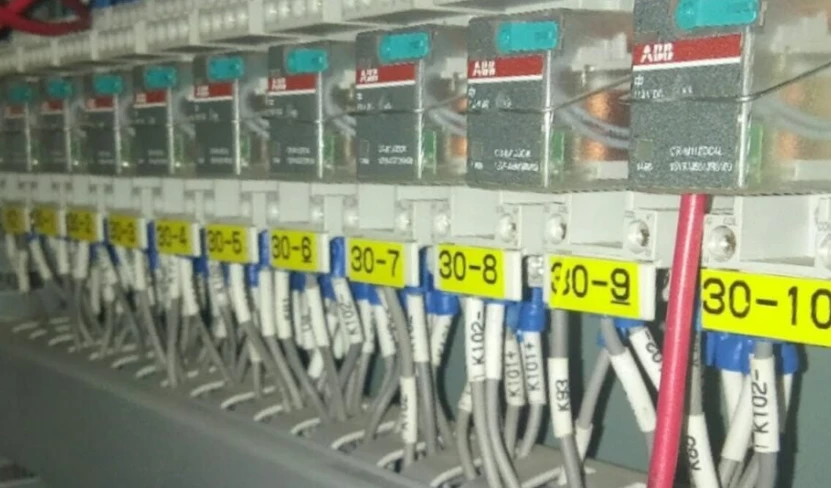
Understand sensors, motors, relays, switch, and electrical wiring. All automation is based on these.
Step 2: Get Hands On with PLCs & Drives
Take practical training that allows you to connect, program, and troubleshoot actual PLCs (Siemens, Schneider, Allen Bradley, Delta, Mitsubishi). Do not just focus on theory – hands-on experience is what matters the most.
Step 3: Learn PLC, SCADA & HMI
Learn to design an interface to visualize live data from machines. Create small projects such as controlling a motor or the movement of a conveyor belt using SCADA.
Step 4: Understand VFDs & Panel Wiring
Learn how to control the speed, torque, and direction of motors. Combine your VFD with a PLC program, and you’ll have complete automation.
Step 5: Work on Real Projects & Internships
Every industry values practical exposure. Join internships or contribute to small industrial projects in automation, water plants, or manufacturing units.
Step 6: Build a Resume & Portfolio
Make sure to add your project experience, examples of PLC programming and even certificates in automation to your resume. Also make sure to mention the tools used (TIA Portal, Wonderware, iFix, etc).
Step 7: Apply for the Job
- When searching for jobs, look for positions such as:
- PLC Programmer / Automation Engineer,
- Control Systems Engineer,
- Maintenance Engineer,
- Instrumentation Engineer,
- Process Automation Specialist,
- Drive Commissioning Engineer.
- Here’s a step-by-step roadmap:
Automation engineers are required in Power plants, Cement plants, Steel plants, Sugar plants, oil & gas, food processing, pharmaceuticals, packaging, automobile, and building automation sectors.
How Automation Helps EEE, EIE, ECE & Mechanical Students Stand Out
Most graduates leave college with theoretical knowledge — but companies hire practically skilled engineers.
When you learn PLC + HMI + SCADA + VFD, you immediately:
- Become job-ready — you can work in real-world plants from day one.
- Increase your salary potential — skilled automation engineers are paid better.
- Get placement in India and abroad — these skills are universal.
- Work across domains — electrical, mechanical, electronics, and even IT-enabled industries.
- Gain long-term stability — machines will always need engineers to maintain and upgrade them.
How Colleges and Training Institutes Help
Most colleges teach the theory but not the practical side of automation.
That’s why specialised institutes Electromation Technologies plays a big role by offering:
- 2-month practical training in PLC, HMI, SCADA, VFD.
- Hands-on labs with real hardware.
- Industry-based practical projects.
- Job-oriented guidance and placement support.
This type of training adds meaning and support to student experiences that allow them to transition from college to industry with confidence.
Future Scope of Automation Engineers
Automation is not just the present — it’s the future of all industries.
In the next ten years, we will see huge growth in:
- Smart factories & Industry 4.0
- Electric vehicle manufacturing & charging stations
- Renewable energy & solar automation
- Building management & home automation
- IoT & Artificial Intelligence in industry
- Engineers who combine core knowledge + automation skills will have the best opportunities worldwide.
Key Takeaways for Students & Parents
1.Don’t panic if you’re not in IT. Core fields are strong — just need the right skills.
2.Learn automation. PLC, HMI, SCADA, VFD make you industry-ready.
3.Focus on practical learning. Employers want hands-on engineers, not only degree holders.
4.Start early. Learn these tools during 2nd or 3rd year itself.
5.Keep learning. The more systems you know, the higher your value.
6.Explore abroad. Gulf and European industries always need automation engineers.
7.Think long term. Industrial automation will never go out of demand — it’s a recession-free career.
Electrical, Electronics, Instrumentation and Mechanical engineers have built the backbone of every modern industry.Today, by learning automation tools like PLC, HMI, SCADA, and VFD, they can enter high-paying, future-proof jobs in India and abroad.
So instead of worrying about switching to IT, focus on becoming a skilled automation engineer, the kind of professional every factory, power plant, and smart city project is looking for.Get certified PLC & SCADA Training with Expert Trainers
Your degree gives you the foundation.
Your automation skills will give you the career.
If you’re a student or parent looking to guide your child in the right direction – remember this simple truth:
“Every machine needs control – and every control needs an engineer.”
Automation engineers are the bridge between machines and technology.
Start learning, stay consistent, and success will follow.


























Sign in to leave a comment.