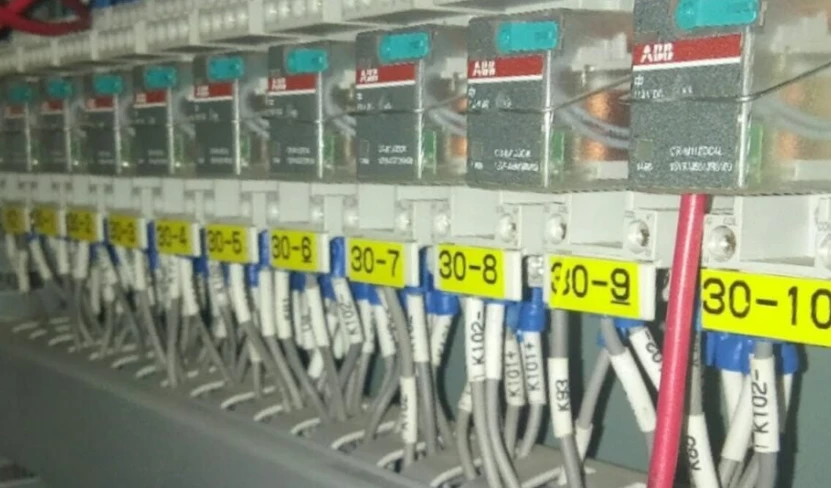

The electric power industry is changing and the design of substations is changing right along with it. Driven by more strict reliability requirements, as well as significant technology developments, a new concept for the substation of the future has emerged.
The substation of the future will be based on an object-oriented modular approach that will cover the design of the substation primary system, the IEDs providing protection, control, measurements, recording and other functions, as well as their integration in substation automation systems with advanced functionality. It should include solutions for a technically compliant system design that meets new and emerging grid connection requirements and solutions for integrating wind farms or other distributed energy resources in the power grid. Building the Substation of the Future, These solutions include but are not limited to, HVAC or HVDC (High Voltage Alternating Current or High Voltage Direct Current) connections; SVCs (Static VAR Compensator) or STATCOMs (an SVC based on Gate-Turn-Off Thyristor technology); switchgear and transformers.
Upgrades of existing substations and construction of new substations in urban areas with limited space availability will also result in an increase in the number of gas-insulated substations (GIS) built worldwide.
Considering the fact that more and more substations will be installed in locations that may have extreme climate conditions, both the primary and secondary devices must be able to operate correctly under all weather conditions.
The publication of IEC 61850, the new international standard for substation communications, is an extremely important step in the definition of the “copper-less” substation of the future and will have the greatest impact on future substation design. Distributed substation applications based on high-speed peer-to-peer communications of change of state of breakers, protection and control functional elements or current and voltage sampled values will lead to very efficient and at the same time functionally superior substation solutions.
IEC 61850 defines not only the object models of primary substation equipment, IEDs and functions in a substation automation system but also the relationship and communications between system components based on the different system requirements. It is very important to understand that just because one can model a function in a device or substation automation system does not mean that the standard attempts to standardize the functions. There are so many different algorithms and characteristics used for different functions (for example a distance protection element), as well as preferences and options, that this will be an extremely difficult task. Instead, the model represents the communications visible attributes and behavior of the device. Building the Substation of the Future, This is sufficient for the development and implementation of engineering, testing, analysis, integration and other tools that will result in the introduction of real power system engineering automation.
It is important also to remember that the changing technology introduces new methods for the interface between the instrument transformers or sensors and the substation IEDs. They need to be able to interface with conventional and non-conventional sensors to allow the implementation of the system in different substation environments.
A simplified diagram with the communications architecture of an IEC 61850 process and substation bus-based substation automation system.

























Sign in to leave a comment.