

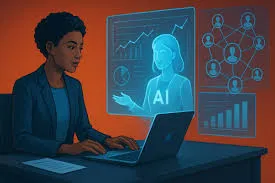
Choosing a career can be challenging for students because they are often expected to make important decisions before they have enough exposure to different industries, roles, and professional skills. Academic interests may provide a starting point, but they do not always reveal which careers are suitable for a student's abilities, personality, or long-term goals. This is where technology can provide additional support. A career coach AI can analyze information such as interests, skills, educational background, and career preferences to provide personalized suggestions and help students approach career planning more systematically.

Rather than replacing teachers, counselors, parents, or professional advisors, AI-based career tools can act as an additional resource. They can help students organize their thoughts, compare career possibilities, identify skill requirements, and understand what steps may be useful for reaching a particular career goal.
Why Career Planning Is Difficult for Students
Students have access to more career choices than ever before. Traditional career paths are also changing as technology creates new roles and modifies existing ones. A student interested in technology, for example, may consider software development, cybersecurity, data analysis, artificial intelligence, cloud computing, product management, or several other options.
The challenge is not simply finding a career. It is determining whether a particular career matches the student's current capabilities and interests.
Students may also face common challenges such as:
- Limited knowledge about emerging career opportunities
- Difficulty connecting academic subjects with professional roles
- Uncertainty about which skills employers expect
- Pressure from family, peers, or social expectations
- Lack of practical experience with different industries
AI-powered career tools can help organize this information and make career exploration more structured.
How Career Coach AI Supports Student Career Planning
A career-focused AI system can evaluate information provided by students and generate recommendations based on patterns in their interests, skills, and goals. The quality of those recommendations depends heavily on the information provided and the design of the platform, but the technology can still be useful as a starting point.
1. Identifying Career Interests
Students may know what subjects they enjoy without knowing what careers connect to those interests. An AI tool can help translate broad interests into potential professional directions.
For example, a student who enjoys mathematics, problem-solving, and computers could investigate careers in data science, software engineering, financial analysis, or technology-related fields.
The purpose is not to tell the student, "This is your perfect career." Instead, it can introduce possibilities that the student may not have previously considered.
2. Matching Skills With Career Options
Career planning becomes more practical when students understand the relationship between their existing skills and the requirements of different occupations.
An AI career platform may help students identify strengths such as:
- Analytical thinking
- Communication
- Creativity
- Leadership
- Technical skills
- Research abilities
It can then compare those strengths with common requirements for different career paths. This can give students a clearer understanding of where they may already have a strong foundation and where additional development could be beneficial.
Understanding Skill Gaps
Knowing which career a student is interested in is only one part of career planning. The next question is what skills are required to become competitive in that field.
Suppose a student wants to pursue digital marketing but has limited knowledge of analytics, search engine optimization, or content strategy. A career-focused AI platform may highlight these areas as skills worth developing.
This creates a more actionable career plan. Instead of simply saying, "I want to become a digital marketer," the student can begin thinking about specific skills, courses, projects, certifications, internships, and practical experiences.
Exploring Careers Beyond Familiar Options
Students often choose careers based on what they see around them. They may know about doctors, engineers, teachers, lawyers, designers, accountants, or software developers because these professions are familiar.
However, thousands of specialized roles exist across modern industries.
AI-based career tools can introduce students to less familiar occupations based on their interests and capabilities. A student interested in writing and technology, for example, might discover technical writing, UX writing, content design, or AI-related communication roles.
This broader exposure can be valuable because career decisions are difficult to make when students do not know what options exist.
Creating More Personalized Career Plans
Career planning should not be identical for every student. Two students studying the same subject may have very different strengths, interests, and professional ambitions.
AI can help personalize recommendations by considering multiple factors instead of relying only on academic performance.
A student interested in a particular career might receive suggestions involving:
- Skills to develop
- Educational resources to consider
- Practical projects to complete
- Entry-level roles to research
- Potential career progression
Students can then discuss these recommendations with teachers, counselors, or mentors before making major decisions.
Helping Students Prepare for the Job Market
Career planning should also consider how students can prepare for employment. Academic qualifications are important, but employers often look for practical skills and evidence that candidates can apply what they know.
AI career tools can encourage students to think beyond grades by considering projects, internships, portfolios, volunteering, extracurricular activities, and relevant certifications.
For example, a student interested in programming could build small applications, contribute to projects, or create a portfolio. A student interested in marketing could develop sample campaigns or analyze real brands.
These experiences can make career planning more practical and measurable.
The Importance of Human Guidance
Despite the potential benefits, AI should not become the sole source of career advice. Career decisions involve personal circumstances, emotions, financial considerations, family expectations, and experiences that automated systems may not fully understand.
Teachers, school counselors, mentors, and experienced professionals can provide context that AI cannot always provide.
Students should therefore treat AI recommendations as a starting point rather than a final decision. Comparing suggestions with human advice and real-world experience can lead to more balanced decisions.
Potential Limitations of AI Career Tools
AI-powered career planning also has limitations. Recommendations may be inaccurate if the information provided is incomplete or outdated. Some systems may also make overly broad suggestions rather than understanding the student's individual circumstances.
Students should pay attention to:
- Whether recommendations are based on current career and skills information
- Whether the platform explains why a career was suggested
- Whether students can correct or update their information
- How personal data is collected and handled
A good career planning process combines technology with research, self-reflection, and human guidance.
Conclusion
Career planning is a long-term process rather than a single decision. Students need opportunities to understand their interests, evaluate their abilities, investigate different professions, and develop relevant skills. AI can make this process more structured by connecting student information with potential career paths and identifying areas for development.
Used responsibly, career guidance AI can give students another useful resource for evaluating options and preparing for the future. However, the strongest results come when AI recommendations are combined with conversations with teachers, counselors, mentors, and professionals. Technology can provide possibilities and information, but students should remain at the center of their own career decisions.
FAQs
Is Career Coach AI useful for students?
Yes. It can help students organize career interests, identify potential career options, understand skill requirements, and create possible development plans. It should complement rather than replace human career guidance.
Can AI choose the right career for a student?
AI cannot reliably determine one perfect career for every student. Career recommendations should be treated as suggestions that students can investigate and discuss with trusted advisors.
How can students use AI for career planning?
Students can use AI tools to compare career options, identify required skills, research potential roles, evaluate skill gaps, and create learning or development goals.
Should students rely only on AI career recommendations?
No. Students should combine AI-generated suggestions with personal reflection, academic guidance, conversations with mentors, and real-world career research.
Can AI help students identify skill gaps?
Yes. Some AI-powered platforms can compare a student's current skills with the skills commonly associated with particular roles and highlight areas that may require further development.


























Sign in to leave a comment.