

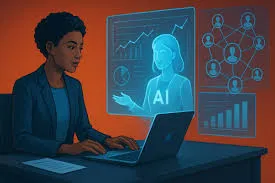
Most people jump straight into learning mode when they hear about AI. They sign up for a course, watch a few tutorials, maybe grab a certificate, and hope it pays off somehow. But here's the thing nobody tells you: learning randomly without knowing your starting point usually wastes time and money. That's where AI-Skills Discovery comes in. It's not a fancy framework or a paid program. It's simply the process of figuring out what you already know, what you don't, and where AI actually fits into your work before you go learn anything at all.

What AI-Skills Discovery Actually Means
Think of it like checking your bank balance before you make a big purchase. You wouldn't just start spending without knowing what you have. The same logic applies here. AI-Skills Discovery means taking an honest look at your current skills, comparing them against what AI tools can already do, and spotting the real gaps, not the ones you assume exist.
For example, someone in marketing might assume they need to learn to code to "keep up with AI." But once they actually sit down and do this kind of discovery, they might realize what they really need is to get better at writing prompts and reading data reports, not building software. That one shift in understanding saves months of learning the wrong thing.
Why Skip This Step Costs You
A lot of people skip discovery because it feels less productive than actually learning something. Sitting down and mapping your skills doesn't feel as exciting as finishing a course. But without it, you're basically guessing. You might spend three months learning a tool that barely applies to your job, while ignoring a small skill gap that was actually holding you back.
I've seen this happen a lot. Someone learns Python because "AI people know Python," but their actual job never touches code. Meanwhile, they never learned how to use AI tools to speed up the parts of their job that really matter. That's a mismatch that proper AI-Skills Discovery would have caught early.
How to Actually Do It
You don't need special software or a consultant for this. A notebook and an honest hour of thinking works fine.
Start by listing what you do in a typical week at work. Break it into smaller tasks instead of vague job titles. "I write reports" becomes "I gather data, summarize findings, format it into slides, and send it for review."
Next, go through each task and ask a simple question: could AI already do part of this, or make it faster? Be honest here, since it's easy to either overestimate or underestimate what these tools can actually handle. Some tasks won't change much. Others might shrink from two hours to twenty minutes with the right tool.
Then look at what's left; the tasks that need your judgment, creativity, or people skills. These are usually the parts of your job that are safest and often the most valuable, so it's worth getting even better at them.
Finally, compare this map against what you're actually good at right now. The overlap between "AI can't easily do this" and "I'm already decent at this" is where you should double down. The overlap between "AI could help a lot here" and "I'm weak at this" is where you should focus your next round of learning.
A Few Signs You Need This More Than You Think
If you've felt overwhelmed by all the AI courses out there and don't know which one to pick, that's usually a sign you skipped discovery. If you've learned a tool but never actually used it at work, same thing. And if you catch yourself saying "I should probably learn AI" without knowing what that even means for your specific job, AI-Skills Discovery is exactly the step you're missing.
Making It a Habit, Not a One-Time Thing
Here's the part people often miss. This isn't something you do once and forget. AI tools change fast, and so does what counts as a valuable skill. Doing a quick version of this discovery every few months, even just twenty minutes with your task list, keeps you from falling behind without realizing it.

The Bottom Line
You don't need to learn everything about AI. You need to learn the right things for your actual job, and that starts with knowing where you stand. AI-Skills Discovery isn't about impressing anyone with a long list of courses or certificates. It's about being honest with yourself first, so the time you spend learning actually moves you forward instead of just keeping you busy for the sake of it. And if you're still not sure where to start, a bit of career coaching can help you turn that self-discovery into an actual plan instead of just a list of observations.





























Sign in to leave a comment.