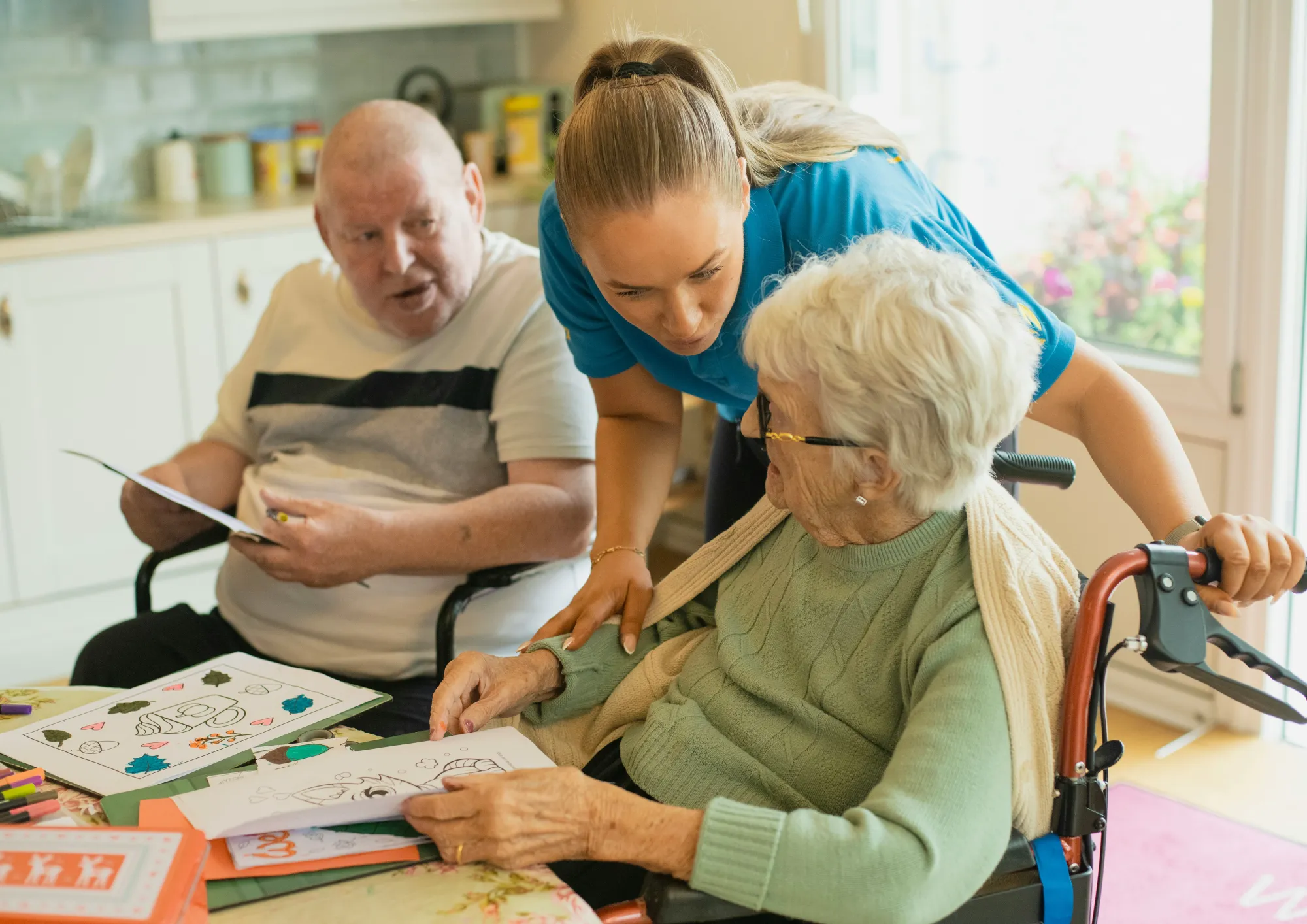

Caregiving is more than helping someone with their daily routine. It is a profession that requires patience, responsibility, compassion, and the ability to understand the needs of others. As the demand for trained caregivers continues to grow, caregiving has become a meaningful career option for people who want to work in the healthcare and care sector.
Whether you are interested in working with elderly people, patients, or individuals who need additional support, developing the right skills is an important first step toward becoming a professional caregiver.
What Does a Caregiver Do?
A caregiver supports individuals who may need assistance with everyday activities because of age, illness, disability, or recovery from a health condition. Depending on the workplace and the person's needs, a caregiver may assist with personal care, mobility, meals, medication reminders, hygiene, and daily routines.
A caregiver also provides companionship and emotional support. Sometimes, simply listening to someone, having a conversation, or making them feel comfortable can be just as important as practical assistance.
The responsibilities of a caregiver can vary depending on the employer, workplace, and level of care required. This is why proper training is valuable for anyone planning to enter the profession.
Essential Skills Every Caregiver Needs
1. Patience
Every individual has different needs and routines. A caregiver may need to repeat instructions, provide assistance slowly, or adjust to a person's physical and emotional condition. Patience helps caregivers handle these situations calmly and respectfully.
2. Compassion
Caregiving involves working closely with people who may be vulnerable or going through difficult circumstances. Compassion allows caregivers to understand their feelings and provide support with dignity and kindness.
3. Communication
Good communication is essential in caregiving. Caregivers need to understand what a person needs and communicate clearly with family members, healthcare professionals, and other members of the care team.
Being a good listener is equally important. Paying attention to what a person says—and sometimes what they cannot easily express—can help provide better support.
4. Basic Patient-Care Skills
Professional caregivers need practical knowledge to assist people safely. Depending on their role and training, this can include supporting personal hygiene, mobility, feeding, positioning, and other daily activities.
Understanding basic safety and hygiene practices is also important when working with individuals who may have health-related needs.
5. Observation
A caregiver spends considerable time with the person they support. Being observant can help them notice changes in behaviour, mood, appetite, mobility, or general well-being.
Caregivers should know when a change needs to be reported to the appropriate family member or healthcare professional rather than trying to diagnose or treat a medical problem themselves.
6. Responsibility
Caregiving involves trust. Families depend on caregivers to provide reliable and respectful support. Being punctual, following instructions, maintaining confidentiality, and taking responsibilities seriously are important qualities in this profession.
7. Emotional Strength
Caregiving can be both rewarding and challenging. There may be days when the person receiving care is frustrated, unwell, or emotionally distressed. A good caregiver needs to remain professional while showing understanding and support.
Why Proper Caregiver Training Matters
Having a caring personality is important, but professional caregiving also requires knowledge and practical skills. Training can help learners understand how to provide care safely and appropriately in different situations.
A good caregiver course can cover areas such as personal care, elderly care, patient support, hygiene, safety, communication, basic healthcare knowledge, and professional responsibilities. Practical sessions can also help learners become more comfortable with the tasks they may encounter in a real care environment.
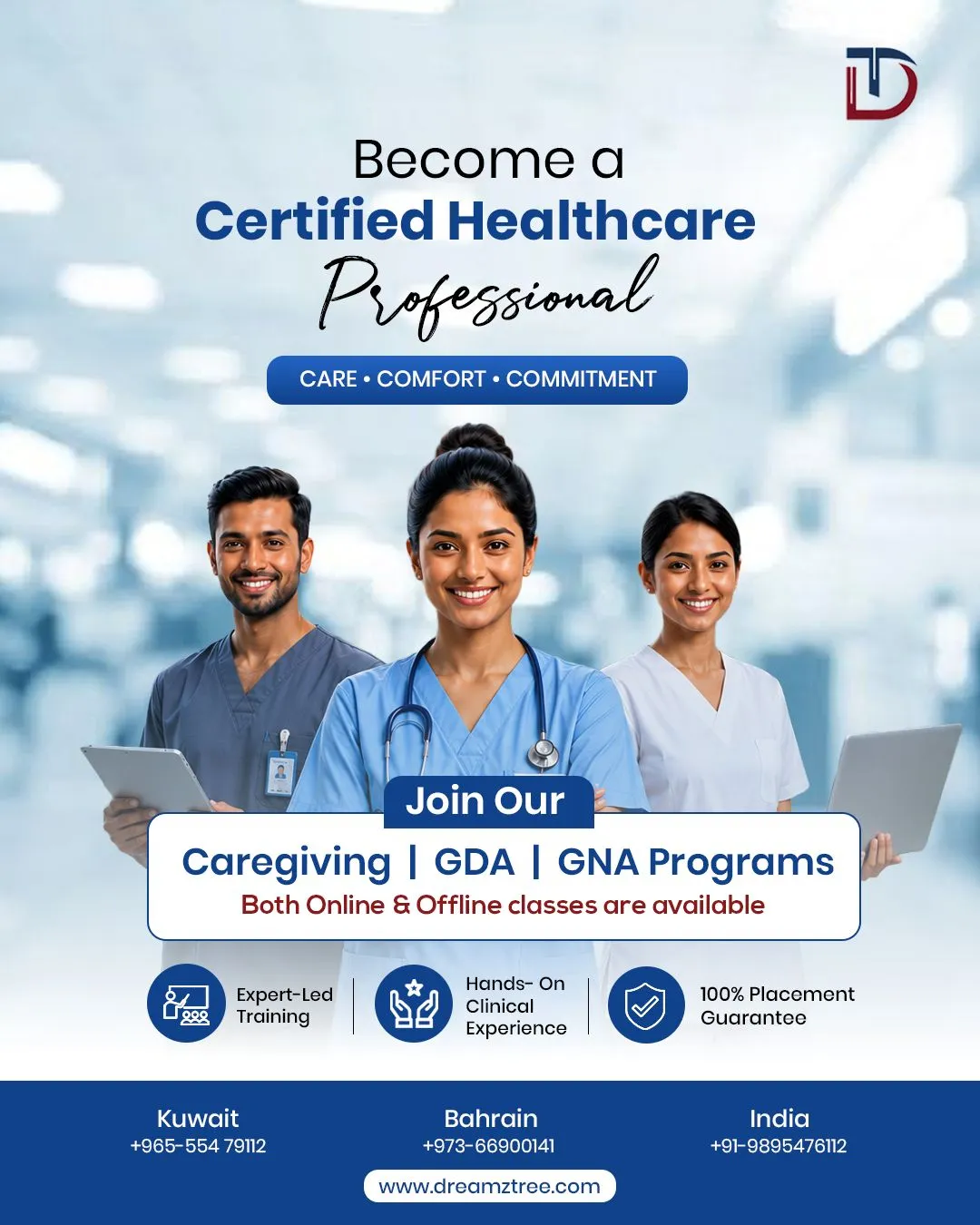
For those looking for structured training in Kerala, Dreamztree Training Academy in Konni, Pathanamthitta, offers a Caregiver Training Course focused on developing practical, job-oriented skills. The course is designed for learners who want to understand professional caregiving and prepare themselves for opportunities in the healthcare and care sector.
Caregiving as a Career
One of the advantages of caregiving is that it offers opportunities across different care environments. Depending on their qualifications, training, and experience, caregivers may work in hospitals, care homes, elderly care facilities, rehabilitation settings, or home-care services.
For individuals interested in international opportunities, caregiver skills can also be relevant to care-related roles in countries where trained support workers are needed. However, requirements vary from country to country, so candidates should always check the specific qualifications, language requirements, certifications, and employment regulations for their intended destination.
More Than Just a Job
A caregiver can have a direct impact on someone's quality of life. Helping an elderly person remain comfortable, supporting someone during recovery, or simply providing companionship can make everyday life easier for the person receiving care.
This is what makes caregiving different from many other careers. It combines practical responsibilities with human connection.
If you are naturally patient, enjoy helping others, and are interested in healthcare, caregiving could be a career worth considering.
Start Building Your Caregiving Skills
Becoming a professional caregiver takes more than good intentions. It requires training, practice, responsibility, and a genuine commitment to caring for others.
With the right skills and guidance, you can build the confidence needed to enter the caregiving field and explore opportunities in different care settings.
Dreamztree Training Academy, Konni, Pathanamthitta, provides caregiver training for learners who want to develop practical knowledge and prepare for a career in professional care. If caregiving is the path you want to pursue, gaining the right training can be the first step toward building a career where your skills can genuinely make a difference.



























Sign in to leave a comment.