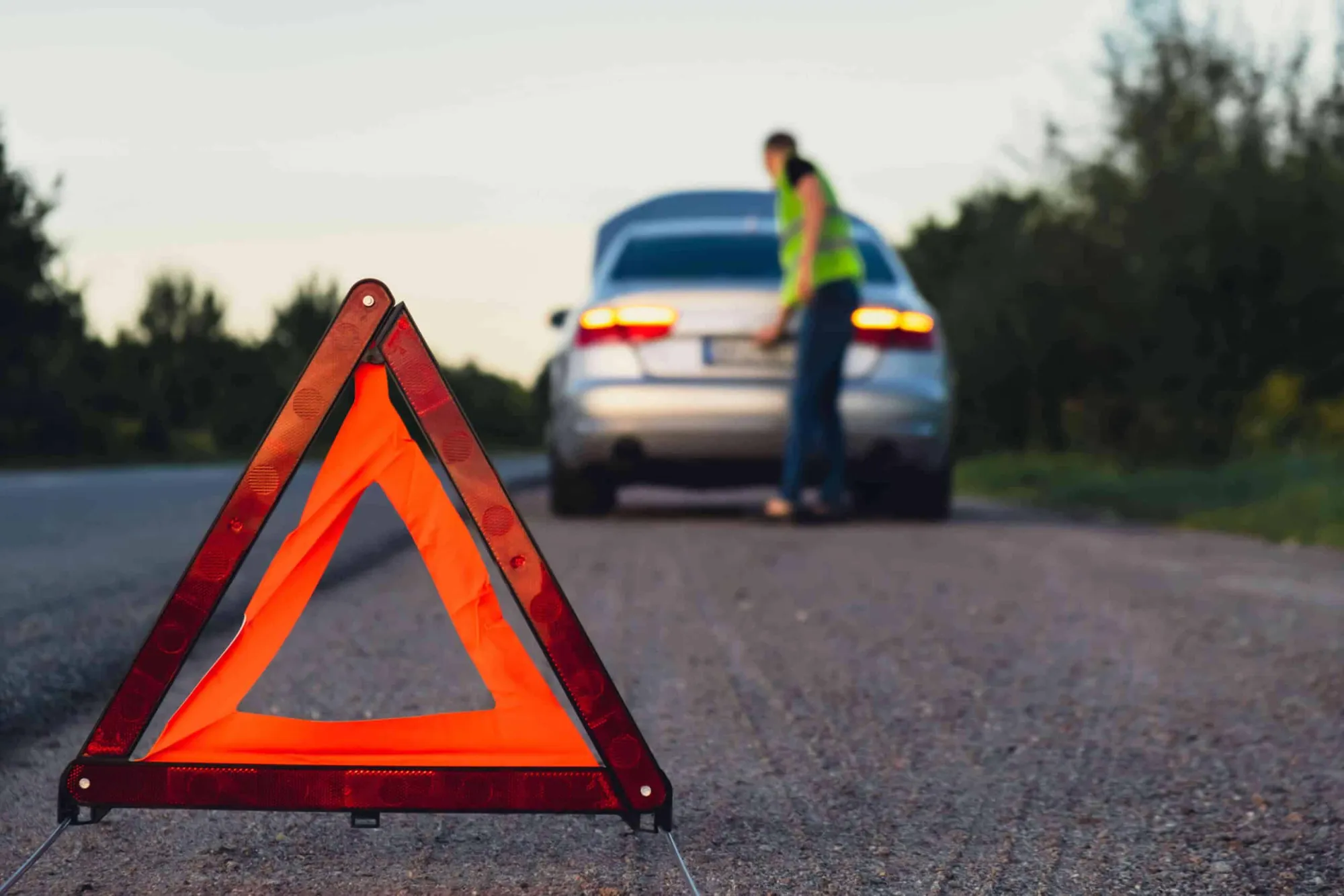

A vehicle breakdown can happen without warning, leaving you stuck on a busy road, parking lot, or highway shoulder. While waiting for help, your safety should come first. Taking a few simple steps can protect you, your passengers, and your vehicle until the tow truck arrives.
Move to a Safe Location
If your vehicle still moves, try to reach a safe spot away from moving traffic. A parking lot, wide shoulder, or nearby safe area can reduce your risk.
Do not attempt to drive a damaged vehicle if doing so could cause more damage or create a safety hazard.
Once you stop:
- Turn on your hazard lights.
- Put the vehicle in park.
- Apply the parking brake.
- Keep your wheels away from traffic when possible.
- Stay aware of vehicles around you.
If you stopped on a highway, avoid standing close to passing traffic. Your vehicle may offer some protection, but it cannot stop another vehicle from hitting you.
Call a Reliable Tow Service
After securing your vehicle, contact a reliable towing company. Give the dispatcher clear information about your location and vehicle.
If you need car towing in Austin TX, explain what happened and tell the dispatcher whether your vehicle sits on a highway, residential street, parking lot, or another location.
Share these details:
- Your exact location or nearby landmark
- Your vehicle's make, model, and color
- The type of problem
- Your direction of travel, if relevant
- Your phone number
- Any special towing needs
Clear information helps the tow operator understand the situation before arrival. It can also reduce confusion when the driver looks for your vehicle.
Stay Inside the Vehicle When It Is Safe
Your vehicle can provide protection from weather and traffic. If you stopped in a safe location, remain inside while you wait.
However, conditions can change. If your vehicle sits in an unsafe position, such as a traffic lane, follow emergency guidance and move to a safer location when possible.
Do not stand behind or directly in front of your vehicle. Another driver may not see you in time.
At night, keep your interior light available when needed, but avoid unnecessary distractions. Keep your phone nearby so you can receive calls from the towing company.
Make Your Vehicle Easy to Find
A tow truck driver needs to locate you quickly. Small details can make the process easier.
Share your location through your phone if the towing company accepts location sharing. You can also provide a nearby business, street sign, exit number, mile marker, or intersection.
If you stopped on a highway, identify your direction of travel. For example, say whether you are traveling northbound or southbound.
Keep your hazard lights running when your battery allows it. If you have warning triangles or road flares, use them only when you can place them safely.
Avoid Unnecessary Repairs on the Road
You may want to fix the problem yourself while waiting. That can make sense for a simple issue, but avoid repairs that place you close to traffic or underneath the vehicle.
Do not crawl under a vehicle on a roadside. Do not attempt complicated mechanical work without the right tools or a safe workspace.
If you already called a tow company, let the tow operator assess the vehicle when they arrive. The driver can determine the safest way to move it.
Gather Important Items
Before the tow truck arrives, collect items that you may need after your vehicle gets towed.
Check for:
- Wallet and identification
- Phone and charger
- Keys
- Medication
- Important documents
- Work equipment
- Valuables
- Child or pet essentials
Avoid leaving valuables inside your vehicle unless you have no practical alternative.
If the tow operator takes your vehicle to a repair shop, ask where the vehicle will go and what you need to do next.
Stay Calm and Watch for Traffic
A breakdown can feel stressful, especially when you have somewhere important to be. Try to stay calm and focus on safety.
Do not accept help from strangers who approach your vehicle if you feel uncomfortable. You can tell them that a tow truck is already coming.
Keep your doors locked when appropriate. Stay alert to your surroundings, especially at night or in an unfamiliar area.
If you have passengers with you, make sure everyone understands the safety plan. Children should remain away from traffic and avoid playing around the vehicle.
What Information Should You Give the Tow Driver?
When the tow truck arrives, explain the problem clearly. Tell the driver whether the vehicle starts, rolls, steers, or has any visible damage.
Mention issues such as:
- Flat tires
- Dead battery
- Collision damage
- Engine trouble
- Locked keys inside
- Overheating
- Vehicle stuck in mud or another difficult area
This information can help the driver choose the right towing equipment.
When looking for car towing in Austin TX, accurate details can also help the company send an appropriate truck for your situation.
What If You Need to Leave the Vehicle?
Sometimes you cannot stay with your vehicle. You may need to leave because of weather, personal circumstances, or safety concerns.
Before leaving, speak with the towing company and explain your plans. Confirm where the vehicle will go and whether someone needs to meet the driver.
Remove important belongings and take your keys with you unless the towing company gives you different instructions.
If police or highway officials become involved, follow their directions first.
How Long Should You Expect to Wait?
Tow truck arrival times can vary. Traffic, weather, road conditions, service demand, and your location can all affect the wait.
Use the waiting period to stay safe rather than repeatedly checking the road for the truck. Keep your phone charged and answer calls from the towing company.
If the estimated arrival time changes, ask for an updated estimate.
Final Thoughts
Waiting for a tow truck does not need to become more stressful than the breakdown itself. Move away from traffic when possible, turn on your hazard lights, stay aware of your surroundings, and communicate clearly with the towing company.
When you need car towing in Austin TX, giving accurate location and vehicle information can help the towing team prepare for the job. Most importantly, never risk your safety trying to save time during a roadside emergency.
FAQs
1. Should I stay inside my car while waiting for a tow truck?
If your vehicle sits in a safe location, staying inside can protect you from weather and traffic. If your vehicle sits in immediate danger, move to a safer location when you can do so safely.
2. Should I turn on my hazard lights?
Yes. Hazard lights can alert other drivers that your vehicle has a problem. Keep them on when your battery and situation allow it.
3. Can I leave my car while waiting for a tow truck?
You can, but contact the towing company first. Confirm the vehicle's destination and ask whether someone must remain with the vehicle.
4. What should I tell the towing company?
Give your exact location, vehicle details, problem, travel direction, and any special circumstances. Clear information helps the company send suitable equipment.
5. What should I do if my car breaks down on a highway?
Move as far away from traffic as possible if your vehicle can safely move. Turn on your hazard lights, stay alert, and contact a towing service. Avoid standing near moving traffic.
6. Can I ride with the tow truck driver?
Policies can vary by company and situation. Ask the towing company before the truck arrives if you need transportation with your vehicle.























Sign in to leave a comment.