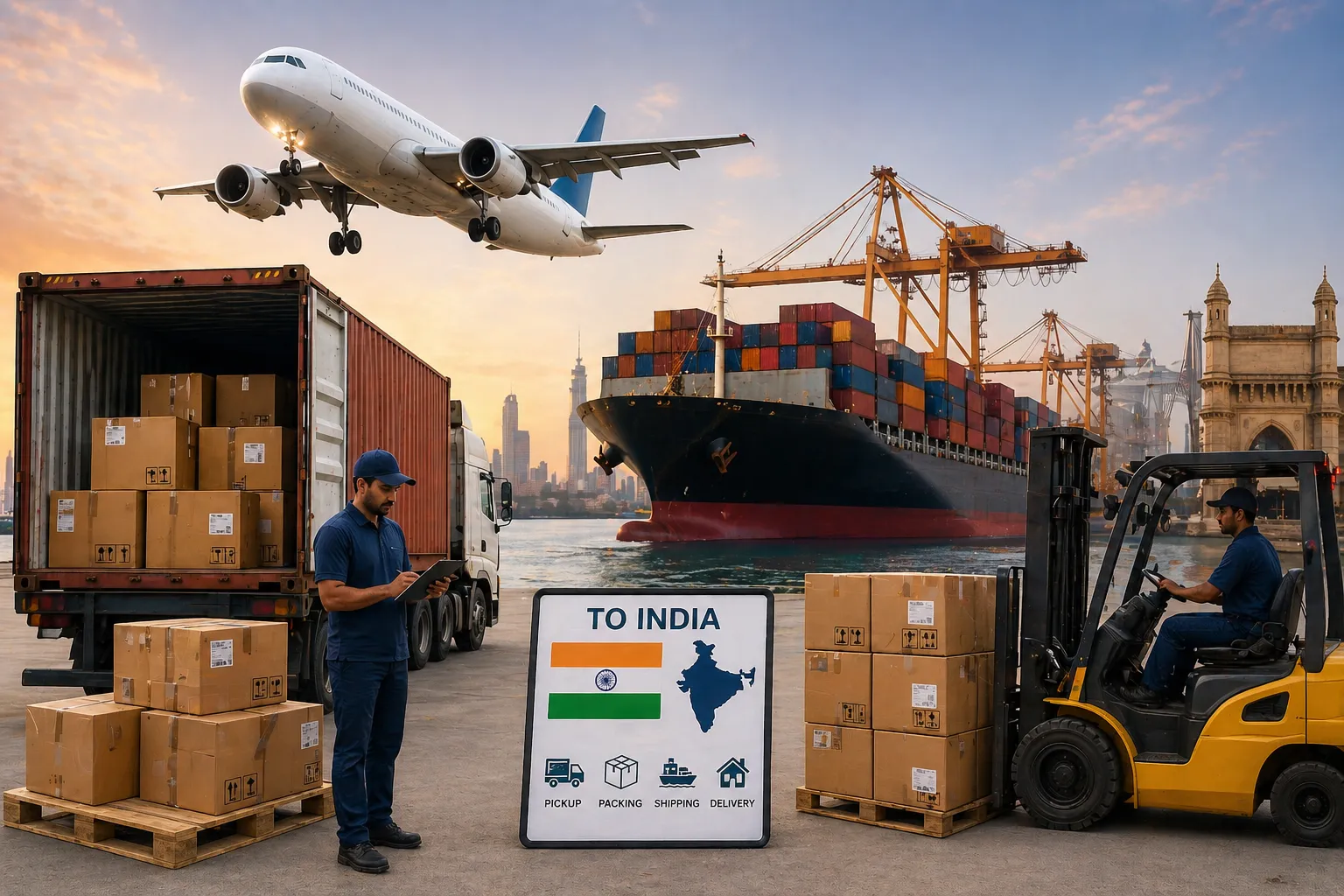

Sending cargo to India involves more than just handing over a box and hoping it arrives. From selecting the right shipping carrier to navigating customs regulations, every step matters if you want your goods to arrive safely and on time. Whether you're a business shipping products, a family member sending items home, or someone relocating across borders, knowing how international shipping to India actually works makes the whole process far less stressful.
This guide breaks down the shipping methods, costs, rules, and practical advice you need before booking your next shipment.
The Growing Need for Reliable Cargo Services to India
Trade between India and countries like the USA, UK, UAE, and Canada has grown steadily, driven by a large Indian diaspora and expanding import-export activity. This has pushed demand for dependable cargo shipping that balances speed, cost, and safety.
Cities such as Mumbai, Delhi, Chennai, and Bangalore act as the country's main logistics hubs, with Mumbai handling a major share of port cargo thanks to its position near one of India's busiest seaport facilities.
Choosing Between Sea, Air, and Courier Shipping
Not every shipment needs the same approach. Your choice usually comes down to timing, budget, and what you're actually sending.
Sea Freight: The Budget-Friendly Option
Ocean freight remains the go-to choice for anyone shipping bulk goods, furniture, or heavy equipment to India. It costs less than flying cargo but takes considerably longer to arrive.
What to expect:
- Transit times of roughly 20 to 40 days
- Options for Full Container Load (FCL) or shared container space (LCL)
- Best suited for non-urgent, high-volume shipments
- Entry mainly through Nhava Sheva Port (JNPT) and Chennai Port
Air Freight: Speed Over Savings
When time is tight, air cargo shipping gets your goods to India far faster than sea transport, though at a higher price per kilogram.
What to expect:
- Delivery generally within a week or less
- Ideal for perishables, electronics, and urgent business shipments
- Stricter weight restrictions compared to sea freight
- Arrivals typically through Chhatrapati Shivaji Maharaj International Airport, Indira Gandhi International Airport, or Kempegowda International Airport
Courier Services: Convenience for Smaller Shipments
For personal packages, documents, or smaller e-commerce parcels, courier companies offer door-to-door delivery with built-in tracking. This route usually clears customs faster than standard freight shipments.
What Determines the Right Shipping Method for You
Picking a shipping option isn't just about the lowest quote. A few factors deserve real consideration:
- How soon you need it there — urgent goods call for air freight, everything else can go by sea.
- What you're shipping — fragile or perishable items require extra care and sometimes faster transit.
- Your total budget — factor in duties and taxes, not just the shipping rate itself.
- Where it's headed — some cities offer better port or airport connections than others.
- How much you're sending — larger volumes often unlock better rates through a freight forwarder.
An experienced freight forwarding company familiar with Indian import rules can prevent a lot of headaches down the line.
Navigating India's Customs Requirements
Getting through customs clearance smoothly depends heavily on preparation. This is where many shipments run into trouble.
Documents You'll Need
- Commercial invoice
- Detailed packing list
- Bill of lading or airway bill
- Import license, if required for the goods
- IEC (Importer Exporter Code) for commercial shipments
- GST details, where applicable
Understanding Duties and Taxes
India calculates import duties and GST based on the category and declared value of goods. Since rates shift and vary widely, checking the latest tariff information through the Central Board of Indirect Taxes and Customs (CBIC) — or simply asking your shipping agent — saves you from unpleasant surprises at the border.
Items You Can't Ship
Some goods are restricted or banned outright, including:
- Weapons and ammunition lacking proper licenses
- Electronics missing required certifications
- Illegal drugs and controlled substances
- Counterfeit or pirated products
Checking item eligibility ahead of time saves you from having a shipment seized or sent back.
Mistakes That Slow Down Shipments
Even seasoned shippers occasionally slip up. Watch out for these common issues:
- Missing or inaccurate paperwork. Incomplete invoices are the number one reason shipments sit in customs holding.
- Not budgeting for duties. Import taxes and GST can add up quickly if you haven't planned for them.
- Careless packing. Weak packing materials lead to damaged goods, particularly on longer sea routes.
- Overlooking size and weight limits. Air cargo especially has firm restrictions that trigger extra charges if ignored.
- Picking the cheapest option blindly. Bargain carriers sometimes skip proper tracking, insurance coverage, or responsive support.
A little extra care with documentation and packaging goes a long way toward avoiding these setbacks.
Practical Tips for a Hassle-Free Shipment
- Add cargo insurance, particularly for valuable or breakable items.
- Use your tracking number to stay updated on your shipment's progress.
- Keep your recipient informed about realistic delivery timeframes.
- Partner with an established freight forwarder experienced in India-bound shipments.
- Save copies of every document in case customs officials request verification.
- Pack with intention — sturdy boxes and proper cushioning prevent avoidable damage.
What Affects Your Shipping Costs
Several variables shape the final price of your cargo shipment to India:
- Total weight and package dimensions
- Distance from your shipping origin
- Method chosen (sea, air, or courier)
- Customs duties and GST
- Insurance and handling charges
Requesting quotes from a few different providers, and comparing the full landed cost rather than just the base rate, helps you budget more accurately.
Frequently Asked Questions
How long does it take for cargo to reach India? Sea freight generally takes 20 to 40 days, while air freight arrives within roughly a week, depending on origin and customs processing.
What's the most affordable way to ship to India? Sea freight is typically the cheapest option for larger or bulk shipments, though it takes noticeably longer than flying cargo.
Will I owe customs duty on personal items? In most cases, yes — customs duty and GST apply based on the value and category of goods, though some personal effects may be exempt.
Which Indian cities have the best cargo access? Mumbai, Chennai, Delhi, and Bangalore offer the strongest port and airport connections for international shipments.
Is it possible to track my shipment to India? Yes, most established carriers provide a tracking number so you can follow your shipment from pickup to final delivery.
Final Thoughts
Shipping cargo to India doesn't need to be complicated once you understand your options. Whether sea freight fits your budget better or air freight suits your timeline, getting your documentation right and packing carefully will keep your shipment moving smoothly through customs.




























Sign in to leave a comment.