

You have invested in a beautiful pair of handmade dance shoes, and they feel like an extension of your own feet. Now comes the important part: keeping them that way. Proper care is not about being precious or fussy. It is about respecting the natural materials and skilled labor that went into your shoes so they can serve you well for years rather than months. Suphini has repaired thousands of dance shoes over the years, and we have seen firsthand what causes premature death and what extends life dramatically. These maintenance tips come straight from our workshop floor, tested and proven by professional dancers who put their shoes through absolute hell every single day.
Cleaning Leather Uppers Without Causing Damage
Leather is skin, and you should clean it with the same gentleness you would use on your own face. After each rehearsal, wipe down your leather dance shoes with a soft, slightly damp cloth to remove surface dust and sweat residue. Never soak the leather or run your shoes under a tap. For deeper cleaning, use a leather cleaner specifically formulated for delicate finishes, applying it with a circular motion using a microfiber cloth. Avoid saddle soaps or household cleaners, which strip natural oils and leave behind drying residues. Suede uppers require a different approach: use a suede brush or a clean toothbrush to lift dirt from the nap, brushing in one direction only. For stubborn stains on suede, a suede eraser rubbed gently over the spot often works wonders. Never use water on suede unless absolutely necessary, as it can leave watermarks and stiffen the material. When in doubt, test any cleaning product on a small hidden area first, like the inside of the heel.
Maintaining Suede Soles for Consistent Traction
The suede sole is your connection to the floor, and its condition directly affects your performance. Over time, suede compresses and becomes smooth, losing the nap that provides controlled grip. To restore it, use a stiff suede brush or a specialized sole brush, scrubbing firmly along the length of the sole. This action lifts the compressed fibers and brings back that velvety texture. Do this before every few wears, or whenever you notice the sole feeling slicker than usual. For dancers who perform on dusty or dirty floors, carry a small brush in your dance bag and give your soles a quick scrub between numbers. If the sole has picked up wax or residue from studio floors, a light sanding with fine-grit sandpaper can refresh the surface. However, sand aggressively only once or twice in the sole’s life, as each sanding removes material. When the sole becomes thin enough to see the midsole layer underneath, it is time for a professional resoling rather than continued brushing.
Drying Your Shoes Properly After Sweaty Rehearsals
Sweat is the silent killer of dance shoes. Moisture weakens adhesives, promotes bacterial growth, and causes leather to rot from the inside out. After any intense rehearsal, remove your shoes immediately. Do not leave them balled up in a gym bag overnight. Loosen all straps and laces to open the shoe as wide as possible. Remove any removable insoles or arch supports. Then stuff each shoe with crumpled newspaper or a dedicated shoe tree made of cedar. The paper absorbs moisture quickly, while cedar adds the benefit of natural antimicrobial oils. Change the newspaper after a few hours if it feels damp. Never use direct heat sources like hair dryers, radiators, or sunshine to speed drying. Heat shrinks leather, cracks adhesives, and warps the shape of the shoe. Room temperature air circulation is all you need, just give it time. Rotating between two pairs of shoes is the best strategy, allowing each pair a full twenty-four hours to dry completely between uses.
Conditioning Leather to Prevent Cracking
Leather that dries out becomes brittle and eventually cracks, especially in the flex points at the ball of the foot. To prevent this, apply a leather conditioner every few months, or more often if you dance in a dry climate. Choose a conditioner without silicone or petroleum distillates, as these coat the surface rather than penetrating and can actually accelerate drying over time. Suphini recommends lanolin-based conditioners or those made with beeswax and jojoba oil. Apply a tiny amount to a soft cloth and rub it into the leather using small circles. Let the conditioner sit for ten minutes, then buff off any excess with a clean cloth. Pay special attention to the flex points and the heel counter. Conditioner will darken leather temporarily, so test on a hidden spot first if color matching is important to you. Suede never needs conditioning, as the oils would ruin the nap and change the texture completely.
Storing Your Shoes Between Wears and Off-Season
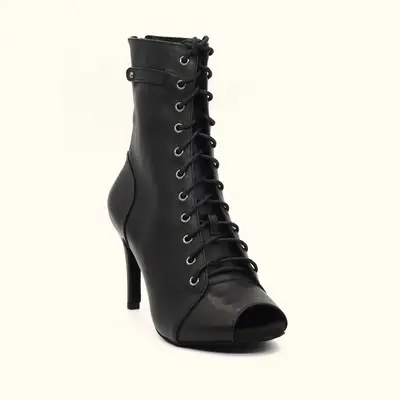
Where you keep your dance shoes matters almost as much as how you clean them. Store shoes in a cool, dry place away from direct sunlight, which fades colors and dries leather. Avoid basements and attics where humidity and temperature fluctuate wildly. Keep shoes in a breathable cotton or mesh bag rather than a sealed plastic container, which traps moisture and promotes mold. For long-term storage between seasons, clean the shoes thoroughly first, then stuff them with acid-free tissue paper to maintain shape. Place them in a cardboard box with a few silica gel packets to absorb ambient moisture. Do not stack heavy items on top of the box. Check on stored shoes every few months, flexing them gently to ensure the leather has not stiffened. If you find any signs of mold, wipe with a solution of equal parts water and white vinegar, then dry completely before returning to storage.
Knowing When to Repair Versus Replace
Even the best cared for handmade shoes eventually need professional attention. The key is catching problems early before they become irreparable. Take your shoes to a cobbler or return them to Suphini when you notice the heel cap separating from the sole, the stitching coming loose around the toe, or the sole wearing thin in one spot. These are inexpensive fixes if addressed promptly. A heel reattachment might cost a fraction of a new pair. However, some signs indicate replacement is the better choice. Cracked leather across the flex point cannot be truly repaired. A broken shank inside the arch often means the shoe’s supportive structure has failed. Persistent odor that remains after deep cleaning suggests bacteria has penetrated the insole padding. In these cases, thank your shoes for their service and retire them. Many dancers keep a beloved old pair for warmups or low-stakes rehearsals while reserving new shoes for performances. Knowing the difference between a fixable shoe and a finished one saves you money and protects your feet.
Rotating Multiple Pairs for Maximum Longevity
If you dance more than three times per week, you need more than one pair of shoes. This is not an indulgence. It is a practical necessity. Rotating between two or three pairs allows each shoe to dry completely, relax back into shape, and recover from the compression of dancing. Shoes worn daily without rotation die two to three times faster than shoes given rest days. Professionals often keep four or five pairs in rotation, marking them with dates or colored tape to track usage. You do not need to buy all your rotation pairs at once. Start with one excellent handmade pair, then add a second a few months later. The older pair becomes your rehearsal shoe while the newer pair saves itself for performances and important events. This rotation system costs more upfront but saves money over time because each individual pair lasts far longer than it would with daily abuse. Your feet will thank you too, as rotating shoes reduces the repetitive pressure that leads to overuse injuries.























Sign in to leave a comment.