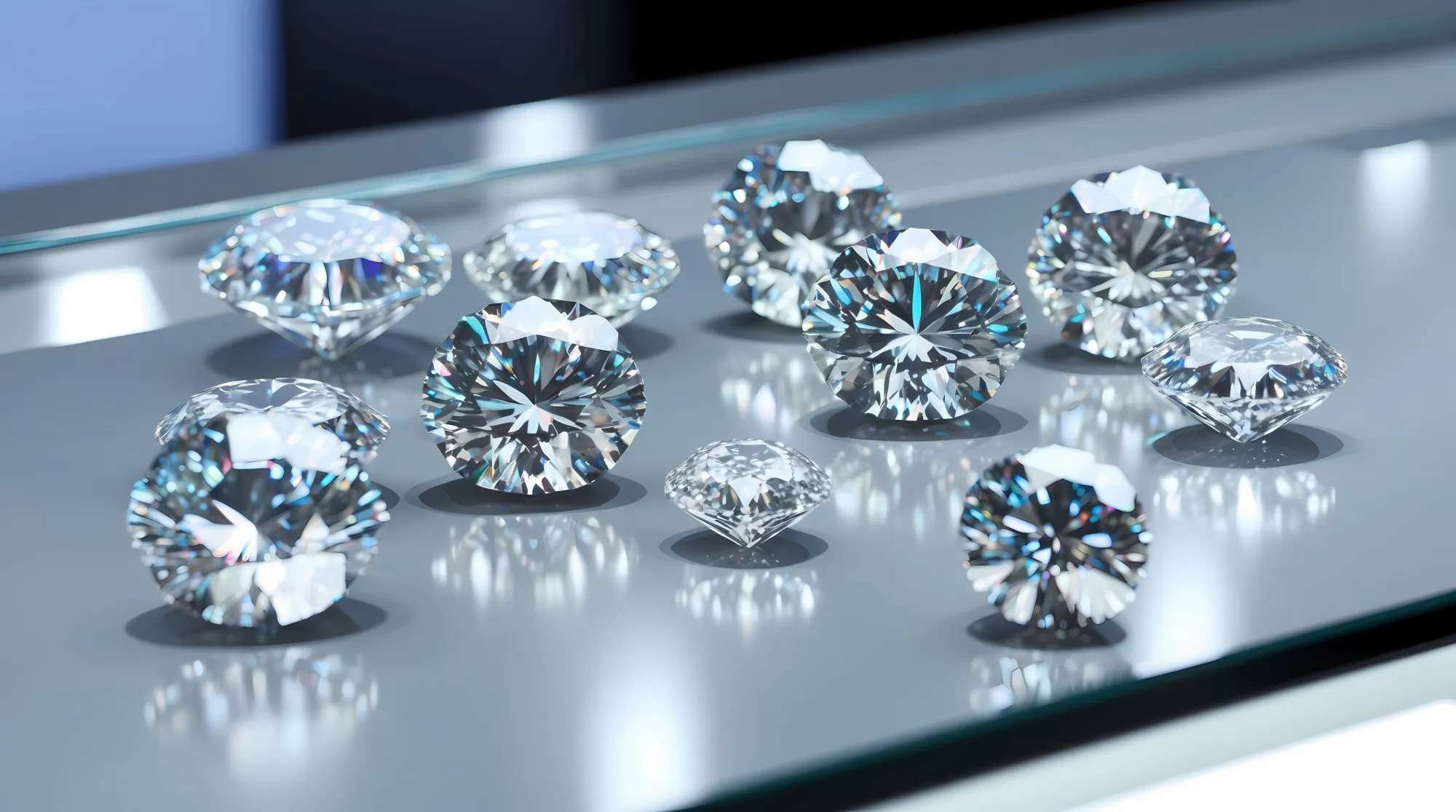

A diamond is more than a sparkling gemstone. Its appearance, durability, rarity, and market value are influenced by several characteristics that can be difficult to judge at first glance. Whether you are buying an engagement ring, selecting a loose stone, or simply researching diamonds before making a purchase, understanding quality can help you make a more informed choice.
This Diamond Quality Guide explains the key factors that influence how a diamond looks and performs. Instead of concentrating on one specification, you can learn how different characteristics work together and how to evaluate a diamond according to your own priorities.
What Does Diamond Quality Really Mean?
Diamond quality does not refer to a single feature. It describes the combination of characteristics that determine a stone's appearance and documented grade.
Professional grading commonly evaluates diamonds through the 4Cs: cut, color, clarity, and carat weight. These characteristics provide a standardized way to describe diamonds, but they do not tell the entire story. Shape, proportions, fluorescence, symmetry, polish, and individual visual appearance can also matter.
A quality-focused buyer should therefore look at the complete diamond rather than assuming that the highest grade in one category automatically means the best stone.
Cut Quality Has a Major Visual Impact
Cut is one of the most important characteristics to understand because it affects how a diamond interacts with light.
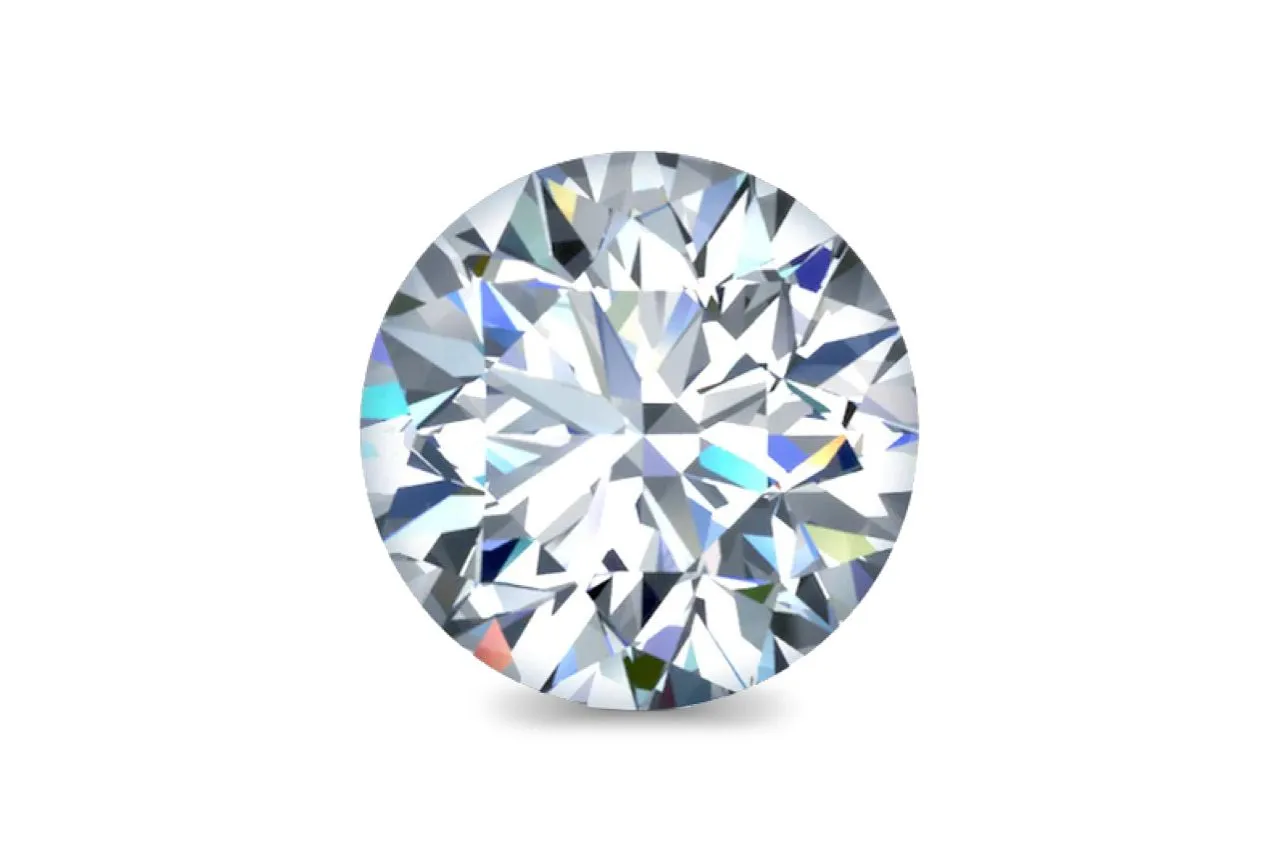
When a diamond has well-balanced proportions and properly aligned facets, light can enter the stone and return toward the viewer, creating brightness and sparkle. Poor proportions can cause light to escape through areas of the stone, reducing its visual impact.
For round brilliant diamonds, laboratories may provide specific cut grades. Other shapes may require closer attention to proportions and visual performance because standardized cut grading can differ by shape.
When comparing diamonds, look for:
- Balanced proportions
- Good symmetry
- Strong brightness
- Attractive sparkle
- A pleasing face-up appearance
A larger diamond is not necessarily more impressive if its cut prevents it from displaying strong light performance.
Color Can Influence the Overall Appearance
Diamond color refers to the presence of body color in a diamond. On the traditional D-to-Z grading scale, D represents the top colorless grade, while lower grades show increasing warmth.
The right color level depends on your personal taste and the type of diamond you are purchasing. Round diamonds can sometimes mask body color differently from elongated shapes, while settings can also influence how color appears.
A higher color grade may be important to someone seeking a crisp, icy appearance. Another buyer may prefer to allocate more of the budget toward size or cut while selecting a slightly lower color grade.
There is no universal color grade that suits every shopper. The best choice depends on what you want the finished jewelry to look like.
Clarity Is About Natural Characteristics
Diamonds form under extreme natural conditions, and many contain tiny internal or surface characteristics. Clarity grading considers these features, including inclusions and blemishes.
Clarity grades range from diamonds with extremely few observable characteristics under laboratory examination to stones with more noticeable features.
However, choosing the highest clarity available is not always necessary. Some characteristics may have little effect on the diamond's appearance when viewed without magnification.
When evaluating clarity, consider:
- Whether inclusions are visible to the naked eye
- Their location within the stone
- Their size and number
- Whether they affect transparency or brilliance
- How the clarity grade compares with the overall price
This can help you avoid paying a premium for clarity that may not produce a noticeable visual difference.
Carat Weight and Visual Size Are Different
Carat weight measures a diamond's weight. It should not be treated as a direct measurement of how large the stone will appear.
Two diamonds with the same carat weight can have different dimensions because their proportions and shapes vary. A well-proportioned diamond may also have a more attractive face-up appearance than a heavier stone with less effective proportions.
When shopping online, check the listed measurements in addition to carat weight. Comparing length, width, and depth can provide a better understanding of how the diamond may look when viewed from above.
Shape Determines Style
Shape is separate from the 4Cs, but it has a significant effect on the finished appearance of jewelry.
Round is a classic choice with strong brilliance. Oval diamonds can create an elongated appearance, while emerald cuts are recognized for their step-cut facets and clean visual lines. Pear, marquise, cushion, radiant, and princess shapes each offer their own character.
Your choice should reflect the design you want rather than simply following popularity.
Think about how the shape will work with:
- The ring setting
- Finger proportions
- Personal style
- Desired visual size
- Everyday lifestyle
Choosing a shape you genuinely enjoy can make the finished piece feel more personal.
Certification Adds Transparency
A grading report from a respected gemological laboratory can provide important information about a diamond's characteristics. It may document details such as carat weight, color, clarity, measurements, proportions, and other grading observations.
Before purchasing, review the report carefully. Check that the information corresponds to the diamond being offered.
Certification does not replace your own evaluation of the diamond's appearance, but it gives you a standardized reference for comparing stones.
For online shoppers, this documentation can be especially helpful because it allows you to review objective information before committing to a purchase.
Look at the Diamond as a Complete Package
One of the biggest mistakes buyers can make is comparing diamonds based on a single specification.
Imagine two diamonds with the same carat weight. One may have a stronger cut and better proportions, while the other may have a higher clarity grade but weaker visual performance. Depending on your priorities, the first diamond could provide the more appealing combination.
This is why diamond quality should be assessed holistically.
Consider the relationship between:
Cut + Color + Clarity + Carat + Shape + Proportions + Certification
The goal is not to maximize every specification. The goal is to find a combination that delivers the appearance, quality, and value you want.
Consider Fluorescence and Other Details
Fluorescence describes how some diamonds react when exposed to ultraviolet light. It is reported separately from the 4Cs and can vary from none to different levels of intensity.
For many diamonds, fluorescence has little noticeable impact. In certain stones, however, it may influence appearance under particular lighting conditions.
Other report details, such as polish and symmetry, can also be useful when comparing diamonds. Reviewing these characteristics gives you a more complete understanding of the stone.
How to Evaluate an Online Diamond
Online diamond shopping provides access to a wide selection, but it requires careful research.
Start by reviewing the diamond's grading information. Then examine available photographs, videos, or 360-degree views. Look for consistent details across the product listing and grading report.
Avoid making a decision solely because a diamond has a low price. Instead, compare several stones with similar specifications and determine why their prices differ.
A useful approach is to create a shortlist based on your budget and priorities. Once you have several suitable options, compare their visual presentation and documented characteristics before choosing.
Build Your Own Quality Priorities
Every buyer has different expectations. Someone purchasing a classic solitaire may prioritize brilliance and a traditional shape. Another person may prefer a distinctive fancy shape or a larger face-up appearance.
Before shopping, decide which characteristics matter most to you.
For example:
- Prioritize cut if sparkle is your main concern.
- Consider color carefully if you want a visibly colorless appearance.
- Evaluate clarity based on eye-clean appearance.
- Compare dimensions when visual size matters.
- Select a shape that matches your jewelry style.
- Review certification before completing the purchase.
This approach makes diamond shopping more focused and reduces the temptation to chase grades that may not provide meaningful benefits for your specific needs.
Why Research Leads to Better Decisions
A diamond purchase can involve a substantial investment, so rushing the process can create unnecessary uncertainty. Learning the terminology and understanding grading information allows you to ask better questions and compare stones more effectively.
A strong Diamond Quality Guide should not tell every shopper to choose the same diamond. Instead, it should help you understand the factors behind quality so you can decide what works for you.
diamondhedge encourages shoppers to approach diamond selection with information and careful comparison. By understanding quality before buying, you can focus on finding a diamond that genuinely matches your expectations.
Conclusion
Choosing a high-quality diamond does not mean selecting the highest grade in every category. It means understanding how different characteristics influence appearance, durability, and value, then finding the combination that best fits your priorities.
Use this Diamond Quality Guide as a foundation for evaluating cut, color, clarity, carat weight, shape, certification, proportions, and other relevant details. Compare diamonds carefully, review their documentation, and consider their appearance as a whole.
With thoughtful research, you can move beyond confusing specifications and make a diamond purchase based on knowledge, personal preference, and genuine value. At diamondhedge, informed comparison can help make the journey toward finding the right diamond more confident and rewarding.

























Sign in to leave a comment.