

Training a puppy requires patience, consistency, and the right equipment. From treats and clickers to leashes and toys, dog owners often invest in tools that make training sessions smoother and more effective. One item that has gained popularity among trainers and pet owners is the training vest. But are these vests truly helpful during puppy training, or are they simply another accessory?
The answer depends on how you train, where you train, and how organized you want your sessions to be. For many handlers, a training vest becomes an essential part of daily puppy work because it improves convenience, efficiency, and communication during training.
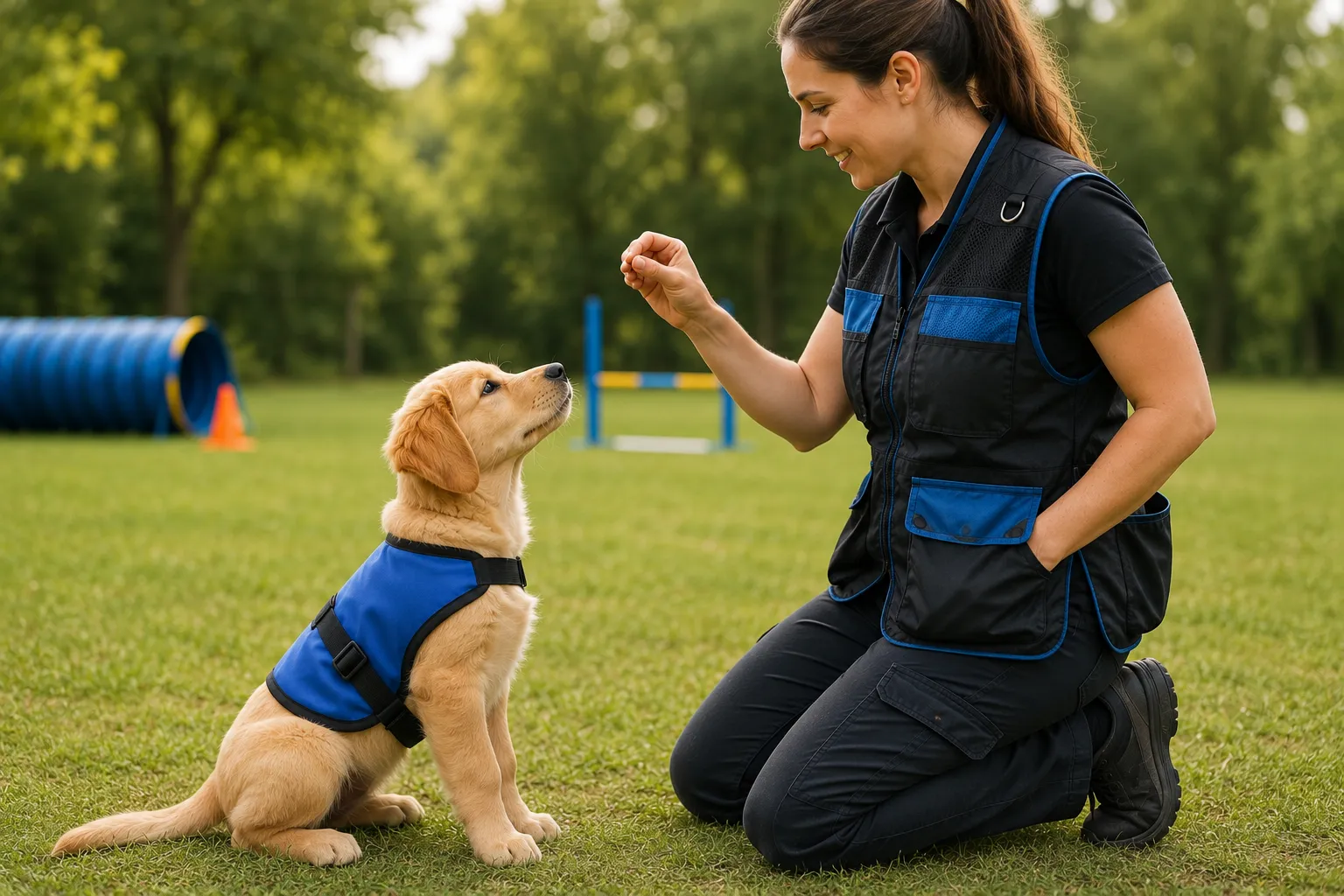
What Is a Dog Training Vest?
A Dog Training Vest is specially designed clothing worn by trainers or dog handlers during training sessions. Unlike regular jackets or hoodies, these vests include multiple pockets, compartments, clips, and storage areas for carrying training essentials.
Most training vests are lightweight, durable, and built for movement. They are commonly used in obedience training, agility, scent work, protection sports, and general puppy development.
For puppy owners, these vests can simplify training by keeping rewards and tools within immediate reach.
Why Puppy Training Requires Organization
Puppies learn best through repetition and timely rewards. During early development, every second matters. If you spend too much time reaching into bags or searching for treats, your puppy may lose focus or fail to connect the reward with the behavior.
Training sessions often involve:
- Treats
- Toys
- Clickers
- Waste bags
- Leashes
- Tug toys
- Water bottles
- Long lines
Carrying all of these items in your hands can become frustrating quickly. This is where a training vest becomes practical.
Having dedicated compartments allows trainers to stay organized while maintaining full attention on the puppy.
Benefits of Using a Training Vest for Puppies
Quick Access to Rewards
Reward timing is one of the most important aspects of puppy training. When your puppy performs the correct behavior, immediate reinforcement helps strengthen learning.
A vest allows quick access to treats or toys without interrupting the session. This creates smoother communication between you and your puppy.
Better Focus During Sessions
Constantly bending down to pick up equipment or searching through bags can distract both trainer and dog. Wearing a vest keeps everything accessible and reduces interruptions.
Puppies already have short attention spans, so efficient sessions are especially valuable.
Hands-Free Convenience
A handler training vest keeps your hands available for leash handling, guiding movements, and interacting with your puppy naturally.
Hands-free movement is particularly useful during:
- Loose leash walking
- Recall exercises
- Socialization training
- Agility introductions
- Outdoor training sessions
This freedom allows trainers to move more naturally and confidently.
Encourages Consistency
When your training equipment is always prepared and organized, you are more likely to train consistently. Even short five-minute sessions become easier when all supplies are ready to use.
Consistency is the foundation of successful puppy training.
Features to Look For in a Puppy Training Vest
Not every vest is designed equally. Choosing the right vest can make training far more comfortable and efficient.
Multiple Pockets
Large pockets are useful for storing treats, toys, and accessories separately. Some trainers prefer waterproof treat pockets for easy cleaning.
Lightweight Material
Puppy training often involves movement, walking, bending, and outdoor activity. Breathable materials help keep trainers comfortable during longer sessions.
Durable Construction
Puppies chew, jump, scratch, and pull. Strong stitching and durable fabrics help training vests last longer.
Easy Cleaning
Treat crumbs, mud, and puppy paw prints are inevitable. Machine-washable materials make maintenance easier.
Comfortable Fit
A properly fitted vest allows freedom of movement without feeling bulky or restrictive.
Are Training Vests Only for Professional Trainers?
Not at all. While professional dog trainers commonly use vests, beginner puppy owners can benefit from them just as much.
In fact, new owners often find training overwhelming because they are juggling multiple tools and commands at once. A vest helps simplify the process and improves preparation.
A dog handler vest can be especially useful for:
- First-time puppy owners
- Active dog breeds
- Outdoor training
- Group obedience classes
- Sport dog foundations
Even casual pet owners appreciate the convenience during daily walks and practice sessions.
Situations Where Training Vests Are Most Helpful
Although not mandatory, training vests become highly valuable in certain environments.
Outdoor Parks
Training outdoors introduces distractions such as people, dogs, birds, and noises. Having rewards immediately available helps maintain your puppy’s focus.
Group Classes
Training classes often move quickly. A vest helps handlers stay organized without carrying extra bags.
Sport Puppy Development
Future working or sport dogs benefit from structured training routines where toys, tugs, and rewards must be quickly accessible.
Cold or Wet Weather
Some training vests provide additional comfort and weather protection while still offering storage functionality.
Are There Any Downsides?
Training vests are highly useful, but they are not essential for every owner. Some people prefer treat pouches or waist bags instead.
Others may find heavily loaded vests uncomfortable during hot weather. Choosing lightweight, breathable options can help solve this issue.
The vest itself will not train your puppy — consistency, patience, and positive reinforcement are what truly matter. However, the right equipment can make the process easier and more enjoyable.
Final Thoughts
Dog training vests can be extremely useful during puppy training, especially for owners who value organization and efficiency. By keeping rewards and equipment within reach, these vests help create smoother, more focused training sessions.
Whether you are teaching basic obedience, socialization, or early sport foundations, a good training vest can improve convenience and support better communication with your puppy.
While not every owner may need one, many trainers quickly discover that once they start using a training vest, they rarely want to train without it again.


























Sign in to leave a comment.