
Getting stuck on the trail is part of off-roading. What separates a five-minute recovery from a ruined afternoon is the gear in your rig. A soft shackle is one of the smallest items in a recovery kit, yet it's often the piece that decides whether a pull goes smoothly or ends with a bent hitch. This guide walks through what a soft shackle actually does, what makes one worth buying, and where to buy soft shackles for off-roading in the USA so you're not guessing at the trailhead.
Whether you wheel in the desert Southwest, the mud of the Southeast, or the snow-packed forest roads of the Rockies, the right recovery hardware needs to match the terrain you actually drive.
What Is a Soft Shackle and Why Do Off-Roaders Need One?
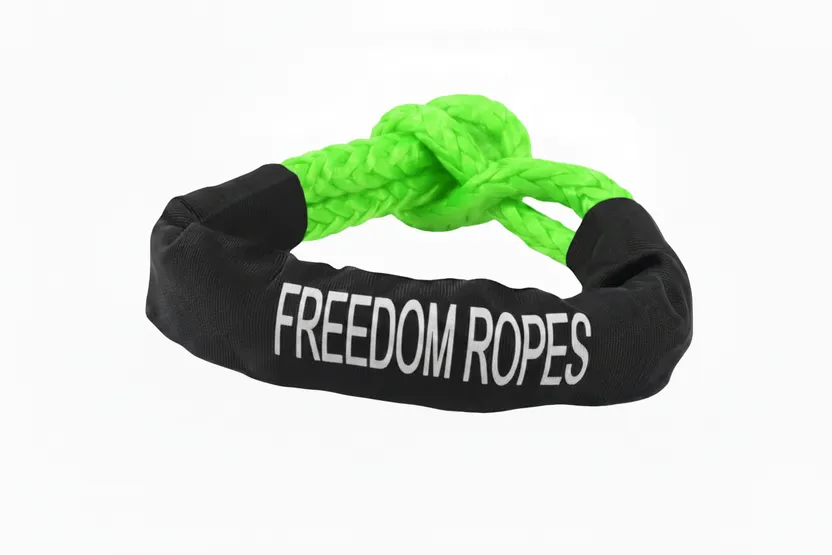
A soft shackle is a connector made from braided synthetic fiber rope instead of forged steel. It links a kinetic recovery rope, tow strap, or winch line to a vehicle's rated recovery point.
Off-roaders use them because they:
- Weigh a fraction of what a steel shackle weighs
- Flex instead of flying if a strap slips or a rope snaps
- Hold up in wet, muddy, or salty conditions without seizing
- Pack down small enough to fit in a door pocket or glovebox
For anyone who drives forest service roads, sand dunes, or rutted farm trails, this small piece of gear belongs next to the recovery rope and a good pair of gloves.
Why Are Soft Shackles Better Than Metal Shackles for Recovery?
Steel shackles have been the default for decades, but they come with real downsides. A steel pin can rust shut. A dropped steel shackle can crack a windshield or dent a bumper. And in a failure, a piece of steel under tension is far more dangerous than a length of rope.
A soft shackle addresses each of those problems:
- No rust or corrosion, since there's no exposed metal
- Lighter recovery point stress, which is easier on hitches, frames, and tow eyes
- Lower rebound energy if something breaks under load
- Faster to rig and un-rig, especially with cold or gloved hands
None of this means metal hardware is obsolete. Shackle mounts and D-rings still matter. But for the actual connection point between rope and vehicle, synthetic has become the practical choice for most weekend and serious off-roaders alike.
Where to Buy Soft Shackles for Off-Roading in the USA?
This is the question that actually matters once you know what you're shopping for. Off-roaders in the United States generally have three routes:
1. A dedicated off-road gear store. Retailers that specialize in recovery equipment, such as Freedom Ropes, test their soft shackles against kinetic ropes and winch lines they also sell, so the whole system is built to work together rather than assembled from mismatched parts.
2. General outdoor or automotive retailers. Big-box stores sometimes stock a generic shackle, but selection is thin and staff usually can't answer questions about break strength or rope compatibility.
3. Marketplace listings. Online marketplaces carry soft shackles from dozens of unlisted manufacturers, and quality varies wildly. Without a published break strength or a real return policy, it's hard to know what you're actually buying.
For drivers who want documented strength ratings, gear that's meant to pair with a kinetic rope, and a seller that stands behind the product, a specialty off-road gear store is typically the more dependable route than a marketplace listing with no manufacturer information attached.
What Should You Look for Before You Buy a Soft Shackle?
Not every soft shackle on the market is built the same way. Before adding one to your cart, check for:
- A published minimum breaking strength (MBS) rated in pounds, not a vague "heavy duty" label
- Diamond-braid or similar high-strength synthetic fiber, such as UHMWPE or nylon blends
- A snug, burn-sealed loop and eye, with no fraying at the splice
- Sizing that matches your rope diameter, since an undersized shackle eye can bind under load
- A recovery bag or storage sleeve, to keep grit and UV exposure away from the fibers
A shackle rated well above your vehicle's gross weight gives you a working safety margin, not just a number on a tag.
How Do You Use a Soft Shackle During a Recovery?
Rigging a soft shackle is simple once you've done it a couple of times:
- Thread the shackle through the eye of the kinetic rope or recovery strap.
- Loop the shackle knob back through its own eye to close the connection.
- Attach the closed loop to a rated recovery point, such as a frame-mounted tow hook or hitch receiver.
- Repeat the same steps on the second vehicle.
- Clear the area of bystanders before applying tension.
Because there's no pin to thread or bolt to torque, most drivers can rig a full kinetic recovery setup in under a minute, even in poor light or cold weather.
How Much Should You Expect to Pay for a Quality Soft Shackle?
Pricing depends on rated strength and rope diameter, but most off-roaders shopping in the United States will see:
- Compact, lighter-duty shackles (rated for UTVs, ATVs, or smaller trucks) in the lower price range
- Mid-size shackles built for full-size trucks and SUVs at a moderate price point
- Heavy-duty shackles, rated well above 100,000 pounds, priced higher due to the fiber volume and testing involved
A soft shackle is a one-time purchase that lasts for years with basic care, so it's worth buying based on rated strength rather than the lowest price on the page.
Why Buy From a Dedicated Off-Road Gear Store Instead of a Big Box Retailer?
A specialty off-road gear store typically sources its shackles alongside kinetic ropes, winch line, and recovery points, which means the components are tested to work as a system. Freedom Ropes, for example, pairs its soft shackles with its own kinetic energy ropes and backs its products with a business built around the off-roading community rather than a general sporting goods aisle.
That kind of focus also tends to mean better answers to specific questions, clearer break-strength documentation, and a smoother return process if a product doesn't fit your setup.
Frequently Asked Questions
Where can I buy soft shackles for off-roading near me in the USA?
Most off-roaders order online from a specialty recovery gear retailer and have the shackle shipped directly, since local sporting goods stores rarely stock a wide range of rated soft shackles.
Are soft shackles legal to use on public trails in states like Colorado or Utah?
Yes. Soft shackles are standard recovery equipment and are permitted anywhere vehicle recovery gear is allowed, including public off-road areas across the western United States.
What size soft shackle do I need for a full-size truck?
Most full-size trucks and SUVs pair well with a 7/16-inch to 1/2-inch soft shackle, though the exact size should match your kinetic rope's eye diameter.
Can I use a soft shackle for both mud and desert recovery?
Yes. A quality soft shackle performs the same in mud, sand, or snow, since the synthetic fiber doesn't absorb moisture the way a strap might.
Do soft shackles wear out faster in hot climates like Arizona or Texas?
UV exposure can shorten the life of any synthetic fiber over time, so storing the shackle in a bag between trips extends its usable life significantly.
How long does a soft shackle typically last with regular off-roading use?
With proper storage and inspection before each use, most soft shackles last several years of regular recovery work.
Is it better to buy a soft shackle bundled with a kinetic rope?
Bundling often costs less than buying each piece separately, and it guarantees the shackle and rope are sized to work together.
What break strength should a soft shackle have for off-road recovery in the USA?
A good rule of thumb is a rated strength at least two to three times your vehicle's gross weight for a working safety margin.
Can soft shackles replace D-rings entirely on my off-road build?
Not entirely. Soft shackles replace the pin-and-bow connector, but you still need a rated recovery point, such as a shackle mount or frame-mounted hook, to attach them to.
Where to buy soft shackles for off-roading in the USA if I want a full recovery kit?
A specialty off-road gear store that sells soft shackles, kinetic ropes, and recovery bags as a set is generally the most straightforward way to build a complete kit in one order.
Final Thoughts
A soft shackle is inexpensive relative to what it protects: your vehicle, your recovery partner's vehicle, and everyone standing nearby. Buying from a retailer that specializes in off-road recovery gear, rather than guessing on a marketplace listing, is the more reliable path to hardware that performs when it's actually needed on the trail.




























Sign in to leave a comment.