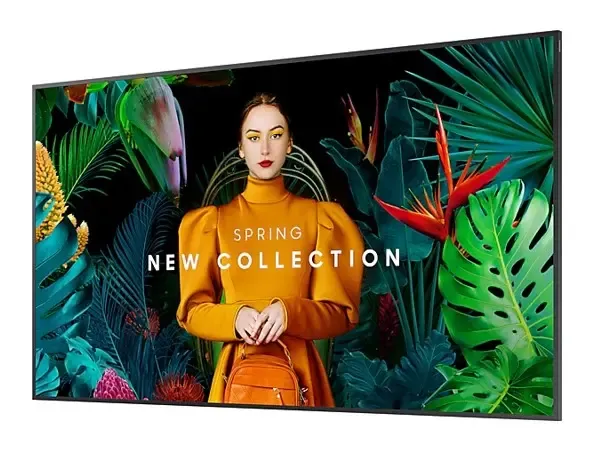

The way people watch television has changed considerably. Instead of waiting for a particular program to come on, viewers can now choose a movie, stream a series, watch live events, play games, listen to music, or share content from another device whenever they want. This flexibility has made modern televisions much more than traditional screens.
That is the appeal of smart TVs. They combine a television display with internet-connected features, built-in applications, and software that lets users access a wide variety of entertainment without necessarily needing a separate streaming device.
But with so many sizes, display technologies, features, and prices available, choosing one can feel overwhelming. A television that looks perfect in a showroom may not necessarily be the best match for your living room. The right choice depends on how you watch, how much space you have, which devices you use, and which features you will actually enjoy.
This guide explains the important things to consider in simple terms, helping you understand what makes a modern television useful and how to choose one that fits your lifestyle.
What Exactly Is a Smart Television?
At its simplest, a smart television is a TV that can connect to the internet and run supported applications.
Think of a traditional television as a radio with a screen: you select a channel and watch whatever is being broadcast. A connected television is more like a smartphone with a much larger display. You can choose from different services, search for content, connect other devices, and personalize parts of the viewing experience.
The exact capabilities vary by manufacturer and model. Common features can include streaming applications, internet connectivity, screen sharing, voice search, Bluetooth connectivity, and access to a manufacturer's app store or platform.
Some models can also interact with compatible smart-home equipment. For example, a supported television may allow you to view certain connected cameras or control compatible devices from the screen.
The important point is that "smart" does not mean every television has exactly the same capabilities. Always check the specifications of the particular model you are considering.
Why Screen Size Can Change the Experience
Size is one of the first things shoppers notice, but it should not be the only consideration.
A bigger display can make films, sports, documentaries, and games feel more immersive. However, a screen that is too large for your room can be uncomfortable if your seating position is very close.
Imagine sitting in the first row of a cinema while watching a movie on an enormous screen. The picture may be impressive, but you might spend more time moving your eyes around than enjoying the scene. Your home setup works in much the same way.
Measure the wall or furniture where the television will go. Then think about where people normally sit. Also remember that the advertised screen measurement usually refers to the diagonal distance from one corner to the opposite corner, rather than the width of the television.
A larger model can be excellent for a spacious family room, while a medium-sized screen may be more sensible for a bedroom or compact entertainment area.
Understanding Resolution Without the Technical Headache
Resolution describes how much visual detail a screen can display.
You can think of the picture as a huge mosaic made from tiny pieces. The more pieces available, the more finely the image can be represented. A 4K television has approximately four times as many pixels as a Full HD television, which can produce noticeably more detail when the content is suitable for it.
This becomes particularly useful on larger screens. Fine details in landscapes, sports footage, faces, and movie scenes can appear clearer when the source is high quality.
However, buying a television with a high resolution does not automatically make every video look perfect. The quality of the original content matters too. A low-quality video cannot magically become highly detailed simply because it is displayed on a high-resolution screen.
That is why it is better to consider resolution alongside picture processing, contrast, brightness, and the quality of the content you normally watch.
Brightness and Contrast Matter
Picture quality is about more than sharpness.
Brightness affects how clearly you can see the image in a room with strong ambient light. If your living room receives plenty of daylight, a screen with good brightness can make viewing more comfortable.
Contrast refers to the difference between dark and bright areas. Strong contrast can help nighttime scenes look deeper while preserving details in shadows.
Imagine watching a movie scene set inside a dimly lit room. A good display should allow you to see both the darker parts of the room and the brighter lamp or window without turning everything into a flat, muddy picture.
HDR, short for High Dynamic Range, is another feature worth understanding. When supported by both the television and the content, HDR can provide a broader range of brightness and help compatible scenes appear more lifelike.
Still, HDR performance differs between televisions. Simply seeing the letters "HDR" on a specification sheet does not tell you exactly how impressive the picture will be.
Choosing the Right Display Technology
Different televisions use different approaches to creating their pictures.
LED-based televisions are widely available and come in a broad range of sizes and prices. They can be a practical choice for everyday viewing and are available with various levels of picture performance.
OLED displays work differently. Each pixel can produce its own light, which allows compatible OLED televisions to achieve extremely deep blacks and strong contrast. This can be especially attractive for movie watching in darker rooms.
Other technologies, including QLED and Mini LED, use different methods to improve brightness, color, contrast, or control of the screen's backlighting.
There is no single technology that is perfect for every household. A person who watches mostly daytime television may value brightness differently from someone who watches films in a dark room.
Instead of choosing a technology simply because it sounds more advanced, consider how you normally use your television.
Sound Is Half the Entertainment
A beautiful picture deserves good sound.
Television manufacturers have made screens increasingly slim, but a thin design can limit the physical space available for powerful speakers. As a result, built-in audio may be fine for news, casual programs, and everyday viewing but less impressive for movies or music.
A soundbar can be a simple upgrade. It can provide a wider and more powerful audio experience without requiring a complicated collection of speakers around the room.
If you plan to add a soundbar, check the television's audio connections and compatibility before buying. HDMI ARC or eARC can be especially useful because compatible equipment can send audio between the TV and sound system through HDMI.
You should also check whether the TV supports the audio formats and connections required by the equipment you already own.
Think About the Apps You Actually Use
One of the biggest advantages of a connected television is convenience.
Instead of switching to a separate streaming box every time you want to watch online content, compatible applications can be available directly from the TV's home screen.
However, app availability is not identical across all brands and models. Services can also change their requirements over time. Before buying, check that the platforms you regularly use are supported.
The design of the interface matters too. A television that takes several steps to find a favorite program can become irritating when used every evening.
Look for a system that makes basic tasks straightforward: opening an application, adjusting volume, changing inputs, searching for content, and switching between different sources.
Why Connectivity Should Be on Your Checklist
Count the devices you plan to connect before purchasing.
You might have a game console, soundbar, streaming device, set-top box, Blu-ray player, or computer. Each may require a suitable connection.
HDMI ports are particularly important because they are commonly used for modern entertainment equipment. Having too few can become inconvenient because you may have to unplug one device whenever you want to use another.
USB ports can also be useful for compatible accessories and certain media functions. Bluetooth may allow supported wireless headphones, speakers, keyboards, or other accessories to connect.
If you use a gaming console, pay close attention to the television's gaming features as well. Some models support higher refresh rates, automatic low-latency settings, and variable refresh rate technology. These features can help games feel smoother and more responsive.
Finding the Right Size for Different Rooms
Different rooms naturally call for different approaches.
A smaller television can work well in a bedroom, study, kitchen, or compact apartment. A medium-sized model may suit a typical family room, especially when seating is not very far away.
Large displays are better suited to rooms where viewers can sit at a comfortable distance. They can create a cinema-like atmosphere, particularly when paired with good sound.
Do not forget about the physical dimensions of the television. A screen might fit the wall perfectly but still be difficult to bring through a narrow staircase or doorway.
If you are purchasing online, compare the listed width, height, and depth with your available space rather than relying only on the screen-size number.
A Closer Look at a Popular Mid-to-Large Screen Choice
For households looking for a substantial display without moving into the very largest screen categories, a Samsung 55 inch smart TV can be an option worth comparing with other televisions in the same size range.
The important thing is not simply the brand name or screen measurement. Look at the particular model's panel technology, picture features, operating system, connections, audio capabilities, and price.
Two televisions with the same screen size can offer very different experiences. One may emphasize gaming, another may focus on picture quality, and another may provide a simpler interface for everyday streaming.
This is why comparing individual models is more useful than assuming every television from a particular size category performs identically.
Make Your Purchase Fit Your Lifestyle
The best television is rarely the one with the longest specification sheet.
If your household mostly watches films and series, prioritize picture quality, contrast, sound options, and a comfortable screen size. If sports dominate your weekends, smooth motion and a bright picture may be particularly useful.
For gamers, responsiveness and compatible gaming features can matter more than some advanced picture functions that they may never use.
Families should also think about usability. A complicated interface can be frustrating when several people share the television. A straightforward menu, convenient remote, and easy access to commonly used services can make a noticeable difference.
When comparing retailers or television options, businesses such as Shams Al Sahil can also be part of your research when looking at available models and features.
Small Details That Improve Everyday Use
Some television features may not sound exciting, but they can make daily use much easier.
Automatic software updates can help keep the TV's built-in platform current. Voice search can make finding a movie or program faster. Screen-sharing features can be convenient when you want to display photos or videos from a compatible phone.
A well-designed remote control can also make a difference. If the buttons are clearly arranged and commonly used functions are easy to reach, you are less likely to spend time searching for the right control.
Energy use is another practical consideration. Look for the relevant energy information when comparing models, especially if the television will be used for many hours each day.
Common Mistakes to Avoid
One common mistake is choosing a television based only on its size. A huge screen with mediocre picture performance may not provide the experience you expect.
Another is ignoring the room's lighting. Reflections can make an otherwise excellent screen frustrating to watch.
Some shoppers also overlook the number of connections they need. It is better to count your devices before purchasing than discover later that you have run out of HDMI ports.
Finally, avoid paying for features simply because they sound impressive. If you rarely play games, advanced gaming specifications may not be a priority. If you mainly watch ordinary broadcast content, you may not need every premium picture feature available.
Spend your budget on the improvements you will actually notice.
Frequently Asked Questions
1. Does a smart TV need the internet?
Most of its online features require an internet connection. You may still be able to use connected devices or watch certain inputs without internet access, but streaming applications and online services generally need a connection.
2. Can I connect a gaming console to a smart television?
Yes. Modern televisions commonly support gaming consoles through HDMI. If gaming is important to you, check the model's supported gaming features before purchasing.
3. Do I need a soundbar with a smart TV?
Not necessarily. Built-in speakers can be sufficient for casual viewing. A soundbar becomes useful when you want fuller, louder, or more cinematic audio.
4. Is a bigger television always better?
No. The ideal size depends on your room, viewing distance, personal preference, and budget. A screen that is too large for your space can be uncomfortable to watch.
5. Should I choose a television based only on resolution?
No. Resolution is important, but brightness, contrast, color, picture processing, display technology, content quality, sound, and software can all influence the overall experience.
Conclusion
Modern televisions have become versatile entertainment hubs rather than simple screens. They can bring streaming, gaming, live programming, music, and compatible connected devices together in one convenient place.
Choosing the right model starts with understanding your own needs. Consider the room, viewing distance, screen size, picture quality, sound, available connections, software experience, and the features you genuinely expect to use.
A little research before buying can prevent disappointment later. Instead of chasing the biggest number or the newest-sounding feature, focus on the qualities that will improve your everyday viewing. When those priorities match your space and habits, your new television can become one of the most enjoyable parts of your home entertainment setup.


















Sign in to leave a comment.