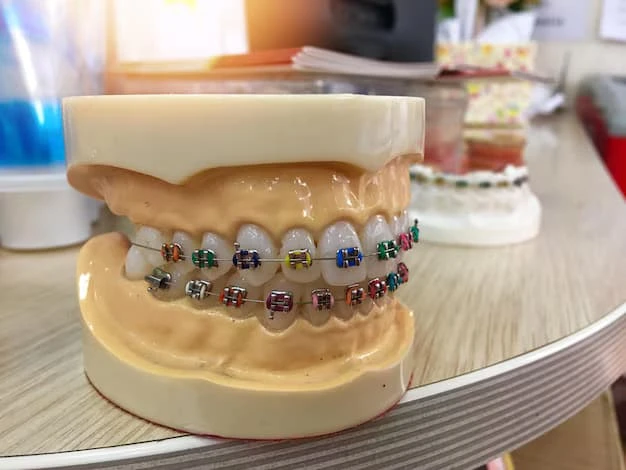

Orthodontic treatments have come a long way, yet traditional metal braces remain one of the most trusted and effective options for straightening teeth. Many people continue to choose them for their durability, affordability, and ability to correct even the most complex dental issues. Caring for traditional metal braces is essential to ensure treatment progresses smoothly and results in a healthy, confident smile. This guide explores everything patients need to know about maintaining oral hygiene, adjusting to daily life, and maximizing the benefits of traditional braces.
Understanding Traditional Metal Braces
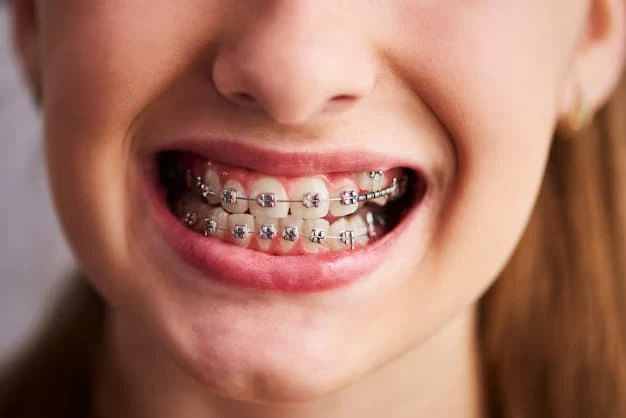
Traditional metal braces have been the standard in orthodontics for decades. They consist of small brackets that are bonded to each tooth and connected with a wire that applies gentle, continuous pressure to shift teeth into alignment.
Why Traditional Metal Braces Are Popular
Metal braces are known for their strength and effectiveness. They are suitable for both children and adults and can correct issues such as overcrowding, gaps, misaligned bites, and severe crookedness. Unlike some other orthodontic options, they can handle complex dental corrections with precision.
The Durability Advantage
One of the reasons traditional braces remain a top choice is their durability. They are less likely to break compared to more delicate alternatives, making them a reliable solution for patients of all ages.
Adjusting to Traditional Metal Braces
The adjustment period is a normal part of starting orthodontic treatment. With patience and preparation, individuals can adapt quickly to life with braces.
The Initial Sensation
After braces are placed, patients may feel mild discomfort or pressure for the first few days as the teeth begin to shift. Over-the-counter pain relief and soft foods can make this period more comfortable.
Speech and Eating Adjustments
Some people notice temporary changes in speech or eating habits. This is usually short-lived, and most adapt within a week or two. Practicing speaking out loud and choosing braces-friendly foods helps with this adjustment.
Oral Hygiene with Traditional Metal Braces
Good oral hygiene is crucial for keeping teeth healthy during treatment. Braces create small spaces where food particles and plaque can accumulate, increasing the risk of cavities and gum disease if not cleaned properly.
Brushing Techniques
Patients should brush their teeth after every meal using a soft-bristled toothbrush. Holding the brush at a 45-degree angle helps clean both the brackets and the gumline. Using fluoride toothpaste strengthens enamel and reduces the risk of decay.
Flossing with Braces
Flossing may feel challenging with wires in place, but special orthodontic flossers or threaders make the process easier. Daily flossing is important to remove debris between teeth where toothbrushes cannot reach.
Using Mouthwash
An antibacterial mouthwash can reduce the buildup of plaque and freshen breath. Rinsing daily with a fluoride mouthwash also provides added protection against cavities.
Eating with Traditional Metal Braces
Diet plays an important role in caring for braces. Certain foods can damage brackets or wires, while others help maintain comfort and oral health.
Foods to Avoid
Patients should avoid hard foods like nuts and popcorn, as well as sticky foods such as caramel and chewing gum. Biting into very crunchy items like apples or carrots should also be avoided, though these can be cut into small pieces and eaten safely.
Braces-Friendly Foods
Soft foods such as yogurt, pasta, rice, bananas, and smoothies are excellent choices, especially in the early days of treatment. These foods are gentle on the teeth and reduce the risk of damaging braces.
Managing Discomfort with Traditional Braces
Some discomfort is natural during orthodontic adjustments, but there are simple ways to ease it.
Orthodontic Wax
Brackets may sometimes irritate the inside of the cheeks or lips. Orthodontic wax provides a protective barrier, making braces more comfortable.
Cold Compress and Soft Foods
Applying a cold compress to the jaw and eating soft foods like soup or mashed potatoes can soothe soreness after adjustments.
Regular Checkups and Adjustments
Visiting the orthodontist regularly is a vital part of successful treatment. These appointments ensure that braces are functioning properly and that progress is on track.
Frequency of Visits
Most patients need to return for adjustments every 4 to 8 weeks. During these visits, wires may be tightened, replaced, or adjusted to guide the teeth further into alignment.
The Importance of Compliance
Attending every appointment and following orthodontic instructions helps shorten treatment time and ensures the best possible outcome.
Protecting Braces During Activities
Braces are strong, but they can still be damaged during certain activities. Taking preventive measures helps keep them intact.
Sports and Physical Activities
Patients who play contact sports should wear a mouthguard to protect both teeth and braces. Custom-fitted mouthguards offer the best comfort and safety.
Nighttime Care
Some people may grind their teeth at night. An orthodontist can recommend solutions to prevent damage during sleep.
Maintaining Motivation During Treatment
Wearing braces is a journey that can last from several months to a few years, depending on the case. Staying motivated is key to achieving the best results.
Tracking Progress
Taking photos before treatment and during each stage helps patients see how far they have come. This visual reminder encourages them to stay committed.
Focusing on the Outcome
The ultimate reward is a healthier, straighter smile. Remembering this goal makes the process easier to embrace, even during challenging moments.
Life After Traditional Metal Braces
Once braces are removed, patients can enjoy the results of their dedication and care. However, maintaining results requires ongoing effort.
Wearing Retainers
Retainers are essential to prevent teeth from shifting back into their original positions. Orthodontists provide specific instructions on how long retainers should be worn.
Continued Oral Hygiene
Good oral care should remain a lifelong habit. Brushing, flossing, and regular dental checkups ensure the smile stays bright and healthy long after treatment.
Conclusion
Caring for your smile with traditional metal braces requires attention to oral hygiene, mindful eating habits, and a positive approach to the journey. With consistent care, regular orthodontic visits, and dedication, patients can achieve a beautifully aligned smile that lasts a lifetime. For those ready to begin their orthodontic journey with trusted care, Clove Dental Beverly Hills is here to help every step of the way.






























Sign in to leave a comment.