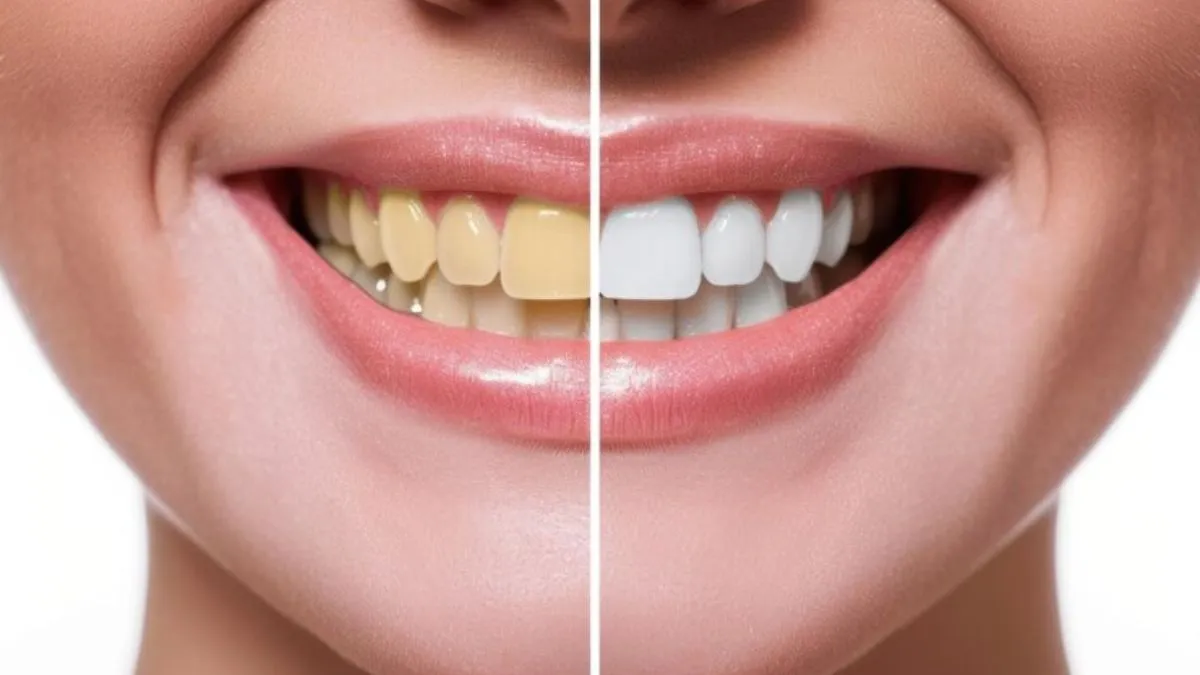

A bright smile can boost your confidence and overall appearance. However, yellow teeth are a common concern caused by a variety of factors. Before exploring solutions, it’s important to understand what causes yellow teeth, as this helps you choose the most effective treatment.
What Causes Yellow Teeth?
Teeth naturally lose their brightness over time, but several lifestyle, medical, and biological factors can speed up this process.
1. Poor Oral Hygiene
Inadequate brushing and flossing allow plaque to build up on teeth. Over time, plaque hardens into tartar, which traps stains and causes a yellow appearance.
2. Staining Foods and Drinks
Regular consumption of pigmented foods and beverages—such as coffee, tea, red wine, soda, and certain sauces—can stain enamel. These pigments stick to the tooth surface and gradually cause discoloration.
3. Smoking and Tobacco Use
Nicotine and tar from tobacco products create stubborn yellow or brown stains that can penetrate deep into enamel, making them harder to remove.
4. Aging and Enamel Wear
As you age, the outer enamel layer naturally wears down. This exposes the underlying dentin, which has a yellowish tone, making teeth appear darker.
5. Genetics and Natural Tooth Color
Some people naturally have thicker enamel or lighter teeth, while others may inherit a more yellow tone. Tooth color can vary from person to person due to genetics.
6. Medications (Especially Antibiotics)
Certain antibiotics, such as tetracycline, can cause tooth discoloration—especially if taken during childhood when teeth are still developing.
7. Excess Fluoride (Fluorosis)
While fluoride is beneficial for teeth, excessive exposure during early development can lead to yellow or brownish spots known as fluorosis.
8. Tooth Injury or Trauma
Accidents or injuries can damage the inner structure of the tooth, leading to discoloration over time.
9. Teeth Grinding (Bruxism)
Grinding your teeth can wear down enamel, exposing dentin and causing teeth to appear more yellow.
10. Plaque and Tartar Between Teeth
Yellowing between teeth is often caused by plaque buildup in hard-to-reach areas. If not removed, it hardens into tartar, which only a dentist can clean.
How to Get Rid of Yellow Teeth
Once you understand the causes, you can take the right steps to restore your smile.
1. Maintain Proper Oral Hygiene
Brush twice daily, floss regularly, and use mouthwash to remove plaque and prevent stains from forming.
2. Use Whitening Toothpaste
Whitening toothpaste helps remove surface stains and gradually improves tooth color with consistent use.
3. Limit Staining Foods and Drinks
Reduce intake of coffee, tea, and sugary beverages. Rinse your mouth with water after consuming them to minimize staining.
4. Try Safe Home Remedies
Options like baking soda or hydrogen peroxide may help reduce mild stains—but should be used carefully to avoid enamel damage.
5. Professional Teeth Whitening
For deeper stains, professional teeth whitening treatments in Decatur provide faster and more noticeable results by targeting discoloration beneath the enamel.
How to Get Rid of Yellow in Between Teeth
Yellow stains between teeth are often harder to remove but can be managed with proper care.
1. Floss Daily
Flossing removes plaque and food particles from tight spaces where brushing cannot reach.
2. Use Interdental Brushes or Water Flossers
These tools are highly effective for cleaning between teeth and preventing tartar buildup.
3. Schedule Professional Cleanings
If tartar has already formed, only a dentist can safely remove it and restore your natural tooth color.
4. Use Antibacterial Mouthwash
Mouthwash helps reduce bacteria and prevents plaque accumulation in hard-to-reach areas.
Tips to Prevent Yellow Teeth
- Brush and floss consistently
- Avoid smoking or tobacco products
- Drink plenty of water
- Visit your dentist regularly
- Maintain a balanced diet
Final Thoughts
Yellow teeth are often the result of a combination of lifestyle habits and natural changes in your teeth. The good news is that most causes are manageable with proper care and professional treatment.
By improving your oral hygiene routine and seeking expert dental care when needed, you can achieve a brighter, healthier smile—and keep it that way for years to come.























Sign in to leave a comment.