

Dental implants have become one of the most trusted and advanced solutions for replacing missing teeth. With ongoing improvements in materials, digital planning, and surgical techniques, implant treatment in 2026 is more precise, comfortable, and predictable than ever. If you’re exploring your tooth replacement options, understanding the types of implants and the step-by-step process can help you make a confident decision.
This complete guide explains how dental implants work, the different types available, and what you can expect from consultation through final restoration.
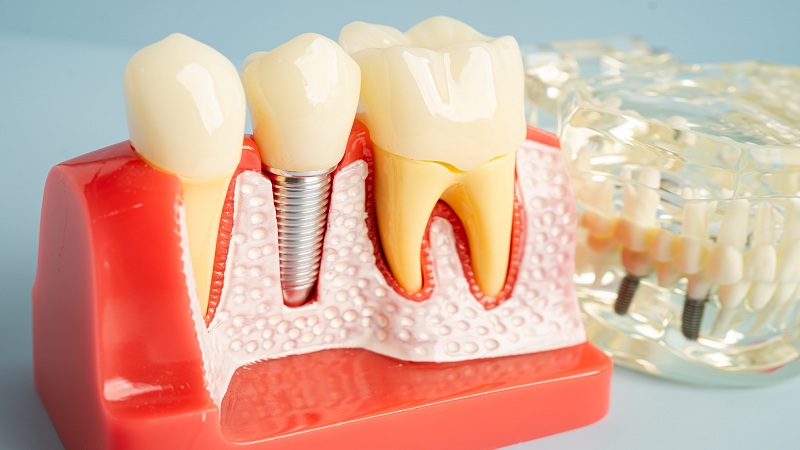
What Are Dental Implants?
Dental implants are artificial tooth roots, typically made of biocompatible titanium or ceramic, that are placed into the jawbone to support replacement teeth. Once healed, they serve as a sturdy base for crowns, bridges, or full-arch restorations. Unlike removable dentures, implants are fixed in place and designed to function like natural teeth.
Modern implant systems are designed to integrate with bone, creating long-term stability and helping preserve jaw structure.
Types of Dental Implants in 2026
Implant dentistry has evolved to offer multiple options depending on bone levels, number of missing teeth, and patient goals.
Endosteal Implants
These are the most common type. They are placed directly into the jawbone and later topped with a crown or bridge. They work well for most patients with adequate bone support.
Subperiosteal Implants
These sit on top of the jawbone but under the gum tissue. They are sometimes used when bone height is limited and grafting is not ideal.
Single-Tooth Implants
Used to replace one missing tooth without affecting neighboring teeth. A single implant post supports one custom crown.
Implant-Supported Bridges
Ideal when several teeth are missing in a row. Instead of placing an implant for every tooth, a few implants support a fixed bridge.
Full-Arch / Same-Day Systems
Often known as “teeth in a day” concepts, these use a small number of implants to support a full arch of teeth. They are popular for patients transitioning from dentures.
Step-by-Step: The Implant Treatment Process
While each case is customized, most implant treatments follow a similar sequence.
Step 1: Consultation and Digital Evaluation
Your dentist performs an exam, 3D imaging, and health review. Bone levels, bite forces, and gum health are evaluated. A personalized treatment plan is created.
Step 2: Treatment Planning
Digital planning software helps determine exact implant position, angle, and depth. This improves safety and long-term success.
Step 3: Implant Placement
The implant post is placed into the jawbone under local anesthesia or sedation. The procedure is typically quicker and more comfortable than many patients expect.
Step 4: Healing and Integration
Over the next few months, the implant fuses with the bone (osseointegration). Temporary teeth may be provided depending on the case.
Step 5: Abutment and Final Restoration
A connector (abutment) is attached, and a custom crown, bridge, or denture is secured on top. The final result is designed to match your natural smile.
Key Advantages of Dental Implants
Dental implants remain the gold-standard tooth replacement for several reasons:
- They replace both tooth and root
- They help prevent jawbone shrinkage
- They do not rely on adjacent teeth for support
- They feel stable and natural while chewing
- They can last decades with proper care
- They improve speech and comfort compared to loose dentures
- They support facial structure and aesthetics
Our dental office Druid Hills Dental Decatur provides dental implants in Decatur, helping patients restore function and confidence with modern techniques.
Recovery and Aftercare Basics
Healing is usually straightforward. Mild soreness for a few days is normal. Most patients return to routine activities quickly. Good aftercare includes:
- Eating soft foods initially
- Keeping the area clean
- Avoiding smoking
- Attending follow-up visits
- Maintaining daily oral hygiene
Long-term implant success depends heavily on home care and professional maintenance.
Frequently Asked Questions (FAQ)
Q1: Are dental implants painful?
Most patients report the procedure is easier than expected. Local anesthesia and sedation options keep you comfortable. Post-procedure soreness is usually mild and temporary.
Q2: How long do dental implants last?
With good oral hygiene and regular dental visits, implants can last decades. Many last a lifetime. The crown on top may need replacement over time due to wear.
Q3: Who is a good candidate for implants?
Most healthy adults with sufficient bone support are candidates. Even if bone is limited, grafting or alternative techniques may make implants possible.
Q4: How long does the full process take?
Typical timelines range from 3–6 months, depending on healing and whether grafting is needed. Some full-arch cases allow same-day temporary teeth.
Q5: Are implants better than dentures or bridges?
Implants are often more stable and longer-lasting. They also help preserve bone, which dentures and traditional bridges do not.
Q6: How do I care for dental implants?
Care is similar to natural teeth — brush twice daily, floss, and schedule professional cleanings and exams.
Q7: Is age a limitation?
There is no upper age limit. Overall health and bone condition matter more than age alone.




























Sign in to leave a comment.