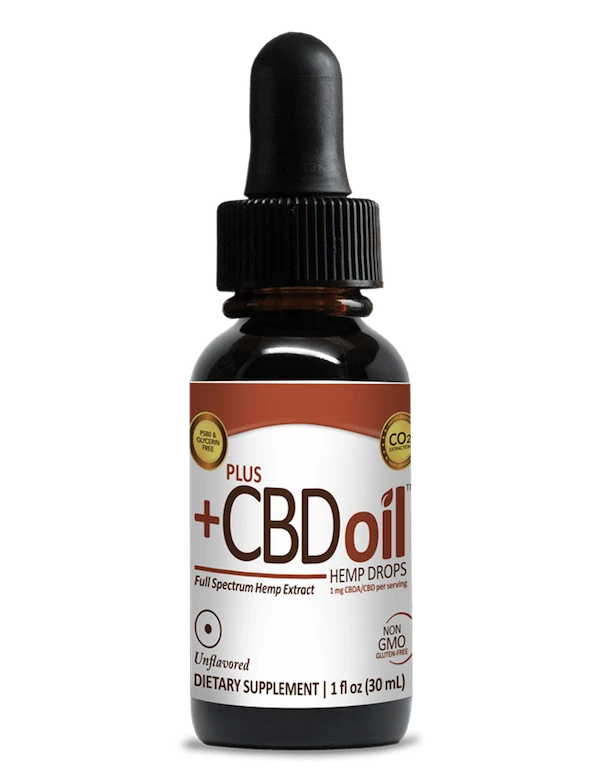

Cannabidiol, commonly known as CBD, has become a popular natural remedy for various health issues. It is one of the many compounds found in the cannabis plant and is known for its potential therapeutic benefits. Among the many uses of CBD, pain relief is one of the most well-known and widely studied. Here, we will explore how CBD oil may help alleviate pain.
How to Use CBD Oil for Pain Relief
CBD oil can be used in various forms, including tinctures, capsules, topicals, and edibles. The most common form of CBD oil is tincture, which is taken sublingually (under the tongue) and absorbed into the bloodstream through the mucous membranes.
When using CBD oil for pain relief, it is important to start with a low dose and gradually increase it until you find the optimal dose that works for you. The optimal dose can vary depending on factors such as body weight, metabolism, and the severity of pain.
It is also important to choose high-quality CBD oil from a reputable source. Look for CBD oils that are third-party tested for purity and potency.
How CBD Works for Pain Relief
CBD interacts with the endocannabinoid system (ECS), a complex network of receptors, enzymes, and endocannabinoids that help regulate various bodily functions, including pain perception. The ECS is responsible for maintaining homeostasis, or balance, in the body.
CBD has been found to have anti-inflammatory and analgesic properties, which means it may help reduce pain and inflammation. It works by interacting with the CB1 and CB2 receptors in the ECS, which are involved in pain signaling. CBD can also interact with other receptors and neurotransmitters, such as serotonin and vanilloid receptors, which can influence pain perception.
Types of Pain: CBD Oil May Help Alleviate
There are different types of pain, and CBD oil may be helpful for various types of pain, including:
Chronic Pain: CBD may help alleviate chronic pain, which is pain that lasts for weeks, months, or even years. Chronic pain can be caused by conditions such as arthritis, fibromyalgia, or multiple sclerosis.Neuropathic Pain: Neuropathic pain is caused by damage to the nervous system and can be chronic or acute. CBD may help alleviate neuropathic pain by reducing inflammation and modulating pain signaling.Acute Pain: Acute pain is a type of pain that comes on suddenly and is typically caused by an injury, surgery, or other trauma. CBD may help alleviate acute pain by reducing inflammation and promoting healing.Cancer Pain: Cancer-related pain can be chronic or acute and can be caused by the disease itself or the treatments, such as chemotherapy or radiation therapy. CBD may help alleviate cancer-related pain by reducing inflammation and modulating pain signaling.
CBD oil has been found to have potential benefits for pain relief, including chronic pain, neuropathic pain, acute pain, and cancer-related pain. When using CBD oil for pain relief, it is important to start with a low dose and gradually increase it until you find the optimal dose that works for you. Choosing high-quality CBD oil from a reputable source that is third-party tested for purity and potency is also important. If you are looking for the best CBD oil for pain relief, it is recommended that you do thorough research and consult with a healthcare professional.
Conclusion:
CBD oil may help alleviate pain by interacting with the endocannabinoid system and reducing inflammation. It has been found to be potentially beneficial for various types of pain, including chronic, neuropathic, acute, and cancer-related pain. When using CBD oil for pain relief, it is important to start with a low dose and gradually increase it until you find the optimal dose that works for you. As with any supplement or medication, it is important to consult with your healthcare provider before using CBD oil, especially if you are taking other medications or have underlying medical conditions.



























Sign in to leave a comment.