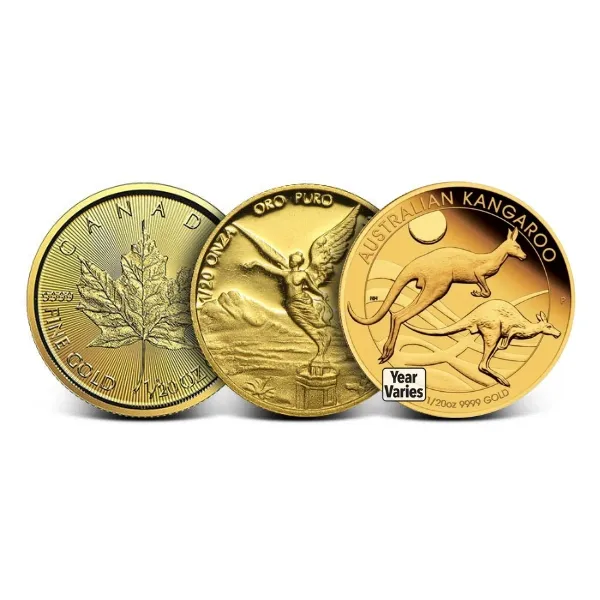

Central Banks Are Quietly Redefining Gold as a Strategic Reserve Asset
A Structural Shift in Global Reserve Strategy
Central banks around the world are quietly but consistently increasing their focus on gold as a core reserve asset. While fiat currencies—especially the U.S. dollar—still dominate global reserves, gold is being re-evaluated as a neutral, politically independent store of value. This shift is not driven by short-term speculation but by long-term concerns over currency stability, geopolitical fragmentation, and financial system resilience. As a result, gold bullion holdings are becoming a more strategic component of national balance sheets, influencing long-term gold price trends in global markets.
Why Central Banks Are Increasing Gold Bullion Reserves
The renewed accumulation of gold bullion by central banks is largely driven by risk diversification. In an era of sanctions, frozen reserves, and rising geopolitical tensions, gold offers something fiat currencies cannot: independence from counterparty risk. Unlike foreign exchange reserves, physical gold cannot be devalued by another country’s monetary policy or restricted through financial systems. This makes it an essential hedge against systemic uncertainty and a stabilizing force within national reserve portfolios.
Gold Price Implications of Central Bank Buying
Sustained central bank demand has become a key structural driver of the gold price. Unlike retail or speculative demand, central bank purchases tend to be long-term and price-insensitive, reducing available supply in global markets. This creates a stronger price floor over time and increases sensitivity to supply shocks. As more countries diversify reserves into gold bullion, the market experiences a gradual but persistent upward pressure on pricing, even during periods of weaker industrial demand or temporary economic slowdown.
Geopolitics, De-Dollarization, and Financial Fragmentation
Geopolitical fragmentation and the gradual shift away from dollar-centric reserves—often referred to as de-dollarization—are accelerating gold’s strategic role. Countries are increasingly seeking assets that are outside the control of any single political system. In this environment, gold bullion functions as a universally accepted reserve instrument that can be held, stored, and transferred without exposure to sanctions or currency manipulation. This reinforces its importance in an increasingly multipolar global financial system.
Gold Bullion as a Long-Term Reserve Anchor
Unlike paper assets or sovereign debt instruments, physical gold bullion provides direct ownership of value that is not dependent on institutional stability. Central banks prefer bullion stored in secure vaults because it ensures immediate liquidity in times of crisis. This preference is reshaping reserve composition globally, where gold is no longer just a hedge but a foundational reserve anchor. Over time, this structural demand supports both confidence in monetary systems and long-term strength in the gold price cycle.
The Future of Gold in the Global Monetary System
As global uncertainty persists, gold’s role in the monetary system is expected to expand further. Central banks are unlikely to abandon fiat currencies, but they are clearly strengthening their balance sheets with gold bullion reserves as a safeguard against volatility. This dual-asset strategy—fiat for liquidity and gold for security—signals a more cautious and diversified financial era. In this evolving landscape, the gold price will continue to reflect not only market demand but also the strategic priorities of nations.






























Sign in to leave a comment.