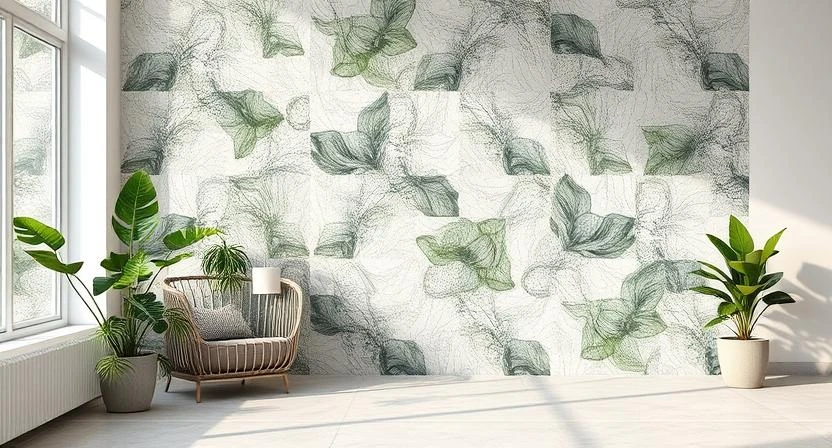

Architectural design has always been about combining aesthetics with function. As the industry evolves, new technologies are shaping how architects and designers conceive and execute their visions. Ceramic printing stands out as an innovative method that expands the possibilities of surface decoration in architecture. It allows for the creation of customized, durable, and visually striking ceramic elements that can be integrated into walls, floors, facades, and more.
It is essential to emphasize how ceramic printing enhances architectural projects by offering endless design flexibility and robustness. Architects can now produce unique patterned tiles, large-scale murals, and intricate motifs that withstand weather and wear, providing both artistic and practical benefits.
Custom Patterns and Large-Scale Murals
Ceramic printing opens new horizons for architectural creativity by enabling the printing of custom patterns directly onto tiles or panels. These patterns can be geometric, floral, abstract, or even photographic, offering a wide range of visual expressions. Large-scale murals become feasible with ceramic printing, as multiple tiles can be printed in a coordinated manner to form seamless images on walls or floors.
This capability allows architects to personalize spaces, creating memorable environments that reflect cultural themes, branding, or artistic concepts. It also supports storytelling through design, making architecture a medium for communication.
Durable Surface Finishes for High-Traffic Areas
Buildings with heavy foot traffic, such as airports, shopping centers, and office complexes, require surfaces that can endure constant use without compromising appearance. Ceramic printing produces tiles and panels with printed designs that are baked into the ceramic, making them resistant to scratching, fading, and chemicals.
This durability ensures that architectural elements maintain their visual appeal over time, reducing maintenance costs and the need for frequent replacements. Designers can specify ceramic printed surfaces for areas that demand both beauty and resilience.
Weather-Resistant Facades
The exterior cladding of buildings must withstand rain, sun, wind, and temperature changes. Ceramic printed panels or tiles offer excellent resistance to these elements. They do not deteriorate easily under UV exposure, and the inks used are designed to remain vibrant and intact for many years.
This makes ceramic printing a suitable choice for facade decoration, where architects want to incorporate bold visuals or intricate designs without sacrificing longevity or requiring complex upkeep.
Integration with Sustainable Building Materials
Ceramic printing aligns well with the growing trend toward sustainable architecture. Ceramic itself is an environmentally friendly material with a long lifespan. Printed ceramic elements can be combined with eco-friendly insulation and structural materials to create buildings that perform well environmentally and aesthetically.
By choosing ceramic printing for decorative surfaces, architects support green building practices while enhancing the visual impact of their projects.
Seamless Design in Interior Spaces
Interior architects use ceramic printing to create cohesive design themes. For example, printed ceramic tiles can extend patterns from walls to floors, or coordinate with furniture and fixtures to achieve harmonious environments. The precision of ceramic printing ensures consistent color and pattern matching.
This seamless design approach improves user experience in spaces like hotels, restaurants, and healthcare facilities, where atmosphere and mood influence wellbeing.
Cost-Effective Customization
Traditional methods of creating custom architectural elements can be expensive and time-consuming. Ceramic printing offers a cost-effective alternative by digitizing the design process and reducing manual labor. Architects can quickly prototype and produce unique designs without investing in expensive molds or handcrafting.
This affordability encourages more experimentation and innovation in architectural projects, making custom decorative elements accessible for a wider range of budgets.
Collaboration with Artists and Designers
Ceramic printing facilitates collaborations between architects, artists, and graphic designers. By digitizing artwork and applying it to ceramic surfaces, these professionals can merge disciplines and push creative boundaries. This multidisciplinary approach enriches architectural projects and adds cultural or conceptual depth.
Collaborative ceramic printing projects often result in iconic installations or signature building features that attract public attention and acclaim.
Ease of Maintenance and Cleaning
Printed ceramic surfaces are non-porous and easy to clean, which is advantageous for public and commercial buildings. Dirt, stains, and graffiti can be removed without damaging the printed design. This ease of maintenance extends the lifespan of decorative elements and maintains hygiene standards.
Architects specifying ceramic printing for hospitals, schools, or transit stations can rely on this practical benefit.
Versatility in Scale and Application
Ceramic printing technology can be applied to a variety of sizes and shapes. From small decorative tiles to large-format panels and even curved surfaces, ceramic printing adapts to diverse architectural needs. This versatility supports creativity and functional requirements simultaneously.
Architects can confidently incorporate ceramic printed elements in unusual or complex areas without compromising design integrity.
Conclusion
Ceramic printing revolutionizes architectural design by combining durability, customization, and artistic freedom. It enables architects to create surfaces that are both visually stunning and resilient, suitable for interiors, exteriors, and high-traffic areas. As a sustainable and cost-effective solution, ceramic printing is becoming an essential tool for modern architectural projects that seek to blend beauty with function.























Sign in to leave a comment.