

Designing spaces and decorative objects today requires a balance between creativity, durability, and personalization. From residential interiors to commercial spaces and art installations, ceramic surfaces are widely used for their elegance and practicality. Traditional ceramic decoration methods often involve manual painting, stenciling, or limited pattern options, which can be time-consuming and restrict design possibilities.
Ceramic printing has transformed the way designs are applied to ceramic surfaces. By enabling intricate patterns, vibrant images, and customized designs to be printed directly onto tiles, tableware, and decorative panels, ceramic printing combines artistry with technology. This method ensures long-lasting color, detailed design reproduction, and versatile applications suitable for homes, businesses, and artistic projects. With ceramic printing, ordinary ceramic items can be transformed into personalized, visually captivating elements that elevate interior aesthetics and offer durable, functional solutions.
How Ceramic Printing Works?
Ceramic printing involves applying designs onto ceramic surfaces using specialized methods, followed by firing or baking to permanently embed the design. This process guarantees durability, resistance to wear and moisture, and vibrant, long-lasting colors.
Digital Inkjet Printing
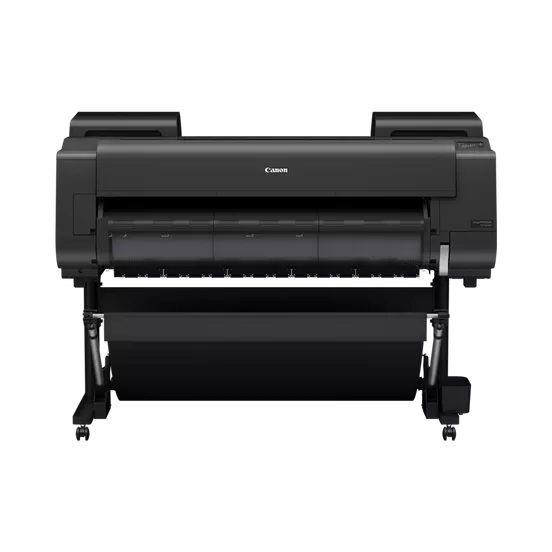
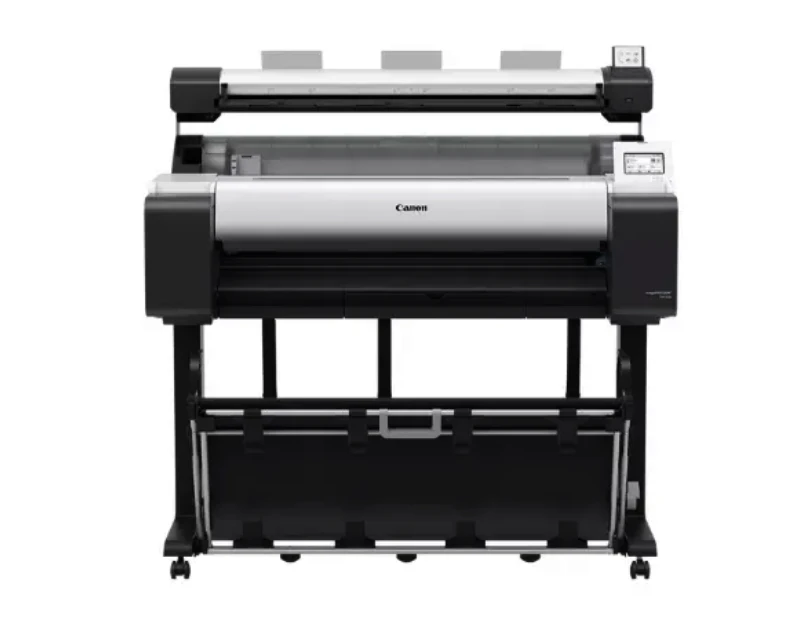
Digital inkjet printing allows high-resolution designs to be applied directly to ceramic surfaces. This technique is perfect for reproducing photographs, gradients, and intricate patterns. The ceramics are fired after printing to ensure the design is permanently fused.
Screen Printing
Screen printing uses stencils and mesh screens to apply ceramic pigments layer by layer. Each color is applied separately, and the final product is fired to set the design. This method is ideal for bold patterns, repeated motifs, and larger production runs.
Decal Transfer Printing
Decal transfers involve printing the design on special paper, placing it on the ceramic surface, and then firing it to permanently fuse the design. This technique is suitable for highly detailed artwork, custom tableware, and decorative ceramics.
Applications of Ceramic Printing
Residential Interiors
Ceramic printing allows homeowners to personalize tiles, kitchen backsplashes, bathroom walls, and decorative tableware. Custom designs provide uniqueness, elegance, and visual appeal while reflecting individual style.
Commercial and Hospitality Spaces
Businesses, hotels, restaurants, and offices can utilize ceramic printing for branding, creating thematic interiors, and producing visually striking decorative items that leave lasting impressions on clients and visitors.
Artistic Projects
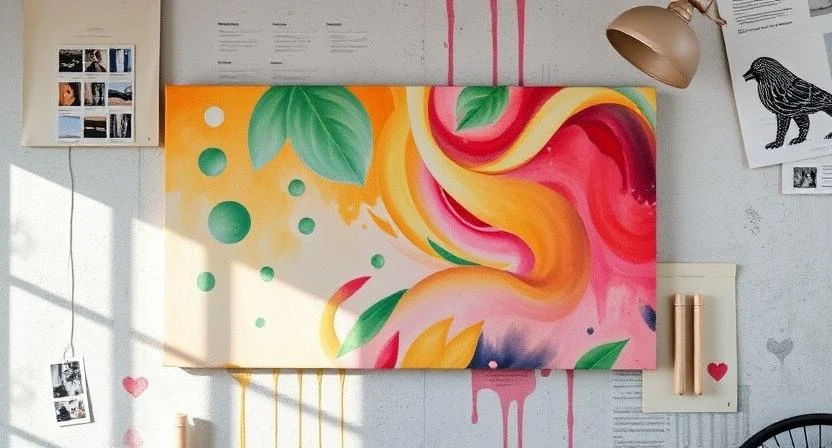
Artists benefit from ceramic printing by reproducing complex designs and vibrant images on ceramics. This technique is suitable for murals, sculptures, gallery installations, and custom art projects, offering both precision and durability.
Benefits of Ceramic Printing
Customization
Ceramic printing allows complete personalization, enabling designers, homeowners, and businesses to create unique patterns, images, and designs on ceramic surfaces.
Durability
Printed designs are permanently fused into the ceramic, making them resistant to scratches, fading, and moisture. This ensures long-lasting beauty and functionality.
Versatility
Ceramic printing can be applied to a wide variety of surfaces, including tiles, plates, panels, and large-scale artistic installations, offering creative flexibility.
Cost Efficiency
Compared to hand-painted or individually crafted ceramics, ceramic printing saves time, reduces labor costs, and ensures consistent, high-quality results, making it practical for large-scale projects.
Tips for Effective Ceramic Printing
Design Planning
Careful consideration of colors, patterns, and layout ensures professional and visually appealing outcomes.
High-Quality Materials
Using durable ceramics and compatible inks guarantees vibrant designs, longevity, and performance.
Installation Accuracy
Precise alignment for tiles and panels ensures a seamless and polished appearance, especially for large-scale decorative applications.
Future Trends in Ceramic Printing
Technological advancements continue to expand the possibilities of ceramic printing. Eco-friendly inks, 3D printing integration, textured surfaces, and larger formats allow more personalized, intricate, and sustainable designs. These developments provide designers and artists with greater creative freedom and efficiency.
Conclusion
Ceramic printing is a modern, innovative, and versatile technique that turns ordinary ceramics into custom, durable, and visually striking creations. From home décor and commercial spaces to artistic installations, ceramic printing enables detailed patterns, vibrant images, and personalized designs to be permanently embedded onto ceramic surfaces. By leveraging proper materials, planning, and execution, ceramic printing enhances both aesthetics and functionality, making it a valuable tool for creative, practical, and long-lasting decorative solutions.


























Sign in to leave a comment.