

When planning to settle abroad, having valid documents is an essential part of the process. Foreign authorities, universities, employers, and government departments may require Indian certificates to be authenticated before accepting them. This is where Certificate Attestation in Delhi becomes important for individuals preparing their documents for international use.
Certificate attestation helps establish the authenticity of a document by verifying the signatures, seals, and issuing authority through the required authentication channels. The exact procedure can differ depending on the document type, destination country, and purpose of use.
Why Do You Need Certificate Attestation?
Foreign universities, employers, immigration authorities, government departments, and other institutions may request authenticated certificates before accepting documents issued in India.
Common reasons include:
- Employment and overseas job applications
- Higher education and university admission
- Work permit or employment visa applications
- Family and dependent visa procedures
- Immigration and residency documentation
- Marriage-related formalities
- Business and professional requirements
The exact requirements can vary according to the destination country, document category, and purpose of submission. Therefore, checking the receiving authority's requirements before starting the process is an important step.
Which Certificates Can Be Attested?
Different categories of documents can require authentication. Educational certificates such as degrees, diplomas, and school certificates may follow a different authentication route from personal documents.
Common documents include:
- Degree and diploma certificates
- Educational mark sheets
- Birth certificates
- Marriage certificates
- Affidavits
- Power of Attorney
- Experience certificates
- Commercial documents
- Other documents required by foreign authorities
The MEA states that educational documents generally require authentication by the designated education authority, while personal documents may require authentication through the relevant State or Union Territory authority before MEA processing.
What Is the General Attestation Process?
The process depends on the destination country and type of certificate. A typical route may include several stages.
1. Document Verification
The certificate is first checked and authenticated by the appropriate issuing or designated authority. Educational and personal documents can have different pre-authentication requirements.
2. State-Level Authentication
Depending on the document, authentication may be completed through the relevant State Government department or designated authority. This stage helps establish the authenticity of the document before further processing.
3. MEA Attestation or Apostille
After the required pre-authentication, the document can proceed to the Ministry of External Affairs. The MEA provides Apostille services for Hague Convention member countries and normal attestation for countries where Apostille is not accepted.
4. Embassy or Consulate Legalisation
For destinations requiring embassy legalisation, the authenticated document may need to be submitted to the concerned embassy or consulate. Additional requirements can vary between countries.
Why Choose Professional Assistance in Delhi?
Handling several authentication stages independently can require understanding the requirements of different authorities. A professional service provider can help applicants understand the documentation route, prepare certificates for submission, and coordinate the required stages.
Talent Attestation provides assistance for individuals who need certificate authentication for overseas purposes. Its support can be useful for applicants managing educational, personal, employment, and other documents for international use.
For applicants looking for Certificate Attestation in Delhi, professional guidance can help them understand which authentication route may apply to their specific certificate and destination country.
What Should You Check Before Applying?
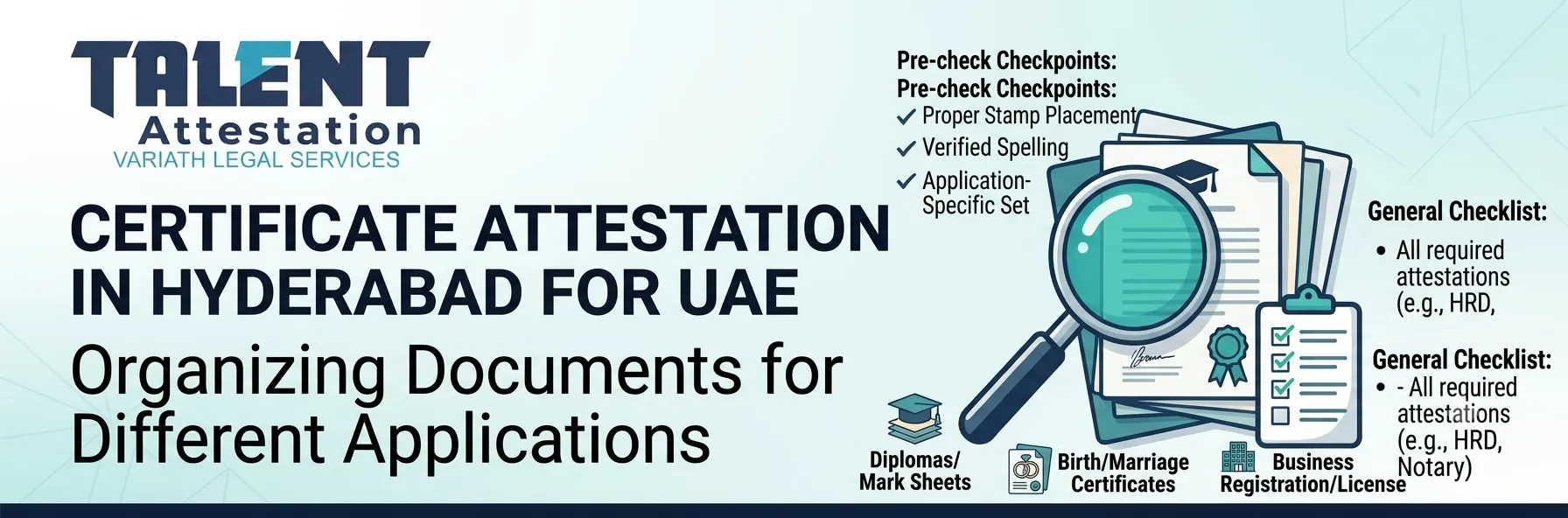
Before submitting your documents, keep the following points in mind:
- Confirm the destination country's document requirements.
- Identify whether Apostille or normal attestation is required.
- Check whether your certificate needs state-level pre-authentication.
- Keep the original certificate available.
- Verify spelling, dates, names, and other details on the document.
- Check whether additional documents such as a passport copy are required.
- Understand whether embassy legalisation is required after MEA processing.
The MEA's current Citizen's Charter states that documents submitted for Apostille or attestation need to meet the applicable pre-authentication requirements, and it provides official service procedures and timelines.
Make Your Overseas Documentation More Organized
Certificate authentication is an important part of preparing Indian documents for international use. Since requirements can differ based on the country, document type, and purpose, applicants should identify the correct procedure before beginning the process.
With proper document preparation and professional guidance, the overall journey can be handled in a more structured way. Talent Attestation assists applicants with documentation requirements and authentication procedures for overseas use.
If you are preparing documents for employment, education, immigration, marriage, or other international requirements, understanding the appropriate attestation route can help you move forward with greater clarity and confidence.






















Sign in to leave a comment.