For many, Las Vegas is a playground—a place of bright lights, late nights, and the thrill of the win. But for those looking for a stable, lucrative, and exciting career, the casino floor represents something else entirely: opportunity. Dealing table games is an art form, a performance, and a highly skilled profession that keeps the heart of the city beating.
If you have ever watched a dealer effortlessly shuffle a deck or manage a craps table and wondered if you could do the same, the answer is yes. But you can't just walk onto the floor at the Bellagio and start dealing cards. You need training, precision, and certification. This is where attending a top-tier dealer school in Las Vegas becomes the first step toward a new future.
Why Become a Casino Dealer?
Before diving into the "how," it is important to understand the "why." A career in dealing offers a unique blend of benefits that traditional 9-to-5 jobs often lack.
Earning Potential
The base hourly wage for a dealer is just the beginning. The real income comes from tips (tokes). In a busy Las Vegas casino, a skilled dealer with a friendly personality can earn a significant income, often rivalling that of corporate professionals. The harder you work and the better experience you provide for the players, the more you can earn.
Flexibility and Mobility
Casinos operate 24/7, 365 days a year. This allows for incredible flexibility in scheduling. Whether you are a night owl or an early riser, there is a shift that fits your lifestyle. Furthermore, the skills you learn in a dealer school in Las Vegas are transferable. While Vegas is the mecca, casinos exist all over the world, from cruise ships to resorts in Asia and Europe.
Job Security
Despite economic fluctuations, the gaming industry remains a powerhouse in Nevada. As new resorts open and existing ones expand, the demand for professional, well-trained dealers remains constant.
What You Will Learn in Dealer Training
Professional training is rigorous. Casinos expect perfection because money is on the line. A comprehensive program at a dealer school Las Vegas will cover the mechanics, mathematics, and procedures of the most popular table games.
Blackjack
Often the first game students learn, Blackjack requires speed and accuracy. You will learn deck handling, chip cutting, payouts, and how to spot "advantage players" or card counters. Mastering the shuffle and the pitch is crucial for maintaining the pace of the game.
Poker
Poker dealing is a different beast entirely. It is not player-vs-house; it is player-vs-player. The dealer facilitates the action. Training involves learning the various forms of poker (Texas Hold'em, Omaha, Seven Card Stud), managing the pot, calculating the rake, and maintaining control over the table during heated moments.
Craps
Craps is widely considered the most difficult game to master, but also the most rewarding. It involves complex payouts, stick handling, and managing a fast-paced environment with multiple players betting simultaneously. A dealer who can handle a busy craps table is a valuable asset to any casino.
Roulette
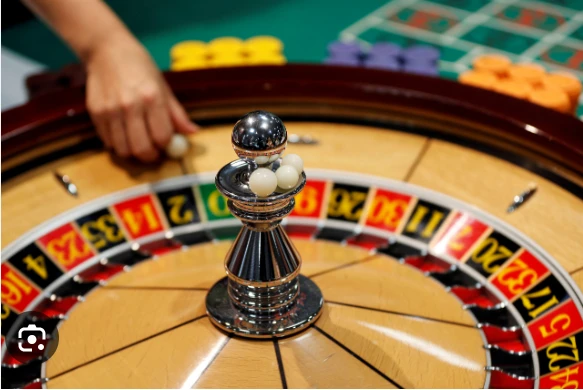
Roulette requires a specific finesse. You will learn to spin the wheel and the ball in opposite directions, manage the layout, and calculate complex payouts quickly without slowing down the game. Pattern recognition and mental math are key skills honed during training.
Baccarat
Once the game of high rollers, Baccarat is now popular on the main floor. Training covers the strict rules of the draw (tableau), handling high-value chips, and maintaining the sophisticated atmosphere associated with the game.
The Importance of Professional Instruction
You might think you can learn these games by watching YouTube videos or practicing at home, but casino managers can spot a self-taught dealer instantly. Professional schools simulate the actual casino environment.
Instructors are typically veterans of the industry with years, sometimes decades, of experience on the floor. They don't just teach you the rules; they teach you game protection—how to stop cheaters—and customer service. They teach you how to stand, how to hold your hands to show the cameras they are empty ("clearing your hands"), and how to interact with players who are losing money while keeping the atmosphere fun.
Furthermore, reputable schools often have relationships with hiring managers. They can provide job placement assistance, helping you land auditions with major casinos once you have completed your course.
What to Expect During Your Training
Enrolling in a dealer school in Las Vegas is a commitment to learning a trade. Here is what the typical journey looks like:
Hands-On Practice
The vast majority of your time will be spent standing at a table, dealing cards, and handling chips. Muscle memory is essential. You will practice the same motions thousands of times until they become second nature.
Audition Preparation
The final exam for a dealer is an audition. You will go to a casino, walk into the pit, and deal to a pit boss or shift manager. They will test your technical skills, your math, and your personality. Your school will run mock auditions to ensure you are ready for the pressure of the real thing.
Licensing
To work in a casino in Nevada, you need a gaming license. Your school will guide you through the process of applying for your credentials with the Nevada Gaming Control Board, ensuring you have all the necessary paperwork to start working as soon as you are hired.
Choosing the Right Path
Las Vegas was built on gaming, and the industry continues to thrive. Whether you are looking for a complete career change, a part-time gig to supplement your income, or a job that allows you to travel the world, dealing offers a pathway.
It starts with the right foundation. By investing in professional training at a dealer school in Las Vegas, you aren't just learning a game; you are learning a trade that can support you for a lifetime. The tables are waiting—are you ready to deal yourself in?


Sign in to leave a comment.