Introduction
Soil fertility is the cornerstone of successful agriculture. Farmers and horticulturists constantly seek methods to improve crop productivity while maintaining sustainable practices. The increasing focus on organic farming has led to a renewed interest in natural fertilizers that provide nutrients without the environmental downsides associated with synthetic chemicals. Among these, guano organic fertilizer is a highly effective option. Its nutrient-rich composition offers numerous benefits for soil health and plant growth.
Understanding the origins, benefits, and application of guano organic fertilizer can help growers make informed decisions and achieve optimal results.
What is Guano Organic Fertilizer?
Guano organic fertilizer is derived from the droppings of seabirds, bats, or other wildlife that accumulate over time in colonies or caves. These deposits naturally contain high levels of nitrogen, phosphorus, and potassium, which are essential macronutrients for plants. In addition, guano contains trace minerals and organic matter that enhance soil structure and microbial activity.
Historical Significance
The use of guano as a fertilizer dates back centuries. It was a major agricultural resource during the 19th century and played a key role in boosting crop yields worldwide. Farmers recognized its effectiveness in promoting healthy plant development and improving soil fertility.
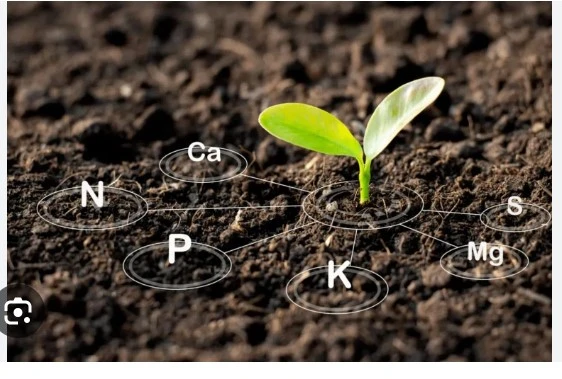
Nutritional Profile
The primary nutrients in guano organic fertilizer include:
- Nitrogen (N): Essential for leafy growth and chlorophyll production
- Phosphorus (P): Supports strong root systems and flowering
- Potassium (K): Enhances fruiting, overall plant health, and resistance to diseases
Additionally, guano organic fertilizer beneficial microorganisms and organic compounds that improve nutrient availability and soil structure.
How Guano Organic Fertilizer Improves Soil
Enhancing Soil Structure
Incorporating guano into soil improves aeration and water retention. The organic matter helps loosen compacted soils and promotes a favorable environment for root growth. Improved soil structure allows plants to access nutrients and water more efficiently.
Nutrient Release
Unlike chemical fertilizers, guano organic fertilizer releases nutrients gradually. This slow-release property ensures that plants receive a steady supply of essential elements throughout the growing season, reducing the risk of nutrient leaching and promoting long-term soil fertility.
Microbial Activity
Guano encourages the growth of beneficial microorganisms in the soil. These microbes aid in decomposing organic matter, fixing nitrogen, and increasing nutrient availability for plants. A healthy microbial ecosystem contributes to robust plant growth and improved soil resilience.
Types of Guano Organic Fertilizer
Seabird Guano
Collected from coastal islands where seabirds nest, this type of guano is high in nitrogen and phosphorus. It is particularly effective for promoting leafy growth and supporting flowering crops.
Bat Guano
Harvested from caves inhabited by bats, this guano often has a balanced ratio of nitrogen, phosphorus, and potassium. It is versatile and suitable for a wide range of crops, including vegetables, fruits, and ornamental plants.
Mixed Guano
Some fertilizers combine different guano sources or integrate additional organic materials to create a more balanced nutrient profile. Mixed guano is ideal for soils that require comprehensive nutrient supplementation.
Application Methods
Soil Incorporation
Mixing guano organic fertilizer into the soil before planting ensures even distribution of nutrients. This method is suitable for vegetables, grains, and other annual crops.
Top Dressing
Applying guano to the soil surface around established plants allows for gradual nutrient absorption. This technique is often used for orchards, vineyards, and perennial crops.
Composting
Guano can be combined with compost materials to enrich the final product. Composting enhances the availability of nutrients, improves soil texture, and supports beneficial microbial activity.
Environmental Benefits
Using guano organic fertilizer supports sustainable agriculture in several ways:
- Reduces dependence on chemical fertilizers, minimizing pollution
- Enhances soil biodiversity and promotes long-term soil health
- Supports organic farming practices and certification standards
- Encourages natural nutrient cycling and reduces environmental impact
Economic Considerations
Cost Effectiveness
While guano organic fertilizer may have a higher initial cost than synthetic fertilizers, its long-term benefits often outweigh the investment. Improved soil fertility, higher crop yields, and reduced chemical inputs contribute to overall cost savings.
Sustainable Sourcing
Responsible collection of guano ensures the protection of wildlife populations and their habitats. Rotational harvesting, careful monitoring, and compliance with environmental regulations maintain ecological balance while providing high-quality fertilizer.
Reduced Chemical Inputs
By using guano organic fertilizer, farmers can decrease the application of synthetic chemicals. This leads to healthier soils, safer food products, and reduced risk of environmental contamination.
Best Practices for Application
To maximize the benefits of guano organic fertilizer, consider the following:
- Conduct soil tests to determine nutrient requirements before application
- Apply at recommended rates to prevent over-fertilization
- Incorporate the fertilizer into the soil to prevent nutrient runoff
- Combine with other organic amendments for balanced nutrition
- Monitor plant growth and soil health regularly to adjust application
Conclusion
Guano organic fertilizer is a natural, sustainable solution for improving soil fertility and supporting crop growth. Its rich nutrient profile, slow-release properties, and ability to stimulate beneficial soil microorganisms make it a valuable resource for modern agriculture.
By integrating guano organic fertilizer into farming practices, growers can achieve higher yields, healthier crops, and more resilient soils while reducing reliance on chemical fertilizers. Embracing such organic solutions promotes sustainable agriculture and environmental stewardship for the long term.





























Sign in to leave a comment.