

Starting in-home ABA therapy goes more smoothly when your space is calm, safe, and easy to reset. You don’t need a perfect therapy room or expensive supplies. You need a predictable area where your child, family, and clinical team can work with fewer distractions and clear expectations.
This guide is for parents and caregivers getting ready for ABA therapy at home, especially if you live in a small space, have siblings in the house, homeschool, or are trying to stay on a budget.
Table of Contents
- How to Prepare Your Home Environment Before ABA Therapy Starts
- Choose a Dedicated Therapy Space, Even in a Small Home
- Set Up Budget-Friendly Storage for ABA Materials
- Reduce Distractions Without Turning Your Home Upside Down
- Plan for Siblings, Pets, and Household Traffic
- Childproofing and Safety Before Clinical Sessions
- Use Visual Supports and Reinforcement Tools
- Keep the Space Flexible as Your Child Grows
- Communicate With Your ABA Team Early and Often
- Common Mistakes to Avoid
- FAQ
How to Prepare Your Home Environment Before ABA Therapy Starts
Before ABA therapy starts, walk through your home with one question in mind: “Where can my child learn safely with the fewest avoidable interruptions?” That spot might be a dining table, a corner of the living room, a bedroom desk, or even a foldable mat that comes out only during sessions.
ABA therapy often includes play, communication practice, daily living skills, structured teaching, and parent coaching. Your home setup should support those goals without making family life feel impossible.
If you’re still choosing a provider and looking for local options, you may want to compare services such as affordable aba therapy charlotte while also asking how each team helps families prepare the home environment.
Choose a Dedicated Therapy Space, Even in a Small Home

A dedicated therapy space does not have to mean a separate room. The goal is consistency. When your child sees the space arranged a certain way, it can signal, “This is where we work, play, practice, and learn.”
Good options include:
- One side of the kitchen table
- A small rug in the living room
- A child-sized table in a bedroom
- A cleared section of a playroom
- A portable therapy cart that moves where needed
For small apartments or shared rooms, focus on boundaries rather than square footage. A rug, folding screen, bookshelf, or taped floor outline can separate the therapy zone from the rest of the room.
Small-space setup ideas
| Challenge | Simple solution |
| No spare room | Use a foldable table or therapy bin that comes out for sessions |
| Shared bedroom | Keep therapy materials in a rolling cart or under-bed bin |
| Open living room | Face the chair away from the TV, windows, and toy shelves |
| Limited storage | Use stackable bins, zipper pouches, or hanging shoe organizers |
| Noisy household | Add a white noise machine nearby or schedule sessions during calmer times |
The space should feel usable, not sterile. Your child may need to practice skills in natural settings too, such as the bathroom for handwashing or the kitchen for snack preparation.
Set Up Budget-Friendly Storage for ABA Materials
Therapeutic materials storage matters because clutter can slow sessions down. It also helps your clinical team find materials quickly and reset between activities.
You don’t need specialty furniture. Try:
- Clear plastic bins from a discount store
- Reusable zipper bags for small cards or tokens
- A laundry basket for larger toys
- A three-drawer organizer for teaching materials
- A tote bag for portable therapy supplies
- A small caddy for pencils, crayons, bubbles, timers, and fidgets
Label bins with plain words or pictures, depending on your child’s needs. For example:
- Matching
- Fine motor
- Sensory tools
- Books
- Reinforcers
- Token board
- Visual schedule
- Parent forms
Keep preferred items, such as special toys or snacks used as reinforcers, out of reach but visible only if your ABA team recommends it. Some children become distracted or upset if highly preferred items are in sight but unavailable, so ask your BCBA or clinical supervisor what works best for your child.
Reduce Distractions Without Turning Your Home Upside Down
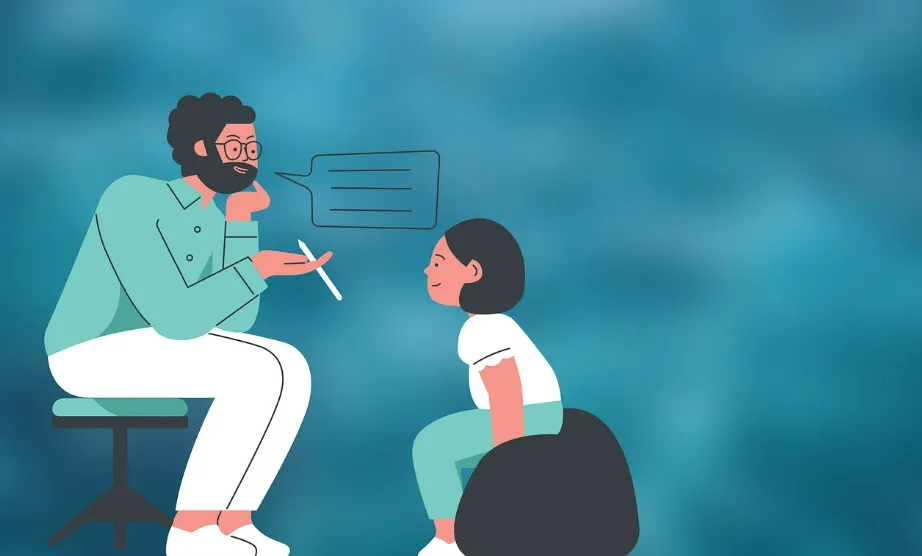
Distraction management is one of the biggest parts of preparing your home environment before ABA therapy starts. The goal is not silence. The goal is reducing distractions that make learning harder.
Before each session:
- Turn off the TV.
- Move loud electronic toys out of the therapy zone.
- Put away unrelated snacks, tablets, and favorite toys.
- Close blinds if outdoor activity pulls attention.
- Silence unnecessary phone alerts.
- Let family members know therapy is starting.
If your child is working on tolerating noise, transitions, or everyday family activity, your ABA team may intentionally include some natural distractions later. At the beginning, though, a calmer setup usually helps everyone learn the routine.
Plan for Siblings, Pets, and Household Traffic
In-home therapy happens in real homes. That means siblings ask questions, dogs bark, deliveries arrive, and someone inevitably needs a snack five minutes after the session starts.
A little logistical coordination can prevent a lot of stress.
If siblings are home
Create a sibling plan before therapy starts. You might:
- Set up a sibling activity basket
- Use headphones for a sibling doing homework
- Schedule sibling screen time during the most structured part of therapy
- Let siblings join only when the clinical team invites them
- Explain simple rules: “Therapy time is not interrupting time”
Siblings may eventually be included for social skills, turn-taking, play, or communication practice. But that should be planned with the ABA team, not improvised mid-session.
If you homeschool or work from home
Try using a household schedule that shows:
- Therapy session time
- Quiet work blocks
- Meal and snack times
- Outdoor or movement breaks
- Parent availability
Even a handwritten schedule on the fridge can help everyone understand the flow of the day.
If pets are present
Pets can be comforting, distracting, or unsafe depending on the child and the animal. Have a plan for where pets will stay during sessions. If your child is working on pet safety, your team can help build that into goals when appropriate.
Childproofing and Safety Before Clinical Sessions
Safety comes first. Before therapy begins, look at the space from your child’s height and movement patterns. Children who climb, mouth objects, run, open doors, or seek sensory input may need extra precautions.
Check for:
- Uncovered outlets
- Loose cords
- Small choking hazards
- Sharp furniture corners
- Unstable shelves
- Cleaning products
- Medications
- Breakable decor
- Unlocked doors or windows
- Heavy objects that could tip
Ask your clinical team about emergency protocols too. Parents and staff should know:
- Where first-aid supplies are kept
- Emergency contact numbers
- Allergies or medical restrictions
- Elopement risks, if applicable
- Bathroom and toileting procedures
- Feeding or choking precautions
- Who is responsible during transitions outside the therapy zone
If your child has a history of aggression, self-injury, bolting, or unsafe climbing, talk with the BCBA before the first session. The home setup may need a more detailed safety plan.
Use Visual Supports and Reinforcement Tools
Visual schedules, token boards, timers, and simple choice boards can help children understand what is happening now and what comes next.
Common tools include:
- Visual schedules: Show the order of activities, such as work, play, snack, bathroom, and break.
- Token boards: Help the child see progress toward a chosen reward.
- First-then boards: Show one expected activity followed by a preferred activity.
- Timers: Support transitions and waiting.
- Sensory tools: Items such as putty, chewable jewelry, weighted lap pads, or fidgets, when recommended.
Keep these tools in the same spot so staff and caregivers can find them easily. If your child uses an AAC device, picture cards, or sign language, make sure communication supports are available before the session starts.
Keep the Space Flexible as Your Child Grows
Your child’s therapy space should change as their developmental needs change. What works during early sessions may not work six months later.
A young child may need more floor play, gross motor breaks, and easy access to toys. An older child may need a desk, homework area, hygiene practice, cooking practice, or space for social activities.
Review the setup every few months and ask:
- Is this space still helping my child focus?
- Are the materials age-appropriate?
- Are reinforcers still motivating?
- Does my child need more independence?
- wAre we practicing skills in the rooms where they naturally happen?
- Has safety risk changed?
ABA therapy should generalize into daily life. Over time, your team may move practice from the therapy zone into the kitchen, bathroom, bedroom, backyard, or community.
Communicate With Your ABA Team Early and Often
Parental involvement is a major part of successful in-home therapy. You don’t have to become a therapist, but you do need a steady communication rhythm with the clinical team.
Before therapy starts, ask:
- Where should sessions usually happen?
- What materials should we keep available?
- What items should be put away?
- How should siblings be involved?
- What safety concerns should we address first?
- How will parent coaching be handled?
- What should I do if my child refuses, cries, or leaves the area?
- How will we track progress at home?
During the first few weeks, share what you notice. Tell the team if the time of day is hard, if a sibling routine keeps interrupting, or if a certain setup causes meltdowns. Good ABA teams adjust the environment and teaching plan based on real life, not an imaginary perfect household.
Common Mistakes to Avoid
Trying to create a perfect therapy room
You don’t need a mini clinic. A realistic, consistent space is usually better than a room your family can’t maintain.
Leaving too many toys visible
Open toy shelves can make it harder for some children to focus. Rotate materials and keep high-interest items stored until needed.
Forgetting about siblings
Siblings need a plan too. Without one, they may interrupt because they’re curious, bored, or unsure of the rules.
Skipping safety conversations
Childproofing is not just a parent task. Clinical staff need to know about elopement, climbing, allergies, feeding concerns, and medical needs.
Keeping the same setup forever
Your child’s goals will change. The therapy environment should grow with them.
FAQ
Do I need a separate room for in-home ABA therapy?
No. A consistent therapy zone is enough for many families. A table, rug, or corner of a shared room can work well if it is safe, organized, and not overloaded with distractions.
What should I buy before ABA therapy starts?
Start small. Basic bins, a timer, simple toys, crayons, paper, and a few preferred items are often enough. Ask your ABA team before buying therapy-specific tools so you don’t spend money on items your child may not need.
Should siblings be present during ABA sessions?
Sometimes, but it should be planned. Siblings can help with play, communication, and social goals when appropriate. During structured teaching, they may need a separate activity so your child can focus.
How clean does my home need to be?
Your home does not need to be spotless. Focus on safety, clear walkways, reduced clutter in the therapy area, and easy access to materials. Therapists are used to working in real family homes.
What if my child won’t stay in the therapy space?
Tell your ABA team. The plan may need shorter activities, stronger reinforcement, more movement breaks, or practice transitioning back to the area. Don’t force a setup that clearly is not working.
Final Takeaway
Preparing your home environment before ABA therapy starts is really about making learning easier. Choose a simple therapy zone, reduce avoidable distractions, store materials where people can find them, plan for siblings and traffic, and talk openly with your clinical team.
Start with what you have. Then adjust as your child, your family, and the therapy goals evolve.
























Sign in to leave a comment.