Hip dysplasia is one of the most common orthopedic issues in medium and large dog breeds, and Labradoodles unfortunately fall into that category. While the name might sound intimidating, understanding what it is and how to spot it early can make a big difference in your dog’s comfort and quality of life. Labradoodles are active, playful, and often spend hours running or jumping. But this active lifestyle can highlight any joint issues that develop over time. By learning the signs of hip dysplasia and knowing the treatment options, owners can help their Labradoodles live healthier and happier lives.
What Is Hip Dysplasia?
At its core, hip dysplasia is a developmental condition where the hip joint doesn’t form correctly. Instead of the ball-and-socket joint fitting smoothly together, there’s looseness or improper alignment. This irregular fit leads to wear and tear, causing arthritis, inflammation, and pain as the dog ages. Genetics play a significant role, meaning Labradoodles can inherit a predisposition from their Labrador or Poodle parents. Environmental factors such as rapid growth, excessive weight, or too much high-impact exercise during puppyhood can make the condition worse.
Early Signs Owners Should Watch For
Catching hip dysplasia early is critical. Subtle changes in your Labradoodle’s behavior can often be the first clue. You might notice stiffness after naps or hesitation when climbing stairs. Some dogs may limp, shift their weight awkwardly, or even “bunny hop” with both back legs instead of moving them independently. Others may avoid running or jumping altogether. Pain or sensitivity around the hips, especially when touched, is another red flag. Because Labradoodles are generally energetic, changes in enthusiasm or reluctance to play can be a clear indicator that something isn’t right.
Veterinary Diagnosis
If you suspect hip dysplasia, the next step is visiting your veterinarian. A physical exam will usually involve observing your dog’s gait, checking for discomfort in the hip area, and assessing range of motion. However, X-rays are the most reliable way to confirm the diagnosis. Imaging shows the degree of joint misalignment and whether arthritis has already developed. Screening at a younger age is recommended for Labradoodles, especially if they come from breeding lines with known joint problems.
Treatment Options
Treatment for hip dysplasia depends on the severity of the condition.
For mild to moderate cases, non-surgical options often provide relief. Weight management is one of the most effective ways to reduce strain on the hips. Keeping your Labradoodle at a healthy weight prevents unnecessary pressure on already vulnerable joints. Regular, low-impact exercise like swimming or controlled walks helps maintain muscle strength without overloading the hips. Anti-inflammatory medications prescribed by a vet can also reduce pain and swelling. Joint supplements containing glucosamine, chondroitin, or omega-3 fatty acids are commonly recommended to support joint health.
For more advanced cases, surgical options may be necessary. Total hip replacement is the most effective long-term solution, replacing the damaged joint with an artificial one. Other surgical methods, such as juvenile pubic symphysiodesis for younger dogs or femoral head ostectomy, may also be considered depending on age and severity. While surgery can sound daunting, many Labradoodles recover well and regain mobility.
Preventing Worsening of Symptoms
Even with a diagnosis, there’s a lot owners can do to make life easier for a Labradoodle with hip dysplasia. Regular but gentle exercise keeps muscles strong and supports the joint. Avoid high-impact activities like constant jumping or rough running on hard surfaces. Creating a comfortable home environment also helps, such as providing soft bedding, ramps for stairs, and non-slip flooring. Maintaining a lean body weight is perhaps the single most important preventative measure, as excess pounds can accelerate joint damage.
Daily Life Adjustments for Labradoodles with Hip Dysplasia
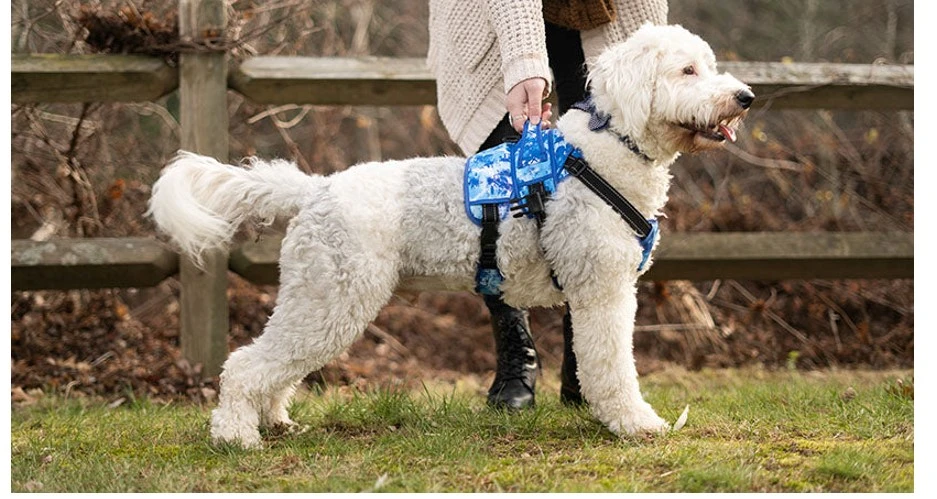
Living with a dog who has hip dysplasia may mean a few adjustments. Gentle play, controlled exercise routines, and monitoring your Labradoodle’s comfort levels are key. Hydrotherapy and physical therapy can help improve mobility, while massage and stretching can ease stiffness. Many owners also find that supportive harnesses make walks more manageable. Small, consistent changes to your Labradoodle’s routine can significantly improve their quality of life.
Conclusion
Hip dysplasia might sound overwhelming, but with the right awareness and treatment plan, Labradoodles can continue to lead active and fulfilling lives. Spotting the signs early, working closely with your vet, and making small lifestyle adjustments are all part of helping your dog stay comfortable. While some cases may require medical intervention, others can be managed effectively with preventive care and routine attention.
For more guidance on caring for Labradoodles and Double Doodles, I’d suggest checking out All About The Doodles. They share helpful information for owners, from health topics like hip dysplasia to everyday care and training tips, making it easier to raise a happy and healthy dog.





























Sign in to leave a comment.