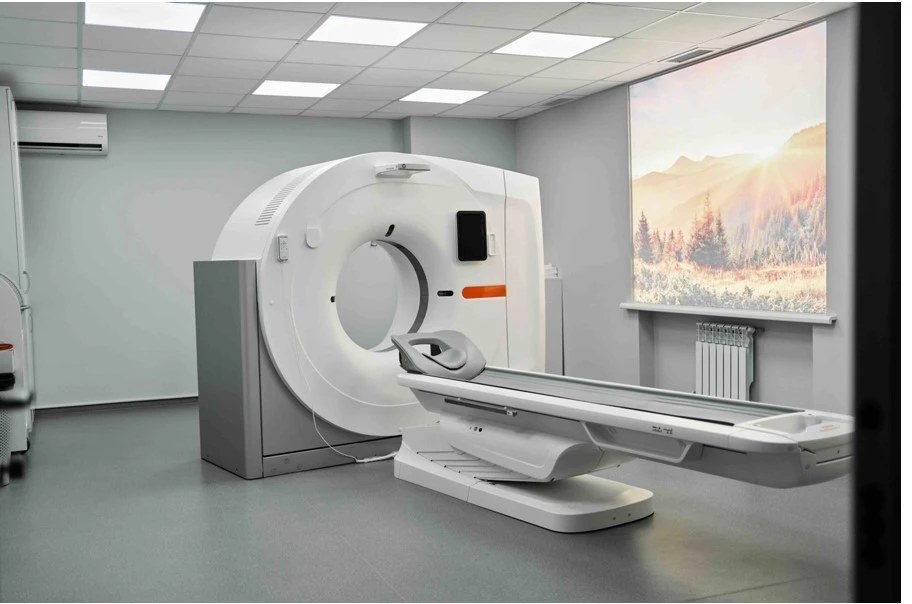
Getting scheduled for an MRI scan often raises many questions, and one of the most common is about food and drink. Since MRIs are different from other imaging tests like X-rays or CT scans, many people are unsure of what they can and cannot do before their appointment. The truth is that preparation can vary depending on the type of MRI you’re having and whether contrast dye will be used. Knowing the right guidelines ahead of time makes the process smoother and helps ensure clear results.
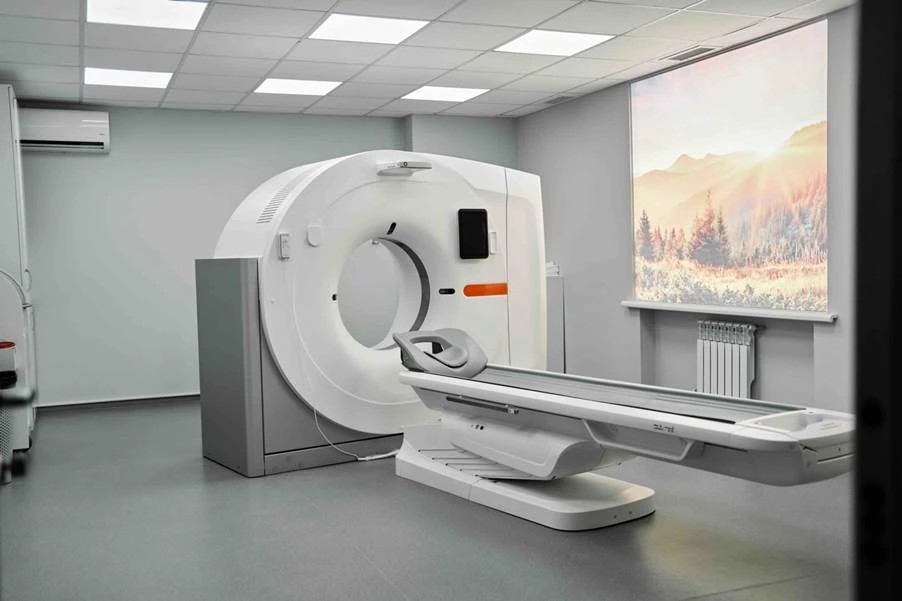
General Guidelines for Eating and Drinking
For most standard MRIs, you are usually allowed to eat and drink as normal before the scan. Unlike some medical tests, such as blood work or certain surgeries, MRI scans do not always require fasting. If your doctor or the imaging center hasn’t told you otherwise, you can often continue your daily routine with meals and hydration. However, the key is always to follow the specific instructions provided to you, because different scans can come with different requirements.
When Fasting May Be Required
Certain MRI scans require fasting because food or drink in your stomach could affect the clarity of the images. This is particularly true for abdominal or pelvic MRIs, where emptying the digestive system helps reduce motion artifacts and interference. Scans involving contrast dye also may require you to avoid eating or drinking for several hours beforehand. The contrast helps highlight specific tissues or abnormalities, and fasting ensures your body processes it correctly. Not everyone needs to fast, but if you do, the imaging center will provide clear instructions ahead of time.
Hydration and Medication Considerations
Even when fasting is required, water is often still allowed. Staying hydrated makes it easier for medical staff to insert an IV if you need contrast dye, and it can also help your kidneys process the dye afterward. As for medications, most patients can continue taking them as prescribed unless told otherwise. If you’re unsure whether your medications should be taken on the morning of your scan, ask your doctor or the MRI staff. This is especially important for people managing conditions like high blood pressure, diabetes, or heart disease.
Special Instructions for Certain Patients
Preparation can differ depending on your health background. For children, fasting instructions are sometimes adjusted to make the process less stressful, since long fasting periods can be difficult. Diabetic patients may also need tailored advice to manage blood sugar levels, particularly if fasting is required. Pregnant or nursing mothers are often asked to discuss any concerns about eating, drinking, or using contrast dye with their doctor to ensure safety. These adjustments highlight why individual guidance is so important rather than relying only on general advice.
What Happens If You Forget the Instructions
It’s natural to worry if you accidentally eat or drink when you were supposed to fast. In some cases, the scan can still be done, but the images might not be as clear. In other cases, the appointment may need to be rescheduled to avoid wasting time and resources. If you realize you’ve broken the preparation rules, it’s best to call the imaging center before your appointment. They can let you know if it’s still okay to proceed or if adjustments are needed.
Tips for Making the Preparation Easier
If fasting is required, planning ahead helps. Scheduling your MRI for the morning can make it easier since you’ll spend most of your fasting period asleep. Keeping water handy ensures you stay hydrated, and packing a light snack to eat immediately after the scan can give you something to look forward to. Preparing the night before can also ease any stress so you can walk into your appointment knowing you’ve done everything correctly.
Conclusion
Whether you can eat or drink before an MRI depends largely on the type of scan you’re having and whether contrast dye is involved. Standard MRIs usually allow regular eating and drinking, while abdominal or contrast scans may require fasting. Staying hydrated, continuing medications when permitted, and following the instructions given to you will ensure the best results. If you ever have doubts, contacting your doctor or the MRI center is the smartest move.
For patients in the Deerfield area who want clear guidance and compassionate care, Upright MRI of Deerfield is a reliable option. Their team takes the time to explain preparation steps in detail so you feel confident and comfortable heading into your scan.






























Sign in to leave a comment.