

Incorporating Ceylon Cinnamon into your product line can significantly enhance your offerings, tapping into current market trends and consumer preferences. As businesses strive to meet the growing demand for natural and health-conscious products, Ceylon cinnamon often referred to as “true cinnamon”, stands out due to its unique benefits and flavor profile.
Unlike its counterpart, cassia cinnamon, Ceylon cinnamon offers a unique flavor profile, lower coumarin content, and a host of health benefits that make it an excellent addition to any product line.
This post explores why businesses should consider incorporating Ceylon cinnamon into their offerings, delves into the differences between cassia powder and Ceylon cinnamon powder, and highlights the potential health benefits and risks associated with each type.
The Case for Ceylon Cinnamon in Your Product Line
1. Meeting Market Trends and Consumer Demand
The health and wellness market has seen a surge in demand for natural ingredients that offer both flavor and health benefits. Ceylon cinnamon, often referred to as "true cinnamon," is gaining popularity among consumers who are increasingly health-conscious. Its rich flavor and numerous health benefits make it an attractive addition to various products, including baked goods, beverages, supplements, and health foods.
Ceylon cinnamon is known for its lower coumarin content compared to cassia cinnamon, making it a safer option for regular consumption. Coumarin, a compound found in higher concentrations in cassia cinnamon, has been linked to potential liver damage when consumed in large amounts. Therefore, incorporating Ceylon cinnamon can not only enhance the flavor of products but also align with the growing consumer preference for safer, healthier options.
2. Health Benefits That Resonate with Consumers
Ceylon cinnamon boasts a variety of health benefits that appeal to consumers looking for functional foods. Some of the notable benefits include:
- Anti-inflammatory Properties: The active component, cinnamaldehyde, may help reduce inflammation in the body, which is linked to chronic diseases such as heart disease and diabetes.
- Blood Sugar Regulation: Studies suggest that Ceylon cinnamon may support healthy blood sugar metabolism by enhancing insulin sensitivity.
- Antioxidant Effects: Rich in antioxidants, Ceylon cinnamon can aid the body's natural detox processes and combat oxidative stress.
By highlighting these benefits in marketing materials, businesses can attract health-conscious consumers seeking products that contribute positively to their well-being.
Cassia Powder vs Cinnamon Powder: Unveiling the Differences
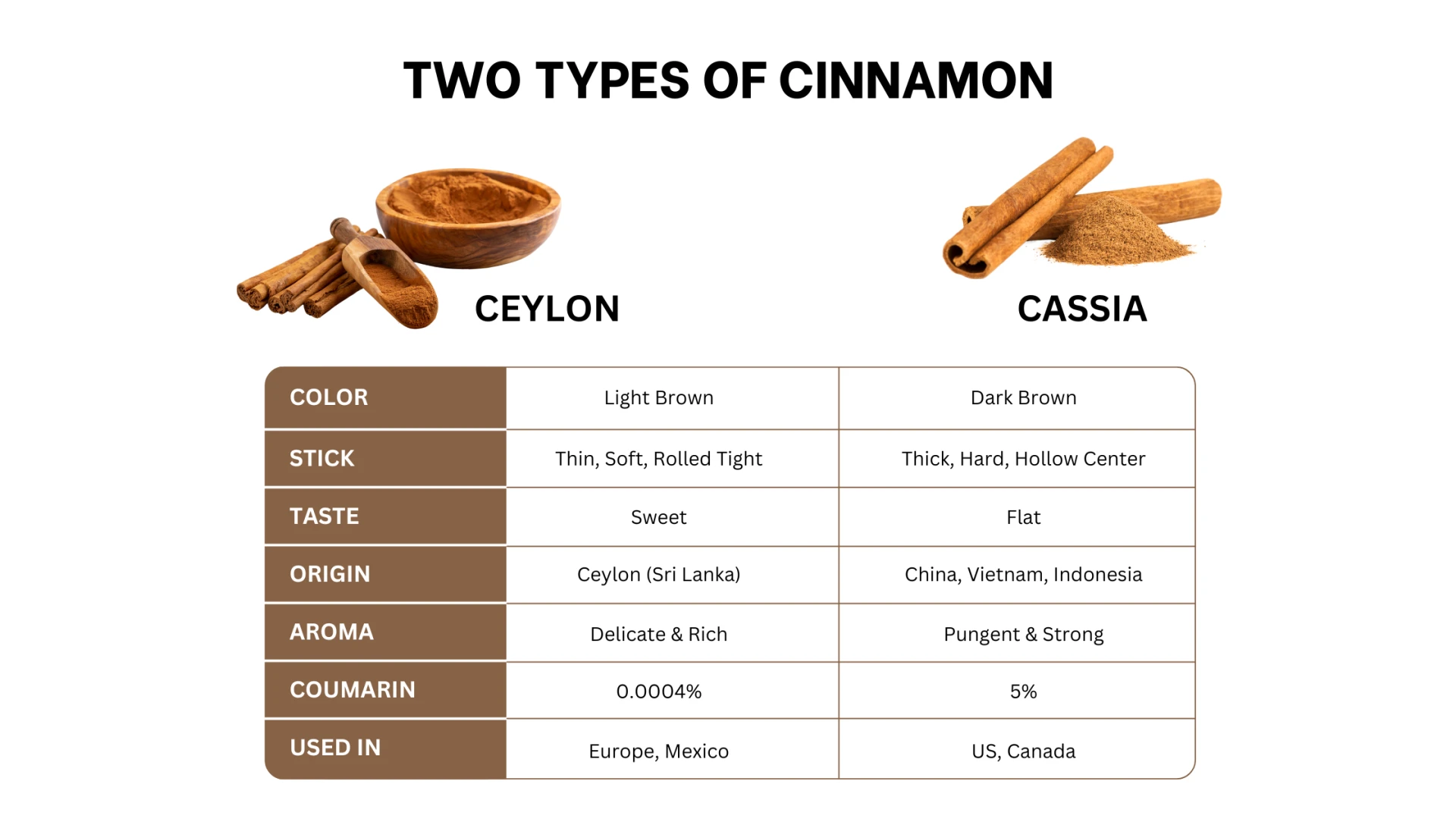
To truly understand the value of Ceylon cinnamon, it’s essential to compare it with its more common counterpart—cassia cinnamon. Though they are often used interchangeably in recipes and labeled simply as “cinnamon” in stores, there are significant differences between the two varieties.
1. Flavor Profile & Culinary Applications
Cassia powder has a bold and spicy flavor that can easily overpower other ingredients in a recipe. While this strong taste may work well in certain dishes like curries or spiced desserts, it lacks the versatility of Ceylon cinnamon.
Ceylon cinnamon’s milder flavor allows it to blend seamlessly into a variety of culinary applications—be it sweet pastries, savory sauces, or even beverages like chai lattes or spiced cocktails. Its delicate aroma enhances recipes without overwhelming them, making it an ideal choice for chefs and food manufacturers alike.
2. Health Implications: Coumarin Levels Matter
One of the most critical differences between cassia and Ceylon cinnamon lies in their coumarin content. Coumarin is a naturally occurring compound found in both types of cinnamon but is present in much higher concentrations in cassia (up to 1% by weight). While small amounts of coumarin are generally safe for consumption, excessive intake can lead to liver damage over time.
Ceylon cinnamon contains only trace amounts of coumarin (approximately 0.004%), making it a far safer option for regular use—particularly for consumers who add cinnamon to their diets daily through teas, smoothies, or supplements.
3. Nutritional Value & Health Benefits
Both cassia and Ceylon cinnamons offer some degree of nutritional value due to their antioxidant content; however, the risks associated with cassia’s high coumarin levels often outweigh its benefits when consumed frequently.
Ceylon cinnamon not only provides antioxidants but also boasts anti-inflammatory properties that can support overall health without posing significant risks.
What is the Best Organic Cinnamon Powder?
When choosing between cassia powder and Ceylon cinnamon powder for your product line—or even personal use—it’s essential to prioritize quality and safety:
- Organic Cassia Cinnamon Powder Benefits: While cassia is more affordable and widely available, its high coumarin content limits its appeal for long-term use. It may still be suitable for occasional recipes where its bold flavor is desired.
- Organic Ceylon Cinnamon Powder Benefits: For businesses looking to cater to health-conscious consumers in the USA or globally, organic Ceylon cinnamon powder is undoubtedly the better choice. Its superior safety profile combined with its mild yet complex flavor makes it ideal for daily consumption.
When sourcing organic cinnamon powder in the USA or elsewhere, look for certifications that guarantee authenticity (e.g., USDA Organic) and ensure that suppliers clearly label their products as “Ceylon” or “true” cinnamon.
Why Your Business Should Choose Ceylon Cinnamon
By incorporating organic Ceylon cinnamon powder into your product line, you’re not just adding an ingredient—you’re tapping into a growing market trend that values quality over quantity:
- Premium Positioning: Products made with authentic Ceylon cinnamon can be marketed as premium offerings due to their superior taste and safety profile.
- Health-Conscious Appeal: Highlighting the low coumarin content and health benefits of Ceylon cinnamon resonates strongly with wellness-focused consumers.
- Versatility Across Categories: From baked goods to beverages to dietary supplements, Ceylon cinnamon’s mild flavor makes it suitable for a wide range of applications.
Conclusion
Incorporating Ceylon cinnamon powder into your product line is more than just a smart business move—it’s an opportunity to align your brand with consumer values like health, safety, and premium quality. By understanding the key differences between cassia powder vs. cinnamon powder (specifically organic varieties), you can make informed decisions about how best to position your products in today’s competitive market.
Whether you’re targeting food enthusiasts seeking authentic flavors or wellness advocates looking for functional ingredients with proven benefits, organic Ceylon cinnamon powder offers unmatched potential to elevate your offerings—and delight your customers!




















Sign in to leave a comment.