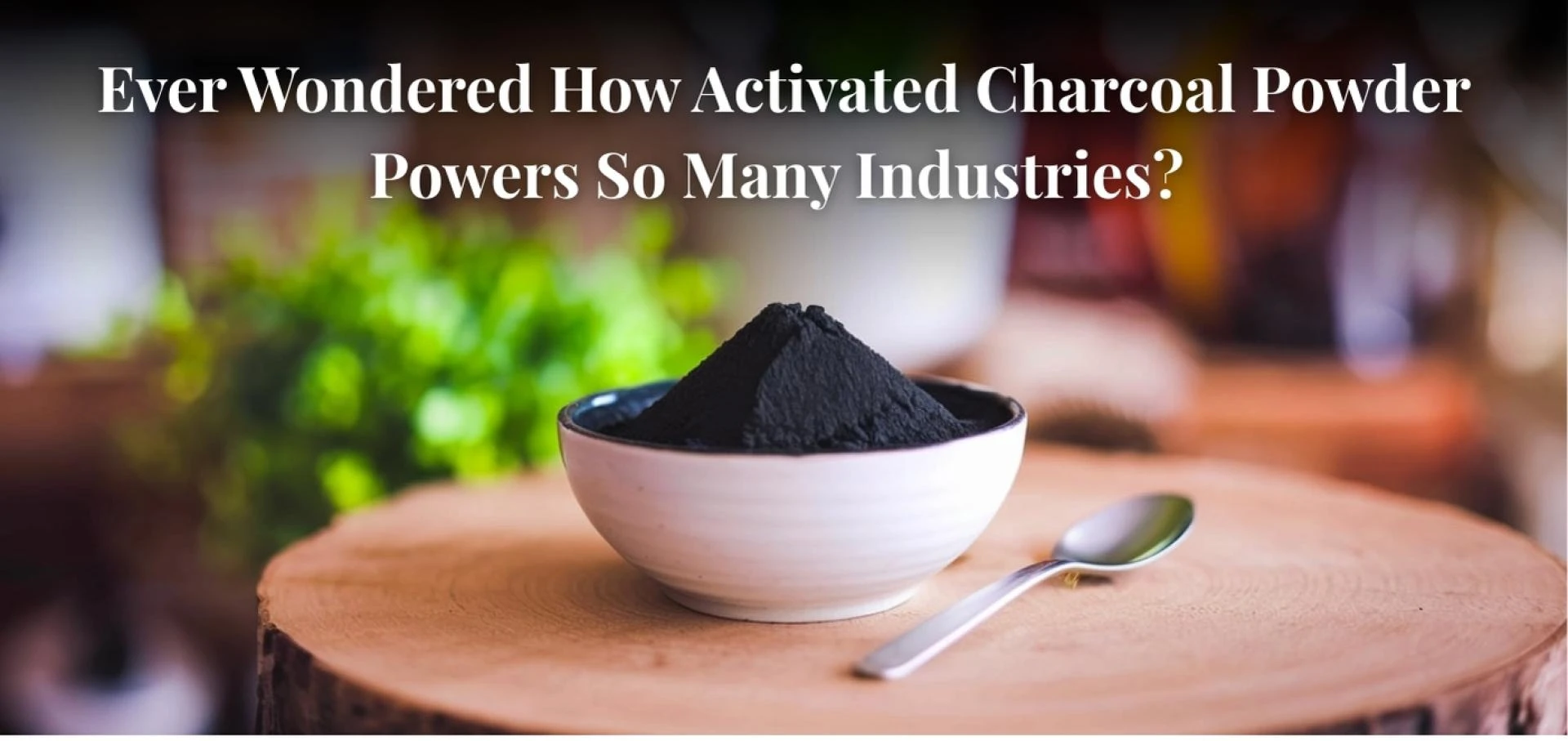

I’ve been in the ingredients business long enough to know that the real game-changers don’t always come with fanfare. Some ingredients just quietly earn their place across industries by doing exactly what they’re supposed to—consistently, effectively, and without a lot of drama. Activated charcoal powder is one of those ingredients.
It’s not trendy like collagen or buzzy like mushrooms. But if you’re in manufacturing—whether it’s in pharma, food, cosmetics, or environmental solutions—you’ve probably crossed paths with it. And if you haven’t, you might be surprised by just how many applications it touches behind the scenes.
So, what exactly makes activated charcoal so effective?
It all starts with structure. Activated charcoal isn’t just “burnt stuff,” as I’ve heard some people call it. It’s carbon that’s been processed to have an incredibly high surface area and a porous structure—think of it like a microscopic sponge designed to trap things. And what it traps depends entirely on how it’s used.
In water purification, it grabs hold of impurities, organic compounds, even chlorine. In air filtration, it adsorbs volatile organic compounds (VOCs) and removes odors. In the pharmaceutical space, it plays a crucial role in drug purification and emergency detox protocols. And in food and beverage? It helps refine and clarify everything from juices to sweeteners.
The beauty is in its versatility.
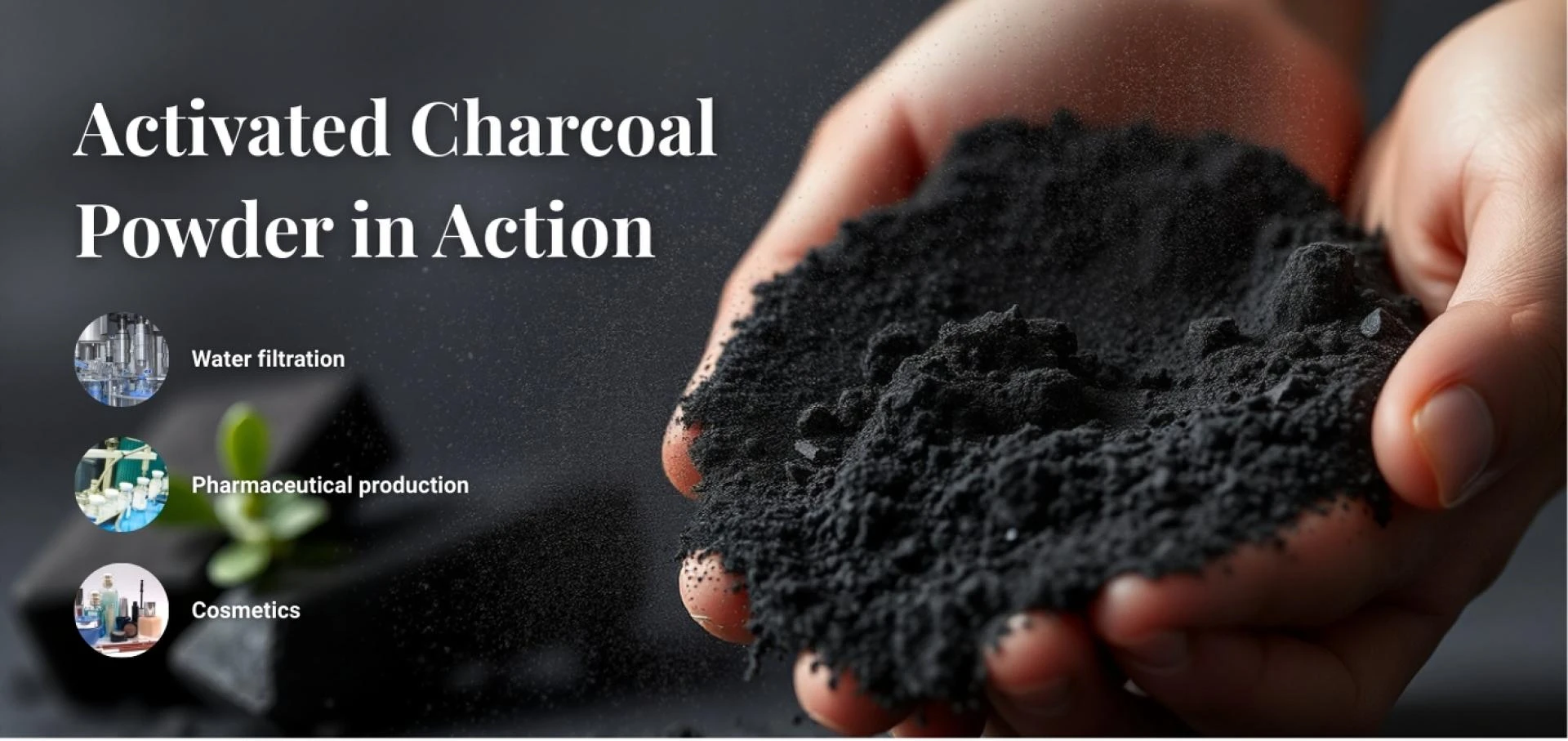
What I find most fascinating is how one material can span such different industries—and do it well. It’s used to decolorize sugar one day and purify gold mining effluents the next. That kind of range doesn’t come easy.
Cosmetic manufacturers rely on it in face masks and toothpaste, not just for the visual appeal (black = bold, right?) but because it actually helps lift impurities from the skin and teeth. In industrial processes, it supports catalysts, recovers solvents, and even captures mercury from emissions.
What should you know if you're sourcing in bulk?
First, grade matters—a lot. There are food-grade, pharma-grade, and industrial-grade versions, and the specifications aren’t just regulatory checkboxes; they directly affect product performance. So it’s worth working with a supplier who understands your industry and can provide documentation like COAs and MSDS on demand.
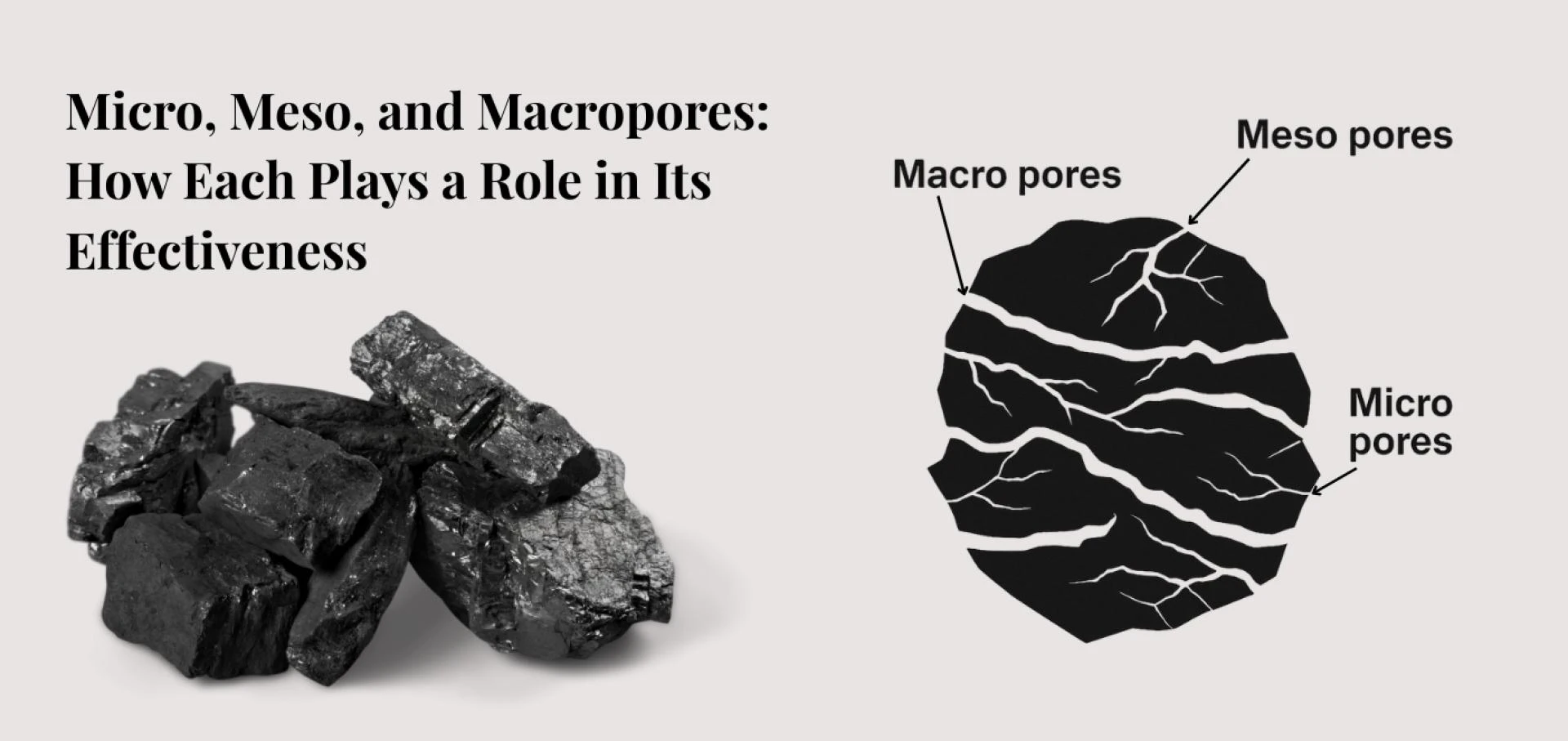
I also always recommend clarifying pore size distribution if you're using it in filtration or adsorption-heavy processes. Micropores, mesopores, and macropores serve different functions. And while that might sound overly technical, it genuinely impacts things like flow rate and capacity.
A few interesting things I’ve learned along the way:
- Activated charcoal can be regenerated after use, depending on the application. That means sustainability goals can still align with industrial performance—something that’s becoming more of a non-negotiable for procurement teams.
- It's increasingly being produced from renewable sources like coconut shells or sawdust, which not only improves the environmental story but also enhances performance in some applications due to higher purity and uniformity.
- In gold recovery, activated charcoal plays a pivotal role in separating precious metals—a detail I never expected when I first got into the ingredients world.
The market is only getting stronger.
Demand is trending upward across sectors. Clean water initiatives are pushing its use in both municipal and industrial systems. The cosmetics industry continues to lean into natural ingredients with strong efficacy stories. Even energy storage research is exploring activated charcoal for supercapacitors, thanks to its surface area and conductivity.
If you're developing a new product or scaling an existing one, activated charcoal is worth a second look; especially if you're building for functionality and long-term performance. It may not be the flashiest ingredient on your spec sheet, but it often ends up being one of the most impactful.
And if you ask me, that’s exactly the kind of ingredient that deserves more attention.




























Sign in to leave a comment.