

In 2026, the Chief Financial Officer (CFO) role has evolved significantly from the traditional focus on financial reporting and cost management. Today’s CFO is a strategic architect, risk forecaster, and data leader who drives enterprise performance. As businesses operate in a more digital, volatile, and globally connected world, the CFO now focuses on strategic thinking, predictive insight, operational resilience, and data-driven decision-making.
The CFO role has evolved from just being the guardian of financial statements to sitting at the core of transformation, where they collaborate with CEOs, boards, and business leaders to unlock sustainable growth strategies.
Strategic Leadership at the Core
In 2026, CFOs are deeply integrated into corporate strategy. They do not just respond to what happened in the past but also create a strategic financial roadmap for the future. They evaluate mergers and acquisitions, expansion strategies, digital investments, and capital restructuring initiatives.
Strategic CFOs focus on answering key questions such as:
- Where should capital be invested to maximize long-term returns?
- Which markets or product categories have scalable profitability?
- How can financial strategies strike a balance between growth and risk management?
Advanced analytics and scenario modeling enable CFOs to simulate different business outcomes before making a decision. Today, many companies depend on financial modelling consulting services to build highly complex forecasting models that incorporate market volatility, regulatory changes, and business factors. These models allow CFOs to transition from assumption-driven planning to data-driven strategic decision-making.
CFOs are also responsible for integrating ESG (Environmental, Social, and Governance) factors into financial strategy. The demands of investors and regulators have made sustainability reporting a financial priority. In 2026, finance executives will make sure that profitability and responsible business practices move in parallel.
Foresight in an Uncertain Economic Climate
Volatility has become the new norm rather than the exception. Inflation trends, geopolitical instability, technological disruption, and supply chain disruptions force CFOs to develop strong foresight capabilities.
The traditional budgeting cycles have been replaced with rolling forecasts and dynamic financial planning systems. AI-driven dashboards offer real-time insights into revenue trends, cost structures, and liquidity positions. CFOs rely heavily on predictive analytics to forecast possible disruptions and formulate contingency strategies.
Liquidity and working capital management are continuously monitored. CFOs no longer concentrate on cost management alone but on financial flexibility to respond quickly to market opportunities.
Under these circumstances, many organizations leverage CFO outsourcing support services to boost agility. Outsourced finance expertise provides specialized support in areas such as compliance, treasury management, and reporting, allowing internal CFO teams to concentrate on strategic projects and maintain operational excellence.
Data Leadership and Digital Transformation
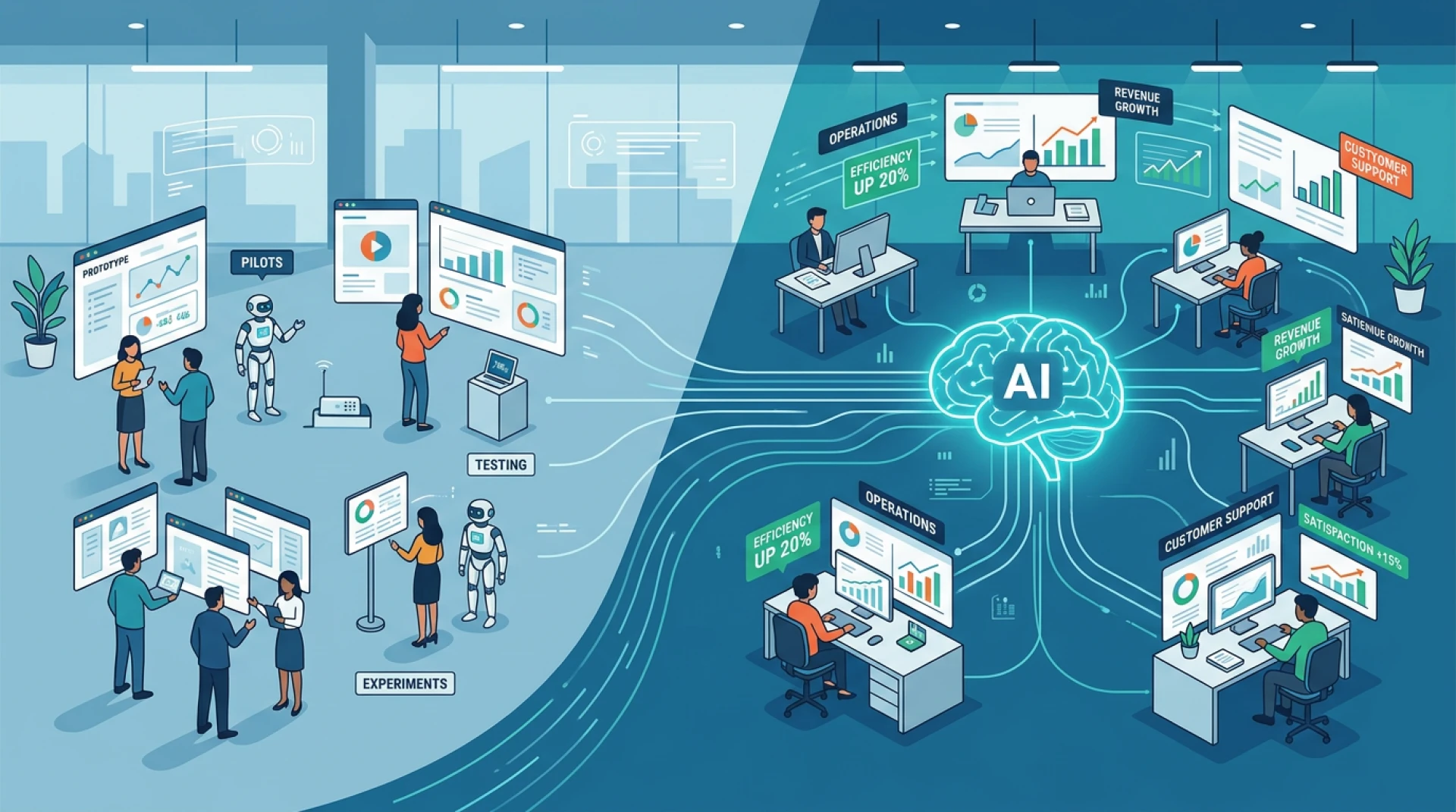
One of the most defining CFO roles in 2026 is data leadership. The finance department has evolved into an analytics hub, where business intelligence is generated in real-time. CFOs are now overseeing the implementation of AI-driven financial planning platforms, cloud-based ERP solutions, and automated reporting infrastructure.
Data leadership encompasses:
- Delivering high-quality and standardized financial data
- Aligning financial systems with operational platforms
- Automating repetitive accounting and reconciliation processes
- Strengthening data governance and security processes
Automation through robotic process automation (RPA) and artificial intelligence reduces manual efforts and errors. Finance professionals today spend more time analyzing insights and less time preparing spreadsheets.
CFOs also collaborate with CIOs and chief data officers to align data across the enterprise. This alignment enables the finance department to deliver predictive insights instead of static reports.
From Scorekeeper to Value Creator
The CFO of 2026 is a value-adding professional and not a scorekeeper. The CFO uses advanced profitability analysis to assess business performance based on customer segments, product categories, and geographies.
The CFO does not rely on generic cost-reduction strategies. Instead, they use data to identify areas for improvement. This approach ensures that innovation budgets and growth initiatives are protected.
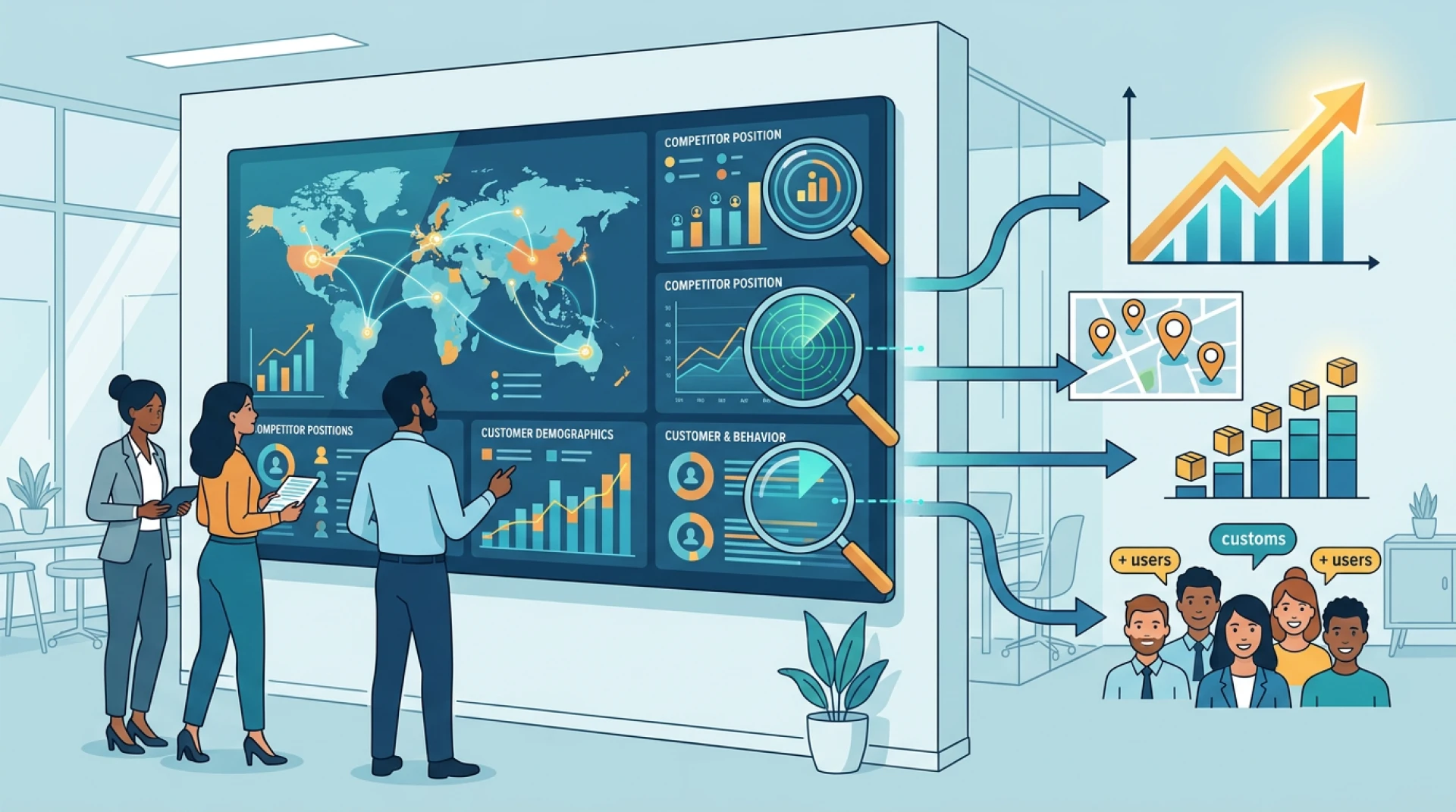
Pricing strategy has now become more data-driven. Based on customer behavior, competitor analysis, and cost structures, the CFO optimizes pricing models to maximize profits without sacrificing competitiveness.
Capital allocation decisions are driven by in-depth ROI modeling and performance metrics. Here again, financial modelling consulting services play an important role, as they enable scenario-based investment analysis and risk-adjusted return analysis. This enhances decision-making confidence, particularly in high-risk investments like digital transformation and acquisitions.
Cross-Functional Collaboration
CFOs work in close collaboration with the marketing, operations, HR, and technology teams to ensure that financial plans are aligned with operational realities.
For example:
- With the marketing function, CFOs refine their revenue forecasts and customer acquisition cost models.
- With the operations function, CFOs maximize supply chain cost-effectiveness.
- With the HR function, CFOs align people plans with productivity and growth strategies.
In addition, through CFO outsourcing support services, organizations can tap into the specialized knowledge of taxation, treasury, and compliance experts. This hybrid approach ensures scalability and strategic alignment at the executive level.
Strong communication skills have also become a critical requirement. The board and investors demand data-driven narratives that effectively communicate performance, risk, and growth plans. CFOs need to develop both analytical and strategic storytelling capabilities.
Risk Management and Resilience
The risks associated with cybersecurity, regulatory compliance, and financial fraud have increased significantly. CFOs have now begun to incorporate enterprise risk management into their financial planning.
Real-time monitoring systems detect irregularities and possible threats. CFOs evaluate financial vulnerability to cyber attacks, supply chain disruptions, and compliance penalties.
Resilience planning involves stress-testing financial models based on various economic outcomes. This proactive approach strategy enables organizations to be more resilient to disruptions and ensure operational continuity.
Conclusion
The role of CFOs in 2026 is characterized by strategy, foresight, and data leadership. The modern CFO is a strategic partner who can forecast risks, implement digital transformation, and unlock sustainable value. By leveraging advanced analytics, collaboration, and technology integration, finance executives can guide their organizations through complexity with confidence.
With the support of CFO outsourcing support services and the financial modelling consulting services, CFOs today have more tools than ever before to make data-driven decisions, maximize capital allocation, and build resilient enterprises. In a world of uncertainty and rapid change, the CFO is at the center of strategic growth and long-term success.




























Sign in to leave a comment.