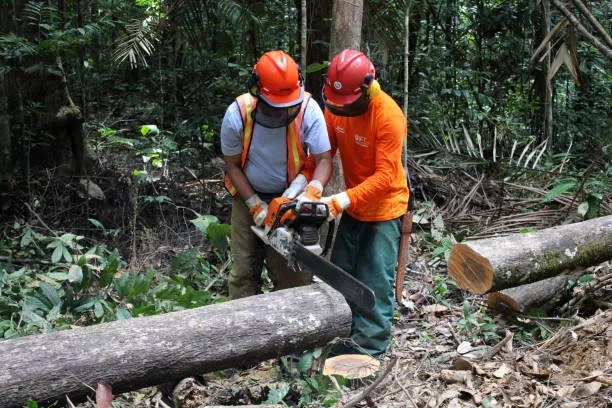

A chainsaw is only as effective as the care it receives. Regular chainsaw sharpening and cleaning improve cutting performance, increase operator safety, and extend the life of the equipment. Whether you use a chainsaw for forestry, tree care, landscaping, or property maintenance, routine maintenance helps ensure the saw performs efficiently while reducing unnecessary wear and tear.
A dull or dirty chainsaw requires more effort to cut through wood, increasing operator fatigue and the risk of kickback. Keeping the chain sharp and the saw clean allows the tool to cut smoothly, reducing strain on both the equipment and the operator.
Best Practices for Chainsaw Sharpening and Cleaning
Before performing any maintenance, turn off the chainsaw, disconnect the spark plug on gas-powered models, or remove the battery from cordless units. Wear protective gloves to prevent injuries from the sharp chain.
Begin by inspecting the chain for damaged or missing teeth. Use the correct file size recommended by the manufacturer and sharpen each cutter at the proper angle. Apply even pressure and maintain a consistent number of strokes for each tooth to ensure balanced cutting performance. After sharpening, check the depth gauges and adjust them when necessary to maintain proper cutting efficiency.
Cleaning is equally important. Remove the side cover and clean away sawdust, wood chips, and debris from the guide bar, chain groove, and sprocket area. Clear the oil ports to maintain proper chain lubrication during operation. Inspect the air filter and clean or replace it if it is clogged. A clean air filter helps the engine operate efficiently while reducing fuel consumption.
The guide bar should also be inspected for wear. Rotate the guide bar periodically to promote even wear and check for burrs that may affect cutting performance. Ensure the chain is properly tensioned before each use. A chain that is too loose can derail, while one that is too tight may cause premature wear on the bar and engine components.
Maintain Safety with Routine Inspections
Routine inspections help identify issues before they become serious problems. Check all fasteners, handles, safety guards, and chain brake components to confirm they are functioning correctly. Replace worn or damaged parts immediately and always use manufacturer-approved replacement components.
Proper storage also contributes to chainsaw longevity. Store the saw in a dry, secure location, clean it after each use, and keep the chain protected with a scabbard. Regular maintenance not only improves reliability but also helps operators complete tasks more safely and efficiently.
Learning the correct maintenance procedures through professional training provides additional confidence and helps operators avoid common mistakes that can lead to equipment damage or workplace injuries.
For comprehensive chainsaw operation and maintenance instruction, Southbrook Safety offers industry-focused training that covers safe operation, inspection, maintenance, and hazard awareness. Contact us today to learn more about professional chainsaw safety training and certification programs.























Sign in to leave a comment.