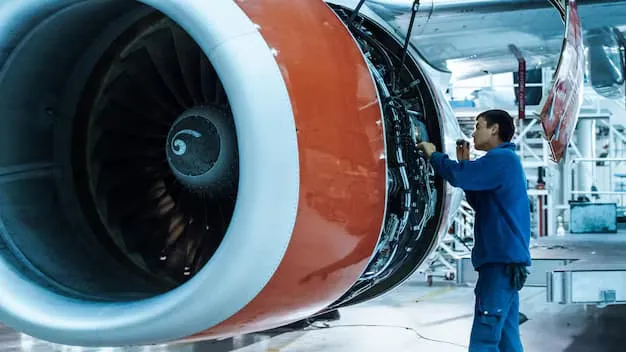

An aerodynamic engineer plays a critical role in designing and optimizing vehicles and structures that interact with airflows. From aircraft and automobiles to wind turbines and drones, the work of an aerodynamic engineer directly impacts efficiency, safety, and performance. While advancements in technology have expanded capabilities, the profession also faces a growing set of challenges shaped by evolving industry demands, environmental considerations, and complex design requirements. Understanding these challenges provides valuable insight into the realities of modern aerodynamic engineering.
Increasing Complexity in Design Requirements
Integration of Multidisciplinary Systems
An aerodynamic engineer must collaborate with experts across multiple disciplines such as structural engineering, propulsion, and materials science. Modern designs demand seamless integration of these components, making the process more intricate than ever. Ensuring that aerodynamic efficiency aligns with structural integrity and system functionality requires extensive coordination and compromise.
The rise of hybrid and electric propulsion systems adds further complexity. These systems alter airflow patterns and cooling requirements, forcing engineers to rethink traditional aerodynamic principles. Managing these interdependencies often leads to longer development cycles and increased design iterations.
Demand for High Performance and Efficiency
Industries such as aerospace and automotive constantly push for higher efficiency and performance. An aerodynamic engineer must design solutions that reduce drag, improve lift, and enhance fuel efficiency without compromising safety or cost-effectiveness. Achieving this balance is increasingly difficult as performance expectations continue to rise.
The pressure to optimize every aspect of a design leaves little room for error. Even minor inefficiencies can lead to significant performance losses, making precision and attention to detail essential.
Advancements in Simulation and Computational Tools
Dependence on Computational Fluid Dynamics
Computational Fluid Dynamics has become a cornerstone of modern aerodynamic engineering. While it allows engineers to simulate complex airflow scenarios, it also presents challenges. High fidelity simulations require substantial computational resources, making them expensive and time-consuming.
An aerodynamic engineer must also ensure the accuracy of simulation models. Incorrect assumptions or boundary conditions can lead to misleading results. Validating these models with experimental data remains essential but adds to the workload and project timeline.
Rapid Technological Evolution
The tools and software used in aerodynamic engineering are constantly evolving. Engineers must continuously update their skills to stay relevant. Learning new simulation platforms, adapting to updated algorithms, and integrating artificial intelligence into design processes demand ongoing professional development.
This rapid pace of change can be overwhelming, especially for engineers managing multiple projects. Keeping up with technological advancements while maintaining productivity is a persistent challenge.
Environmental and Regulatory Pressures
Stricter Emission Standards
Environmental concerns have led to stringent emission regulations across industries. An aerodynamic engineer must design systems that minimize fuel consumption and reduce emissions. This often involves optimizing shapes and surfaces to improve airflow efficiency.
Meeting these regulatory requirements without increasing production costs is a delicate balancing act. Engineers must innovate within tight constraints, which can limit design flexibility.
Noise Reduction Requirements
Noise pollution is another critical concern, particularly in aviation and urban mobility. Engineers are tasked with developing quieter designs that comply with regulatory standards. Reducing aerodynamic noise requires advanced modeling and testing, as well as innovative design approaches.
Achieving noise reduction while maintaining performance adds another layer of complexity. It often involves trade-offs that must be carefully evaluated.
Challenges in Experimental Testing
High Cost of Wind Tunnel Testing
Wind tunnel testing remains a vital part of aerodynamic validation. However, it is expensive and resource intensive. Access to advanced facilities can be limited, especially for smaller organizations or projects with tight budgets.
An aerodynamic engineer must decide when to rely on simulations and when to invest in physical testing. Balancing these approaches is crucial for maintaining accuracy without exceeding budget constraints.
Scaling and Real World Conditions
Replicating real world conditions in a controlled testing environment is challenging. Scale models used in wind tunnels may not perfectly represent full scale behavior. Factors such as turbulence, temperature variations, and environmental conditions can affect results.
Engineers must interpret test data carefully and account for these discrepancies. Bridging the gap between experimental results and real world performance remains a significant challenge.
Material and Manufacturing Constraints
Limitations of Advanced Materials
The use of advanced materials such as composites has opened new possibilities in aerodynamic design. However, these materials come with their own set of challenges. Manufacturing complexities, cost considerations, and durability concerns can limit their application.
An aerodynamic engineer must understand material properties and work closely with manufacturing teams to ensure feasibility. Designing for optimal performance while considering material limitations requires careful planning.
Production and Scalability Issues
Innovative aerodynamic designs may not always be easy to manufacture at scale. Complex shapes and surfaces can increase production costs and time. Engineers must ensure that their designs are not only effective but also practical for mass production.
Balancing innovation with manufacturability is a key challenge. It often requires simplifying designs without significantly compromising performance.
Data Management and Analysis
Handling Large Volumes of Data
Modern aerodynamic engineering generates vast amounts of data from simulations, experiments, and real world testing. Managing and analyzing this data is a complex task. Engineers must extract meaningful insights while ensuring data accuracy and consistency.
The integration of data analytics tools and machine learning techniques has improved efficiency but also requires additional expertise. An aerodynamic engineer must be proficient in data interpretation to make informed decisions.
Ensuring Data Accuracy and Reliability
Data driven decisions are only as reliable as the data itself. Errors in data collection or analysis can lead to flawed designs. Engineers must implement rigorous validation processes to ensure accuracy.
Maintaining data integrity across multiple platforms and teams adds to the complexity. Effective data management strategies are essential for successful project outcomes.
Time Constraints and Project Deadlines
Pressure to Accelerate Development Cycles
Industries demand faster product development to stay competitive. An aerodynamic engineer often works under tight deadlines, balancing speed with accuracy. Accelerating the design process without compromising quality is a significant challenge.
Shorter timelines can limit the opportunity for thorough testing and optimization. Engineers must prioritize tasks and make critical decisions quickly, which increases the risk of errors.
Managing Multiple Projects
Many engineers handle multiple projects simultaneously. Each project may have different requirements, timelines, and constraints. Managing these responsibilities requires strong organizational and time management skills.
Balancing workload while maintaining high standards of performance can be demanding. It requires careful planning and effective communication with team members.
Collaboration and Communication Challenges
Working Across Global Teams
Aerodynamic engineering projects often involve teams spread across different locations. Coordinating efforts across time zones and cultural differences can be challenging. Clear communication is essential to ensure alignment and avoid misunderstandings.
An aerodynamic engineer must adapt to various communication tools and practices. Maintaining consistency and clarity in information sharing is crucial for project success.
Bridging Technical and Non Technical Stakeholders
Engineers frequently interact with stakeholders who may not have a technical background. Explaining complex aerodynamic concepts in a clear and understandable manner is essential. Miscommunication can lead to unrealistic expectations or incorrect decisions.
Developing strong communication skills is therefore as important as technical expertise. It enables engineers to convey ideas effectively and build trust with stakeholders.
Adapting to Emerging Technologies
Integration of Artificial Intelligence
Artificial intelligence is transforming aerodynamic engineering by enabling faster simulations and optimization. However, integrating these technologies requires new skills and approaches. Engineers must understand how to leverage AI tools effectively while ensuring reliability.
The adoption of AI also raises questions about transparency and validation. Engineers must ensure that AI driven results are accurate and trustworthy.
Growth of Unmanned and Urban Mobility Systems
The rise of drones and urban air mobility systems presents new aerodynamic challenges. These systems operate in complex environments with unique airflow conditions. Designing for stability, efficiency, and safety in such scenarios requires innovative thinking.
An aerodynamic engineer must adapt to these emerging applications and develop new methodologies. This adds to the evolving nature of the profession.
Conclusion
The role of an aerodynamic engineer continues to evolve in response to technological advancements and industry demands. From managing complex design requirements and adapting to new tools to addressing environmental concerns and tight deadlines, the challenges are multifaceted and dynamic. Despite these obstacles, the profession remains essential for driving innovation and improving performance across various industries.
Organizations such as Swift Engineering Inc. recognize the importance of addressing these challenges through continuous innovation, collaboration, and investment in advanced technologies. By navigating these complexities effectively, the field of aerodynamic engineering will continue to shape the future of transportation and technology.


























Sign in to leave a comment.