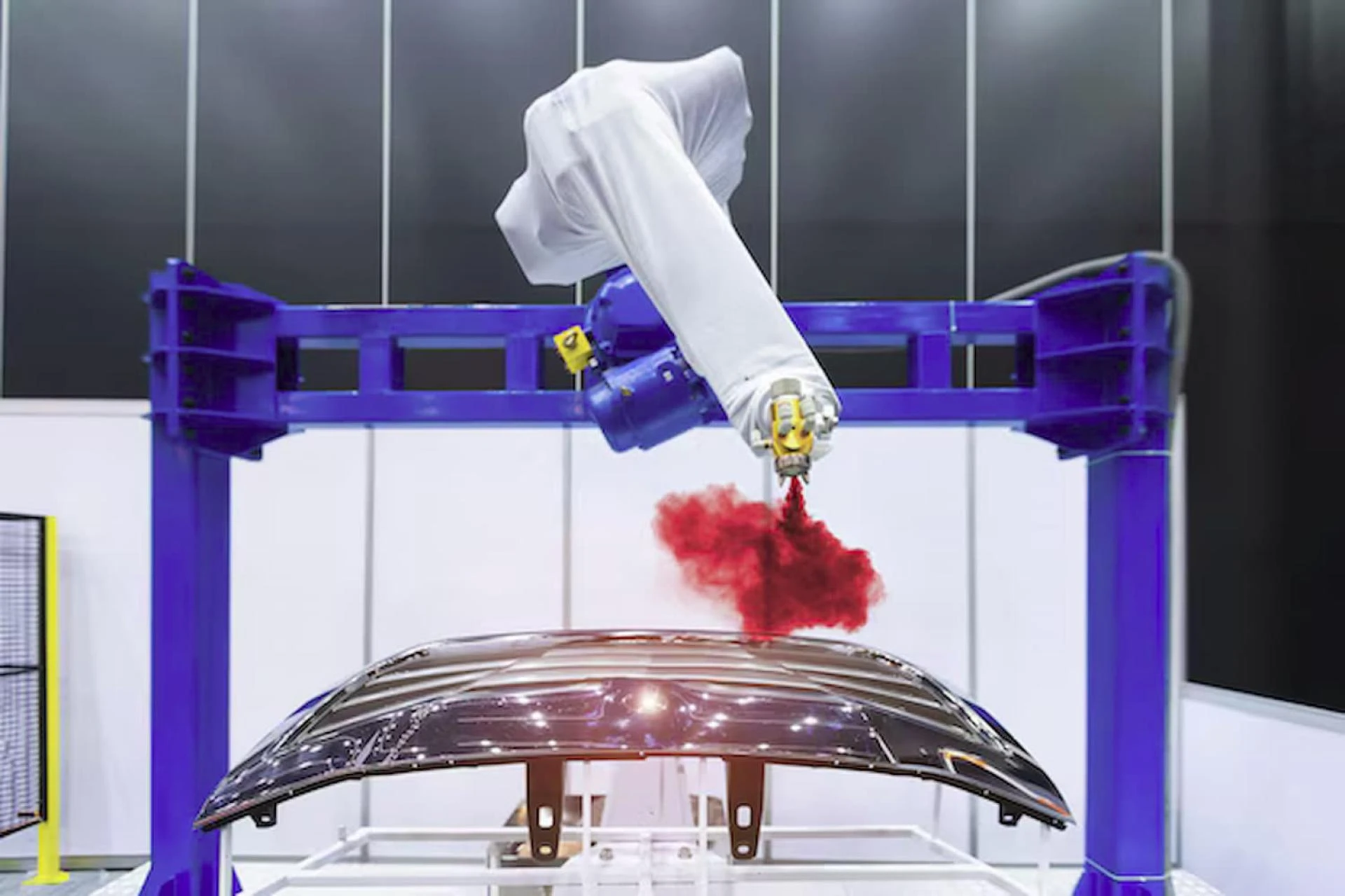

The aerospace industry operates under some of the most stringent regulatory frameworks in the world. Precision, traceability, safety, and reliability are non negotiable requirements. Within this highly controlled environment, aerospace build to print services play a critical role in manufacturing components exactly according to customer provided engineering drawings and specifications.
Unlike design build programs where the manufacturer participates in product development, aerospace build to print services focus on executing pre approved designs with absolute accuracy. This responsibility requires strict adherence to regulatory standards, quality management systems, documentation protocols, and customer specifications. Compliance is not simply a procedural requirement. It is the foundation that ensures airworthiness, safety, and long term operational performance.
The following sections outline the key compliance requirements governing aerospace build to print services and explain how manufacturers maintain consistent adherence to global aerospace standards.
Understanding Aerospace Build to Print Services
Before exploring compliance in depth, it is important to define the scope of aerospace build to print services.
Definition and Scope
Aerospace build to print services involve manufacturing components based strictly on technical drawings, material specifications, and process instructions supplied by an original equipment manufacturer or prime contractor. The service provider does not modify the design unless formally authorized.
This approach demands disciplined manufacturing execution, strict configuration control, and accurate documentation.
Role in the Aerospace Supply Chain
Build to print suppliers form a critical part of the aerospace supply chain. They produce structural components, brackets, machined parts, assemblies, and composite structures that integrate into larger aircraft systems.
Since these components may directly impact flight safety, compliance with aerospace regulations is mandatory at every stage of production.
Quality Management System Requirements
Quality management systems are the foundation of compliance in aerospace build to print services.
Aerospace Specific Quality Certifications
Manufacturers providing aerospace build to print services must maintain industry recognized quality certifications tailored to aviation requirements. These certifications demonstrate structured processes, traceability systems, risk management protocols, and continuous improvement practices.
A compliant quality system ensures that production activities are documented, monitored, and validated consistently.
Process Control and Documentation
Every manufacturing step must be documented and controlled. Work instructions, inspection procedures, and operator training records are maintained to demonstrate compliance.
In aerospace build to print services, process control ensures that the final product precisely matches the approved engineering documentation.
Internal and External Audits
Regular internal audits evaluate process effectiveness and identify areas for improvement. External audits conducted by customers and regulatory bodies verify compliance with industry standards.
Audit readiness is a continuous requirement, not a one time event.
Configuration Management and Traceability
Traceability is a cornerstone of aerospace compliance.
Material Traceability Systems
All raw materials used in aerospace build to print services must be traceable to certified sources. Material certifications confirm chemical composition, mechanical properties, and manufacturing origin.
Traceability allows manufacturers and regulators to track components back to their source in case of performance concerns.
Revision Control and Engineering Changes
Strict configuration management ensures that production aligns with the latest approved design revision. Any changes to drawings or specifications must follow formal engineering change processes.
Failure to control revisions can result in non conforming components and regulatory violations.
Serialization and Part Identification
Serialized components enable lifecycle tracking from manufacturing through operational service. Unique identifiers allow precise documentation of installation, maintenance, and replacement history.
Serialization enhances accountability and safety.
Regulatory Compliance and Airworthiness Standards
Aerospace build to print services must align with national and international aviation regulations.
Adherence to Airworthiness Requirements
Components manufactured under build to print contracts must comply with airworthiness standards defined by regulatory authorities. These standards address structural integrity, material suitability, and performance reliability.
Compliance ensures that finished components are eligible for installation in certified aircraft.
Special Process Certifications
Certain manufacturing processes such as heat treatment, welding, surface finishing, and non destructive testing require additional certification.
Suppliers must demonstrate validated procedures and qualified personnel to perform these special processes.
Export Control and Trade Compliance
Aerospace components may fall under export control regulations depending on their application. Manufacturers providing aerospace build to print services must implement systems to ensure compliance with trade regulations.
Proper documentation and access controls are essential to prevent unauthorized technology transfer.
Inspection and Testing Requirements
Inspection and testing are critical to verifying compliance in aerospace build to print services.
Incoming Material Inspection
All raw materials undergo inspection to confirm compliance with specified standards. Dimensional verification, chemical analysis, and mechanical testing ensure suitability before production begins.
In Process Inspection
Manufacturing stages include scheduled inspection points to verify dimensional accuracy and process compliance. First article inspections confirm that initial production units meet all design requirements.
Continuous monitoring reduces the risk of defects.
Final Inspection and Verification
Before shipment, completed components undergo comprehensive inspection. Documentation packages including inspection reports, material certifications, and compliance statements accompany each delivery.
These records provide customers with assurance that components meet required standards.
Risk Management and Non Conformance Control
Even with strict processes, non conformances may occur. Effective risk management ensures prompt resolution.
Corrective and Preventive Actions
When deviations are identified, manufacturers initiate corrective action procedures to determine root causes and implement solutions. Preventive measures reduce the likelihood of recurrence.
Structured corrective action systems demonstrate commitment to compliance.
Non Conformance Documentation
Non conforming parts are documented, segregated, and evaluated according to defined procedures. Disposition decisions are approved by authorized personnel.
Transparent documentation supports regulatory accountability.
Cybersecurity and Data Protection
Digital integration has introduced new compliance considerations.
Protection of Engineering Data
Build to print programs require secure handling of proprietary engineering drawings and technical data. Cybersecurity measures protect sensitive information from unauthorized access.
Secure data management systems are essential for maintaining customer trust.
Compliance with Data Security Standards
Manufacturers must align with industry specific cybersecurity frameworks. Access controls, encrypted communication channels, and regular system audits strengthen data integrity.
Cyber compliance is increasingly recognized as part of overall aerospace quality assurance.
Workforce Training and Qualification
Human expertise plays a crucial role in compliance.
Operator Certification and Training
Personnel performing manufacturing and inspection tasks must be properly trained and certified. Records of qualifications are maintained as part of compliance documentation.
Skilled operators ensure consistent execution of aerospace build to print services.
Continuous Education Programs
Ongoing training programs keep employees updated on regulatory changes, new technologies, and quality standards.
A knowledgeable workforce supports sustainable compliance.
Continuous Improvement and Process Optimization
Compliance is not static. Continuous improvement strengthens long term performance.
Lean Manufacturing Integration
Lean practices improve efficiency while maintaining strict quality control. Process optimization reduces waste and enhances consistency.
Efficient operations contribute to reliable aerospace build to print services.
Data Driven Performance Monitoring
Manufacturers use performance metrics to monitor defect rates, process stability, and delivery timelines. Data analysis supports proactive improvement initiatives.
Continuous improvement aligns operational efficiency with regulatory compliance.
The Importance of Supplier Qualification
Prime contractors carefully evaluate build to print suppliers before awarding contracts.
Supplier Audits and Capability Assessments
Customers assess technical capabilities, quality systems, financial stability, and regulatory compliance before engagement.
Demonstrated compliance readiness increases competitiveness in aerospace supply chains.
Long Term Partnership Development
Reliable aerospace build to print services providers focus on building long term relationships. Consistent quality and transparency foster trust and collaboration.
Partnership driven approaches enhance program success.
Conclusion
Compliance requirements in aerospace build to print services are comprehensive and rigorous. From quality management systems and traceability to regulatory alignment and cybersecurity protection, every process must support safety and airworthiness.
Manufacturers that invest in structured quality frameworks, workforce training, and continuous improvement position themselves as reliable partners within the aerospace ecosystem. Strict adherence to compliance standards ensures that build to print components meet the exacting demands of modern aviation.
Organizations seeking dependable aerospace build to print services backed by robust compliance systems can consider industry leaders such as Swift Engineering Inc., known for delivering precision manufacturing solutions aligned with aerospace regulatory requirements.





























Sign in to leave a comment.