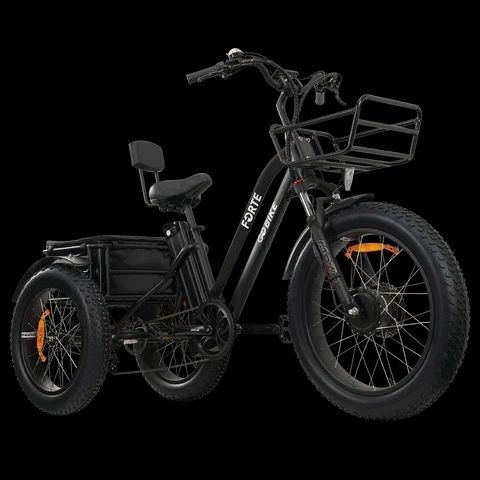

The advent of electric tricycles has sparked a transformative shift in the urban transportation landscape, catalyzing the drive towards more sustainable cities. These three-wheeled vehicles combine innovation with environmental consciousness, addressing critical challenges such as traffic congestion, air pollution, and limited parking space. The electric tricycle's compact design and efficient electric propulsion offer a compelling solution for short-distance commutes, enabling convenient mobility while significantly reducing carbon emissions. By producing little to no exhaust fumes and generating minimal noise pollution, these vehicles contribute to cleaner and quieter urban environments, enhancing the overall quality of life for city residents.
One of the electric tricycle's most remarkable impacts is its potential to alleviate traffic congestion. In many urban centers, traffic congestion has become a perpetual woe, leading to lost productivity, increased stress levels, and prolonged travel times. Electric tricycles provide a feasible alternative, as their smaller size allows them to navigate through congested areas with ease, bypassing gridlocked traffic and accessing spaces that traditional cars cannot. This not only reduces commute times for individuals but also aids in decongesting roadways, ultimately fostering a more fluid and efficient traffic flow.
Air pollution, another pressing concern for cities, is significantly mitigated by the widespread adoption of electric tricycles. Conventional internal combustion engine vehicles are notorious for emitting pollutants that deteriorate air quality and jeopardize public health. Electric tricycles, powered by clean and renewable electricity, produce zero tailpipe emissions, thereby curbing the release of harmful particulates and greenhouse gases. As these tricycles gain traction, the overall air quality of urban areas improves, reducing the incidence of respiratory illnesses and promoting a healthier populace.
Furthermore, the compact nature of electric tricycle addresses the challenge of limited parking space in urban landscapes. The escalating scarcity of parking spots has long been a vexing issue, compelling city planners to devise creative solutions. Electric tricycles require significantly fewer parking spaces compared to traditional cars, and their maneuverability facilitates innovative parking solutions, such as designated charging and parking stations. This efficient land use not only frees up valuable urban real estate but also encourages a transition away from car-centric infrastructure, fostering walk able and cyclist-friendly environments.
In conclusion, the rise of electric tricycles marks a pivotal moment in the journey towards sustainable cities. Their ability to ease traffic congestion, reduce air pollution, and optimize land utilization underscores their potential as catalysts for positive urban transformation. As urbanization intensifies and the imperative for sustainability grows stronger, electric tricycles offer an innovative and pragmatic approach to reshaping our cities into cleaner, more efficient and more livable spaces. However, realizing their full impact necessitates collaborative efforts between governments, manufacturers, and citizens to invest in infrastructure, incentivize adoption, and embrace a future where electric tricycles are integral to the urban fabric.


























Sign in to leave a comment.