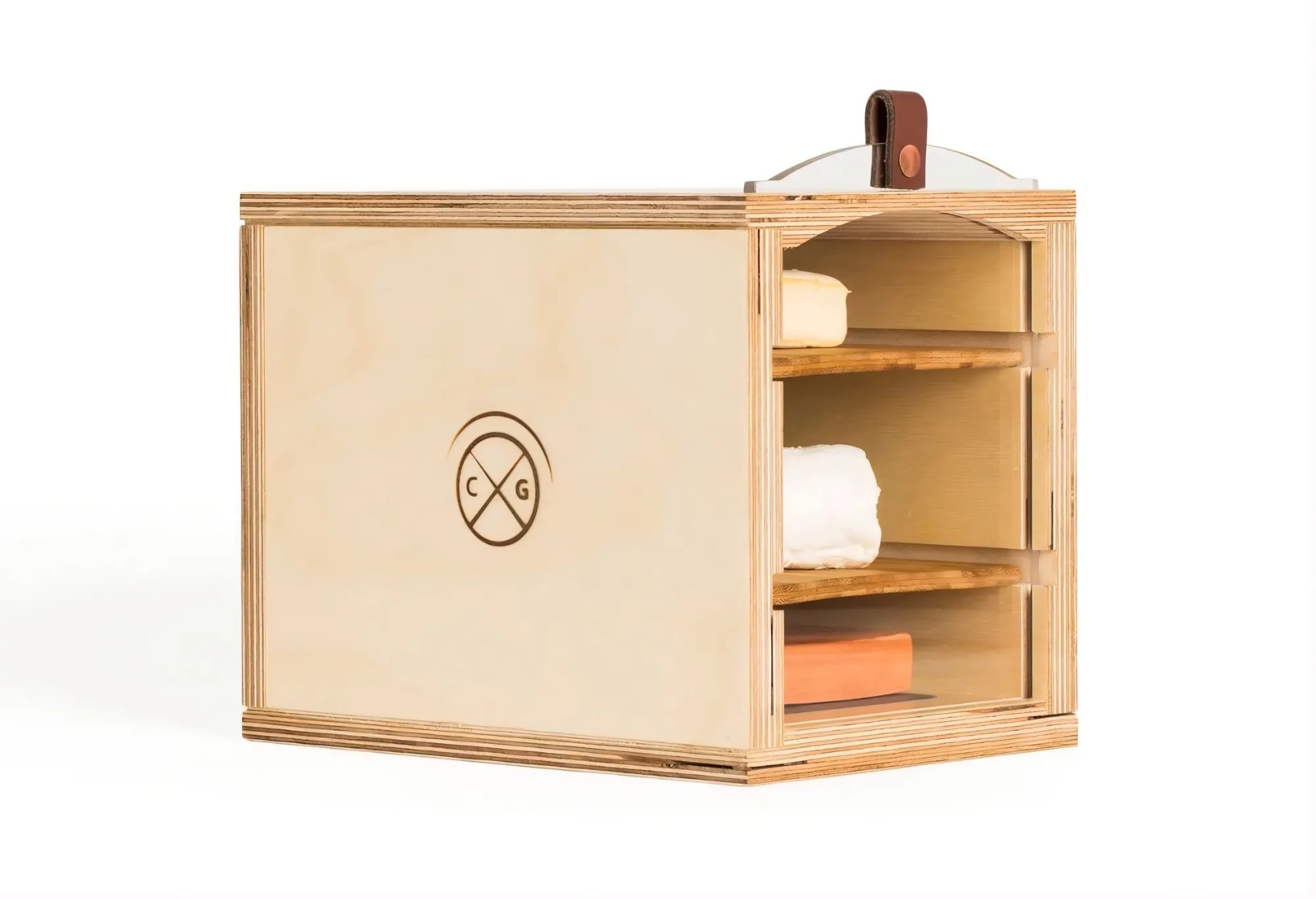

Quick Answer
A Cheese Grotto Box helps cheese stay fresh by giving it a more suitable storage environment than tight plastic wrap or ordinary containers. Cheese needs protection from dry refrigerator air, but it also needs controlled airflow and moisture. Better storage helps preserve texture, aroma, and flavor after the cheese has been cut.
Most people do not ruin cheese because they buy the wrong cheese. They ruin it because they store it the wrong way.
You bring home a wedge of cheddar, brie, Gouda, or blue cheese. It tastes great on the first day. A few days later, the edges feel dry, the aroma changes, or the surface becomes wet and unappealing. That usually happens when cheese is wrapped too tightly, exposed to dry air, or stored without enough moisture balance.
Cheese is not like crackers, rice, or leftover pasta. It is active, delicate, and sensitive to its environment. Once it is cut, it still needs care. The goal is not simply to close it inside a container. The goal is to protect it while still letting it breathe.
Why Does Cheese Go Bad So Quickly After Opening?
Cheese changes after it is cut. The inside is exposed to air, refrigerator dryness, light, wrapping materials, and nearby food odors.
If cheese is left uncovered, it can dry out. If it is wrapped too tightly, moisture and gases can get trapped. Both problems affect the eating experience.
Dry cheese can become hard around the edges. Soft cheese can lose its creamy texture. Bloomy rind cheese can become too damp. Blue cheese can become stronger than expected when stored carelessly.
This is why good storage is not just about shelf life. It is about keeping the cheese pleasant to eat.
What Does Cheese Actually Need in Storage?
Cheese needs three things from a storage method.
First, it needs protection from dry refrigerator air. Cold air can pull moisture from cheese and make the surface firm or cracked.
Second, it needs some breathability. Cheese should not be completely sealed off from airflow for long periods.
Third, it needs moisture control. Too little moisture dries cheese out. Too much moisture can make the surface sticky or encourage unwanted spoilage.
This balance is where cheese box storage can help, especially for people who buy artisan cheese often or keep several styles at home.
Why Plastic Wrap Is Not Always the Best Choice
Plastic wrap feels convenient, but it is not always friendly to cheese.
For very short-term use, it may be fine for some everyday cheeses. But for specialty cheese, plastic can trap moisture directly against the surface. It can also limit airflow, which may change the aroma and texture.
The problem is not that plastic protects too little. The problem is that it often protects in the wrong way.
Cheese needs a storage environment that keeps it from drying out without locking it into a wet, airless space.
How Better Storage Helps Flavor and Texture
Good storage helps cheese keep the qualities you paid for.
Aged cheese should stay firm but not dried out. Brie-style cheese should stay soft without becoming wet. Blue cheese should stay flavorful without overpowering everything nearby. Semi-firm cheese should slice cleanly and still taste balanced.
When storage is poor, cheese often needs trimming before serving. That means waste, lost flavor, and less value from every purchase.
When storage is better, the cheese is easier to serve and more enjoyable at the table. This matters for cheese boards, family snacks, wine nights, holiday hosting, and gifts.
When Should You Use a Dedicated Cheese Storage Setup?
A dedicated storage setup makes sense if you answer yes to any of these questions:
Do you buy specialty cheese more than once a month?
Do you keep more than one cheese style in the refrigerator?
Do you build cheese boards for guests?
Do you often throw away dried cheese edges?
Do you dislike using plastic wrap again and again?
Do you want cheese ready for serving without heavy rewrapping?
If you only buy one small block of grocery-store cheese occasionally, a basic method may be enough. But if you buy better cheese, it deserves better storage.
What Makes Cheese Grotto Different From a Regular Container?
A regular container mainly closes cheese away from the refrigerator. Cheese Grotto is designed around how cheese behaves.
The brand’s storage models use breathable construction, a humidifying clay brick, and model options for different storage needs. The purpose is to create a more cheese-friendly space that supports airflow and moisture instead of trapping cheese in plastic.
This matters because cheese is not only stored for safety. It is stored for texture, aroma, and serving quality.
Cheese Grotto also offers different sizes, which makes the choice more practical. A casual cheese lover may need a smaller setup. A serious home entertainer may need more space for multiple wedges.
How to Choose the Right Storage Method
Start with your buying habits.
If you usually keep one small piece of cheese at a time, choose something compact and easy to clean. If you buy multiple styles, look for more space and better separation.
Think about the types of cheese you enjoy. Soft cheeses need gentle handling. Aged cheeses need protection from drying. Blue cheeses need a space that controls aroma without sealing them too tightly.
Also think about how you serve cheese. If you often prepare cheese boards, storage should make serving easier, not harder.
For more practical storage details, Cheese Grotto’s cheese box storage guide explains how different wrapping and storage methods affect cheese quality:
Simple Mistakes to Avoid
Do not leave cut cheese uncovered in the refrigerator. It can dry out quickly.
Do not wrap specialty cheese too tightly for too long. It may trap moisture and dull the flavor.
Do not store every cheese the same way. Fresh, bloomy, aged, washed rind, and blue cheeses have different needs.
Do not serve cheese straight from the coldest part of the refrigerator when flavor matters. Many cheeses taste better after a short rest before serving.
Do not ignore smell, texture, and surface changes. Cheese naturally changes, but unpleasant odors, sliminess, or unusual growth can signal poor storage or spoilage.
Who Benefits Most From Better Cheese Storage?
Better storage is especially useful for cheese lovers, home entertainers, gift buyers, and anyone who spends money on artisan cheese.
It is also helpful for people who want to reduce food waste. When cheese lasts longer and tastes better, less gets thrown away.
Home cooks benefit too. Cheese that is stored well is easier to slice, grate, melt, and serve.
A good storage method does not need to feel complicated. It should make cheese care easier and more reliable.
Final Takeaway
The best cheese storage method should protect cheese without suffocating it. It should manage moisture, allow controlled airflow, reduce waste, and keep cheese enjoyable until you are ready to serve it.
If you regularly buy artisan cheese or want a cleaner way to store several styles at home, compare the Cheese Grotto models here: A Cheese Grotto Box can be a practical choice for people who want cheese to stay fresher, taste better, and be easier to serve.
FAQs
Why does cheese dry out in the refrigerator?
Refrigerator air is cold and dry. If cheese is not protected properly, moisture leaves the surface, which can make the edges hard or cracked.
Is plastic wrap bad for cheese?
Plastic wrap is not always bad for short use, but it can trap moisture and limit airflow. Specialty cheese usually needs a more breathable storage method.
Should cheese be stored in an airtight container?
Not always. Airtight containers can protect cheese from dry air, but they may also trap moisture and odors. Cheese usually needs some controlled breathability.
What is the best storage method for artisan cheese?
The best method protects cheese from drying while allowing airflow and moisture balance. Dedicated cheese storage systems are useful for frequent artisan cheese buyers.
Can better storage reduce cheese waste?
Yes. Better storage can help reduce dried edges, texture loss, and unnecessary trimming, so more of the cheese stays enjoyable for serving.
































Sign in to leave a comment.