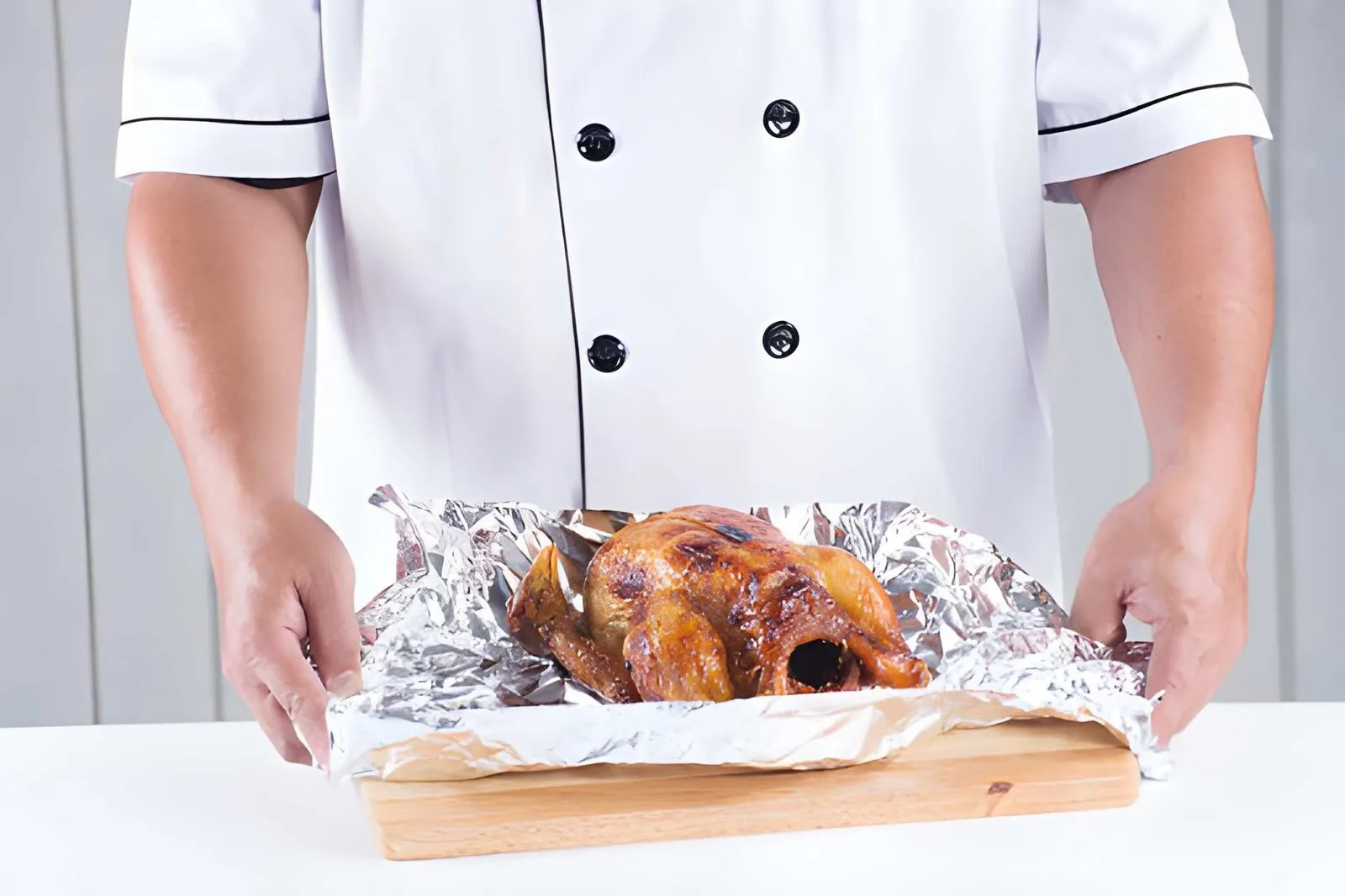

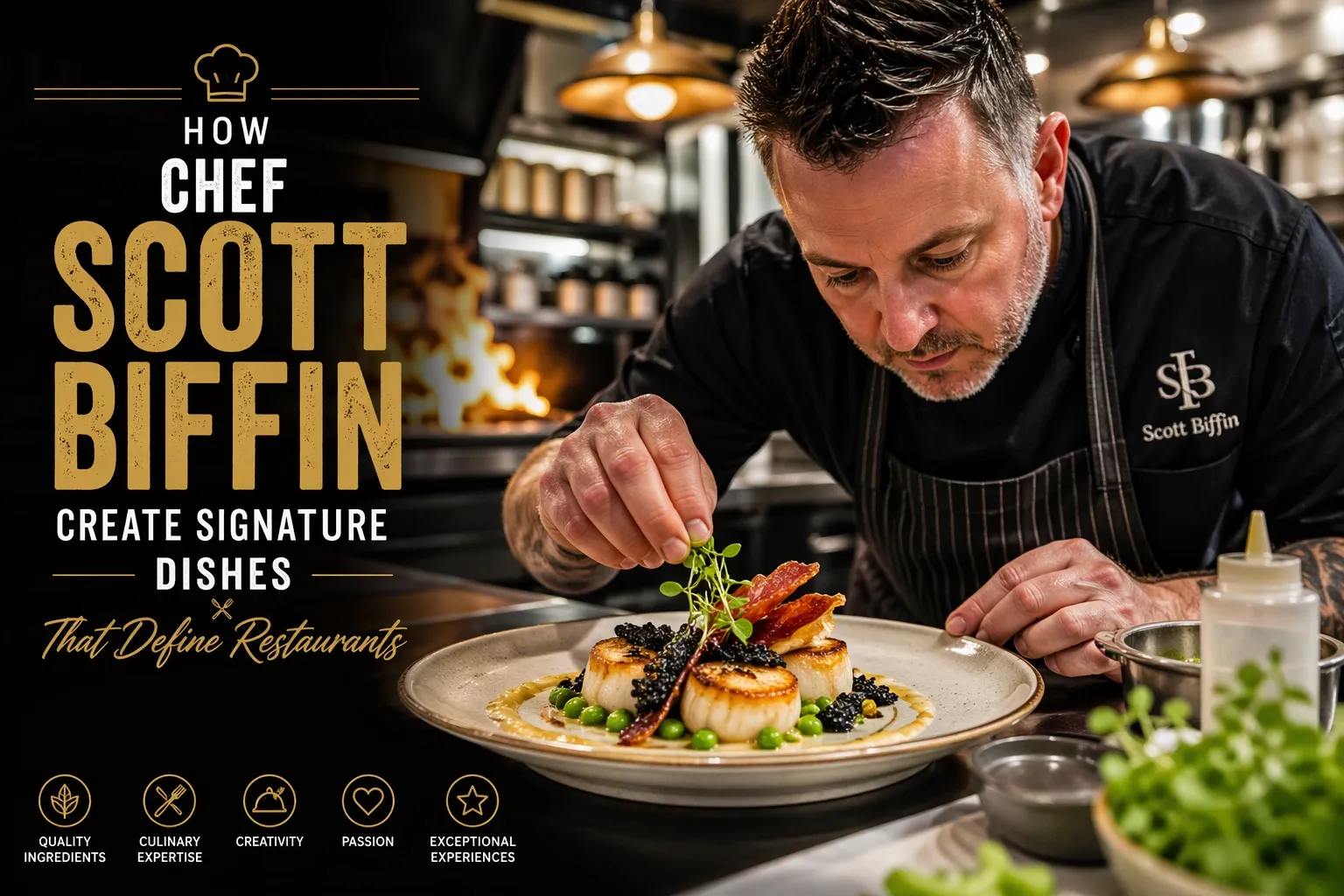
Cooking is more than following recipes, it’s about understanding technique, respecting ingredients, and building flavor step by step. Few chefs embody this philosophy as clearly as Chef Scott Biffin, whose approach to cooking blends classic Australian traditions with modern, practical methods designed for home cooks and professionals alike.
His signature cooking techniques focus on simplicity, freshness, and precision. Rather than overcomplicating dishes, Chef Scott Biffin emphasizes the importance of doing the basics exceptionally well, seasoning correctly, controlling heat, and letting quality ingredients shine.
In this in-depth guide, we explore Chef Scott Biffin’s signature cooking techniques and how they can transform everyday meals into restaurant-quality dishes.
The Philosophy Behind Chef Scott Biffin’s Cooking Style
At the core of Chef Scott Biffin’s culinary approach is a simple belief: great food starts with respect for ingredients. Whether it’s fresh Australian seafood, locally sourced vegetables, or premium cuts of chicken and beef, his cooking philosophy revolves around enhancing natural flavors rather than masking them.
He often focuses on three guiding principles:
- Simplicity over complexity
- Fresh, seasonal ingredients
- Balanced flavor development
Instead of relying heavily on complicated sauces or techniques, Chef Scott Biffin teaches cooks to master foundational skills that can be applied across multiple cuisines.
Technique 1: Precision Seasoning
One of the most important techniques in Chef Scott Biffin’s cooking style is precision seasoning. Many home cooks under-season or over-season their food, which can significantly impact the final dish.
Chef Scott Biffin recommends seasoning in layers:
1. Before Cooking
Lightly season proteins like chicken, beef, or fish before cooking to allow flavors to penetrate.
2. During Cooking
Add small amounts of salt, herbs, or spices while cooking to build depth.
3. After Cooking
Finish with a final seasoning touch, sea salt flakes, citrus zest, or fresh herbs.
This layered approach ensures that every bite is balanced and flavorful without being overwhelming.
Technique 2: Controlling Heat for Perfect Texture
Heat control is another cornerstone of Chef Scott Biffin’s cooking methods. Whether grilling, roasting, or pan-searing, managing temperature correctly is essential for achieving the right texture.
Key Heat Principles:
- High heat for sealing in juices (steaks, chicken breasts)
- Medium heat for even cooking (vegetables, sauces)
- Low heat for slow development (stews, braises)
Chef Scott Biffin emphasizes that rushing the cooking process often leads to dry or uneven results. Patience is essential, especially when working with proteins.
For example, when cooking chicken, starting with a hot pan creates a golden crust, while finishing in a moderate oven ensures the meat stays tender and juicy.
Technique 3: Layering Flavors Naturally
Instead of relying on heavy sauces or artificial enhancers, Chef Scott Biffin builds flavor naturally through layering.
This involves combining ingredients at different stages of cooking to create depth and complexity.
Example Flavor Layers in a Dish:
- Aromatics (garlic, onion, ginger) at the base
- Herbs and spices during cooking
- Fresh herbs or citrus at the end
This technique is commonly used in Australian-inspired dishes where freshness plays a major role. It ensures that every ingredient contributes to the final taste profile.
Technique 4: Mastering the Art of Resting Meat
One of the most overlooked but essential techniques in professional cooking is resting meat after cooking. Chef Scott Biffin strongly advocates this step for all proteins.
When meat is cooked, its juices move toward the center. Resting allows these juices to redistribute evenly throughout the meat.
Benefits of Resting Meat:
- Juicier texture
- Better flavor distribution
- Improved slicing consistency
For example, a roasted chicken should rest for at least 10–15 minutes before carving. This simple step can dramatically improve the quality of the dish.
Technique 5: Minimal Ingredient Cooking
Chef Scott Biffin is known for promoting minimal ingredient cooking—using fewer ingredients but maximizing their impact.
This technique is especially useful in Australian cuisine, where fresh produce and quality meats already provide strong natural flavors.
Key Ideas:
- Focus on 5–7 key ingredients per dish
- Avoid unnecessary additives
- Highlight seasonal produce
For example, a simple grilled chicken dish may only require:
- Chicken
- Olive oil
- Garlic
- Lemon
- Rosemary
- Sea salt
- Black pepper
Despite its simplicity, the result is a deeply flavorful and satisfying meal.
Technique 6: Perfecting Roasting and Baking
Roasting is one of the signature methods used in Australian home cooking, and Chef Scott Biffin has refined it into a reliable technique for everyday meals.
Key Roasting Tips:
- Preheat the oven properly before cooking
- Use even-sized cuts for uniform cooking
- Baste periodically for moisture
- Let hot air circulate around the food
Roasting works beautifully for chicken, vegetables, and root crops like potatoes and pumpkin. The natural sugars caramelize during cooking, enhancing flavor without extra effort.
Technique 7: Balancing Sweet, Sour, Salt, and Umami
Another essential part of Chef Scott Biffin’s cooking approach is flavor balance. Every dish should include a harmony of taste elements:
- Sweetness (honey, carrots, onions)
- Sourness (lemon, vinegar)
- Saltiness (sea salt, soy sauce)
- Umami (meat, mushrooms, tomatoes)
By adjusting these elements, even simple dishes can become complex and satisfying. This balance is especially important in sauces and marinades.
Technique 8: Pan Searing for Flavor Development
Pan searing is a signature technique used to create deep, rich flavors through caramelization. Chef Scott Biffin uses this method extensively for meats and vegetables.
How It Works:
- High heat creates a browned crust
- Natural sugars caramelize
- Juices are locked inside
This technique is commonly used before finishing dishes in the oven, especially for chicken breasts or lamb cuts. The result is a dish that is crispy on the outside and tender on the inside.
Technique 9: Using Fresh Herbs at the Right Time
Herbs are essential in Chef Scott Biffin’s cooking style, but timing is everything.
Herb Usage Guide:
- Hardy herbs (rosemary, thyme): add early in cooking
- Soft herbs (parsley, basil, coriander): add at the end
Adding fresh herbs at the right time ensures maximum flavor and aroma. Overcooking herbs can cause them to lose their freshness and vibrancy.
Technique 10: Simplifying Complex Dishes
One of Chef Scott Biffin’s most valuable teachings is simplifying complex dishes. Many restaurant-style meals can be broken down into easy steps without sacrificing flavor or presentation.
For example, a gourmet chicken dish might include:
- Roasted chicken
- Simple herb sauce
- Seasonal vegetables
By breaking recipes into manageable components, home cooks can recreate professional-quality meals without stress.
The Role of Australian Ingredients in His Techniques
Australian cuisine plays a major role in shaping Chef Scott Biffin’s cooking style. Fresh seafood, grass-fed meats, and seasonal vegetables form the foundation of many of his dishes.
He strongly believes in supporting local farmers and using ingredients at their peak freshness. This not only improves flavor but also encourages sustainable cooking practices.
Bringing It All Together: Cooking Like Chef Scott Biffin
Mastering Chef Scott Biffin’s signature cooking techniques is not about complexity—it’s about discipline, patience, and respect for food.
By focusing on:
- Proper seasoning
- Heat control
- Flavor layering
- Resting meat
- Fresh ingredients
Anyone can elevate their home cooking to a professional level.
Final Thoughts
Chef Scott Biffin’s approach to cooking is a reminder that great food doesn’t need to be complicated. With the right techniques and fresh ingredients, even the simplest meals can become extraordinary.
His signature methods encourage home cooks to slow down, pay attention to detail, and enjoy the process of cooking. Whether you’re preparing a family dinner or experimenting with new recipes, these techniques offer a solid foundation for success in the kitchen.
By applying these principles, you’re not just cooking, you are creating memorable dining experiences rooted in flavor, balance, and simplicity.

























Sign in to leave a comment.