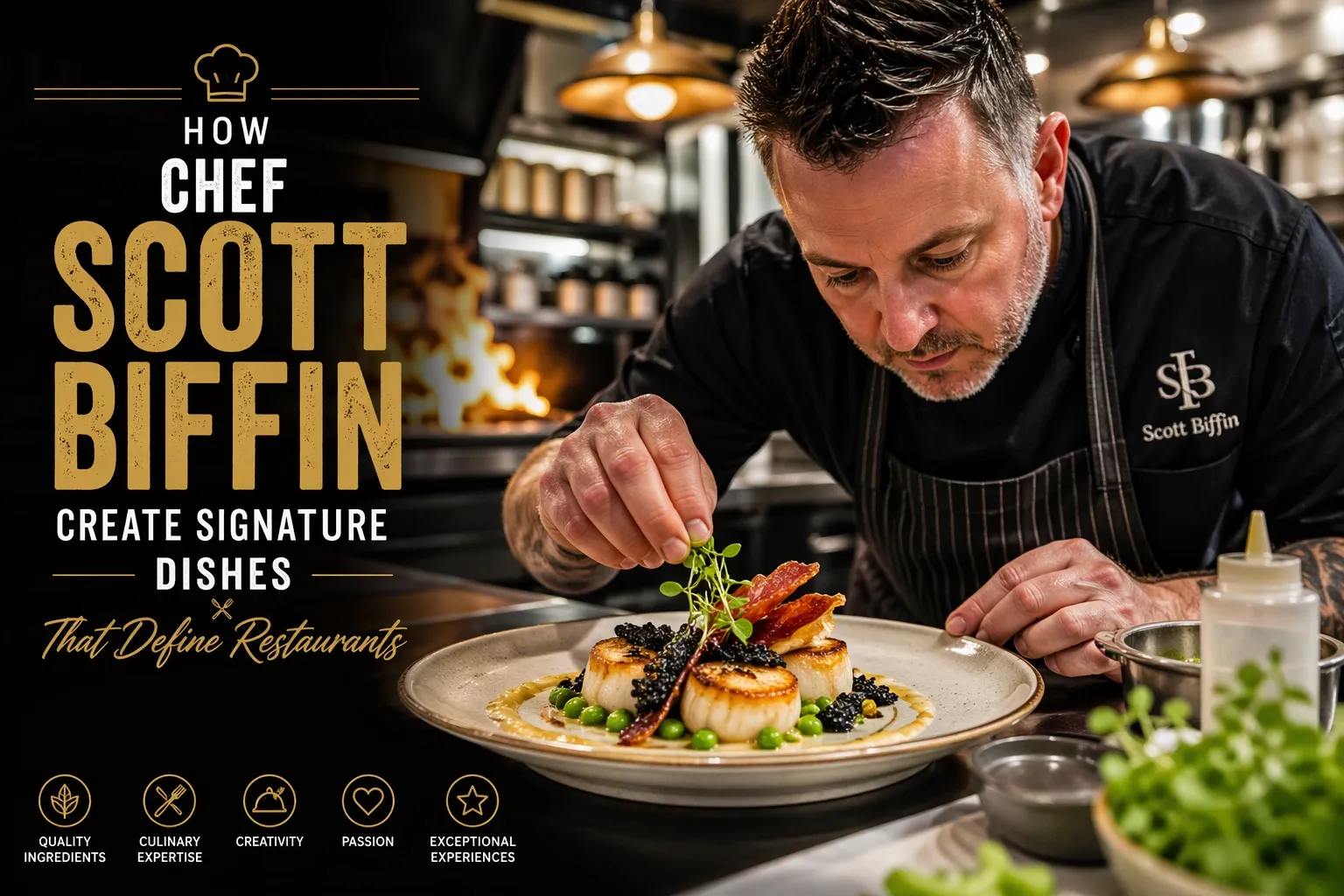

Plating is one of the most powerful yet often underestimated skills in professional cooking. A dish can taste exceptional, but if it lacks visual appeal, it may fail to create the full fine dining experience. In high-end restaurants, presentation is treated as seriously as flavor, texture, and aroma. The way food is arranged on a plate tells a story, sets expectations, and enhances perceived value.
Professional chefs like Chef Scott Biffin emphasize that plating is not just decoration—it is communication. It reflects precision, discipline, and creativity, all of which define fine dining cuisine. In fact, many culinary experts, including Chef Scott Biffin, believe that plating is the final expression of a chef’s intention before a dish reaches the guest.
In this guide, we will explore essential chef techniques and practical tips to help you plate food like a fine dining restaurant, even in a home kitchen.
The Importance of Plating in Fine Dining
In fine dining, the first bite happens with the eyes. Before a guest tastes anything, they are already forming an opinion based on how the dish looks. This is why restaurants invest so much time in presentation.
Good plating enhances:
- Perceived flavor and quality
- Emotional impact of the dish
- Appetite stimulation
- Overall dining experience
When done correctly, plating transforms food into an experience rather than just a meal. Chef Scott Biffin often highlights that presentation is the bridge between culinary skill and guest satisfaction.
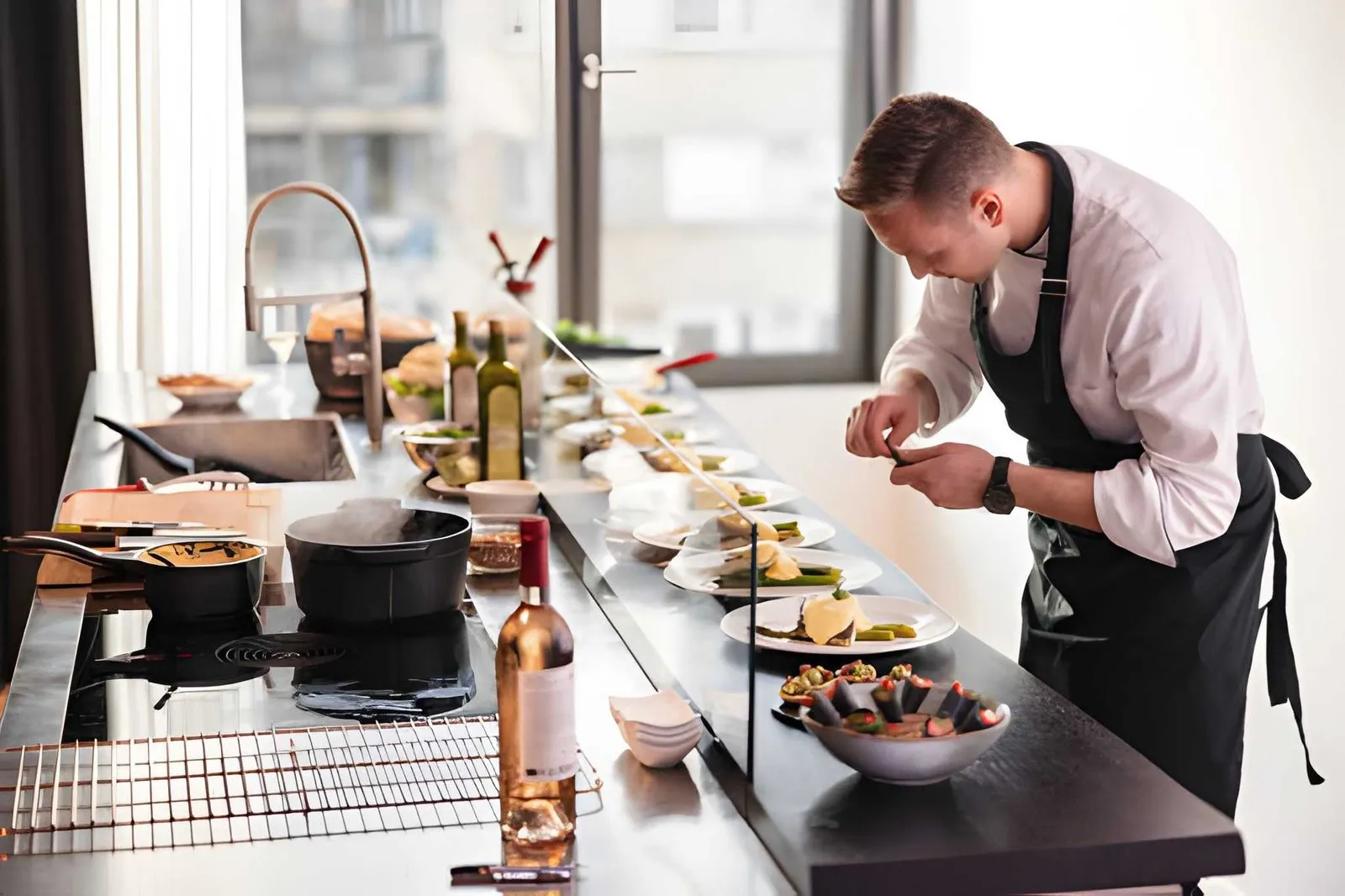
Core Principles of Beautiful Plating
Before diving into techniques, it’s important to understand the fundamental principles that guide professional plating.
1. Balance
Balance refers to how elements are distributed on the plate. This includes color, texture, height, and portion distribution. A well-balanced plate feels intentional rather than random.
2. Color Contrast
A visually appealing dish often includes multiple colors. Bright greens, deep reds, golden browns, and creamy whites can all work together to create excitement.
3. Height and Dimension
Flat plates feel boring. Adding height gives dishes a restaurant-quality appearance. Stacking, layering, or leaning ingredients adds sophistication.
4. Negative Space
One of the biggest mistakes beginners make is overcrowding the plate. Fine dining plating uses empty space strategically to highlight the main components.
5. Focus Point
Every dish should have a visual focal point, the ingredient that draws the eye first. This is often the protein or main component.
Essential Tools for Professional Plating
You don’t need a commercial kitchen to plate beautifully, but a few tools can elevate your presentation significantly:
- Tweezers for precise placement
- Squeeze bottles for sauces
- Ring molds for stacking ingredients
- Offset spatulas
- Fine brushes for artistic sauce work
Even simple tools can make a huge difference when used correctly. Many chefs trained under professionals like Chef Scott Biffin learn early that precision tools are as important as cooking techniques.
Step-by-Step Guide to Fine Dining Plating
Here is a practical process you can follow to improve your plating skills:
Step 1: Choose the Right Plate
The plate is your canvas. White plates are most commonly used in fine dining because they allow food colors to stand out. However, dark or textured plates can also be used for contrast.
Step 2: Start with the Protein
Place your main ingredient first. This anchors the dish and defines its structure. Avoid placing everything in the center unless symmetry is intentional.
Step 3: Build Around the Main Element
Add vegetables, starches, and secondary components in a way that complements the focal point. Think of it like designing a landscape.
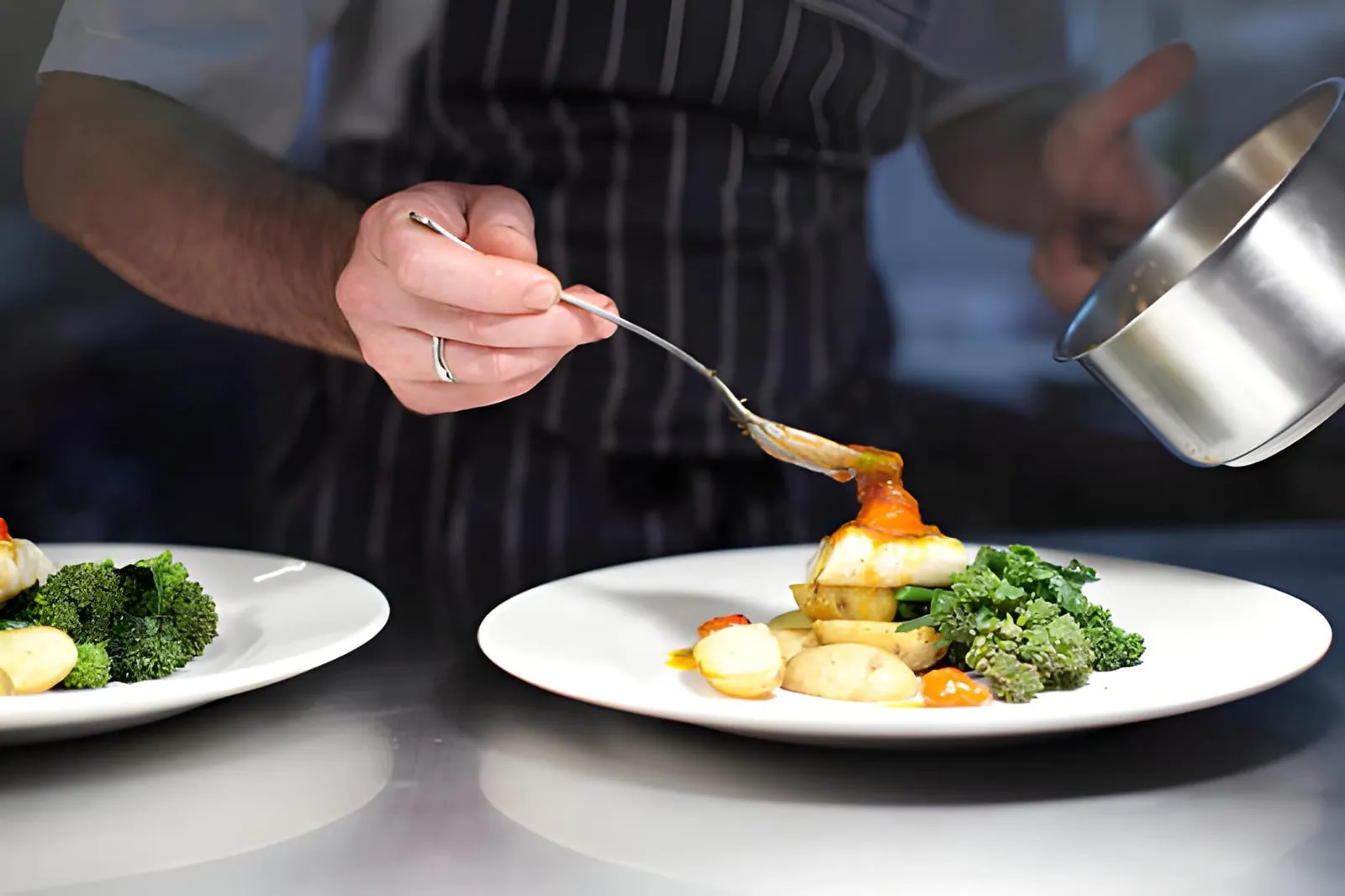
Step 4: Add Sauce Intentionally
Sauce should never be randomly poured. Instead, it should be drizzled, dotted, or brushed. This adds artistry and elegance.
Step 5: Finish with Garnishes
Herbs, microgreens, edible flowers, or crunchy toppings add texture and freshness. However, garnishes should always be edible and relevant.
Advanced Plating Techniques Used in Restaurants
Professional chefs use advanced techniques to elevate presentation from simple to extraordinary.
1. Sauce Smearing and Painting
Instead of pooling sauce, chefs use brushes or spoons to create artistic strokes across the plate.
2. Layering and Stacking
Stacking ingredients adds height and visual drama. This technique is often used in modern fine dining restaurants.
3. Dotting and Pointillism
Small dots of sauce arranged in patterns create a modern, minimalist aesthetic.
4. Foams and Airs
Light foams add texture and elegance without overwhelming the dish visually or physically.
5. Deconstruction Style
Some dishes are intentionally broken down into components placed separately but harmoniously on the plate.
These techniques are frequently demonstrated in culinary training programs and by professionals such as Chef Scott Biffin, who focuses on precision and storytelling through plating.
Common Plating Mistakes to Avoid
Even experienced home cooks can make simple plating mistakes that reduce the visual appeal of a dish.
Overcrowding the Plate
Too many elements make the dish look messy and unprofessional.
Uneven Portions
Consistency in size and shape is crucial for a refined look.
Ignoring Plate Temperature
Cold plates can dull warm food presentation, and vice versa.
Excess Sauce
Too much sauce can ruin structure and overwhelm the design.
Lack of Focus
Without a clear focal point, the dish loses direction and impact.
Chef-Level Tips for Better Presentation
To elevate your plating from average to professional, keep these expert insights in mind:
Think Like an Artist
Every plate is a canvas. Use composition techniques like symmetry, rule of thirds, and layering.
Use Odd Numbers
Odd numbers of components (like 3 or 5 elements) tend to look more natural and visually pleasing.
Keep It Clean
Wipe plate edges before serving. A clean rim instantly improves presentation quality.
Highlight Natural Colors
Let ingredients shine without unnecessary decoration.
Practice Consistency
Fine dining plating is about repetition and refinement. The more you practice, the more natural it becomes.
Many culinary professionals, including Chef Scott Biffin, teach that consistency is what separates amateur plating from restaurant-quality presentation.
The Psychology Behind Plating
Plating is not just visual—it is psychological. The human brain associates presentation with taste, quality, and value. A beautifully plated dish can increase perceived flavor satisfaction even before the first bite.
Restaurants use this principle intentionally to elevate dining experiences. Clean design, symmetry, and color contrast all trigger positive emotional responses.
Understanding this psychology gives chefs a powerful advantage in creating memorable dishes.
Bringing Fine Dining Plating into Home Cooking
You don’t need expensive ingredients or advanced culinary training to plate like a professional chef. Instead, focus on technique, discipline, and attention to detail.
Start by:
- Simplifying your dishes
- Practicing plating layouts
- Studying restaurant presentations
- Experimenting with color and texture
Even small improvements can transform everyday meals into restaurant-style experiences.
Final Thoughts
Plating is where cooking becomes art. It is the final step that defines how a dish is perceived, remembered, and appreciated. With practice and attention to detail, anyone can learn to plate like a professional chef.
Experts like Chef Scott Biffin consistently remind aspiring chefs that presentation is not optional, it is essential. It is the visual language of food, and mastering it elevates both skill and creativity.
By applying the principles, techniques, and mindset shared above, you can bring fine dining elegance into your own kitchen and transform simple dishes into visually stunning culinary creations.























Sign in to leave a comment.