Introduction
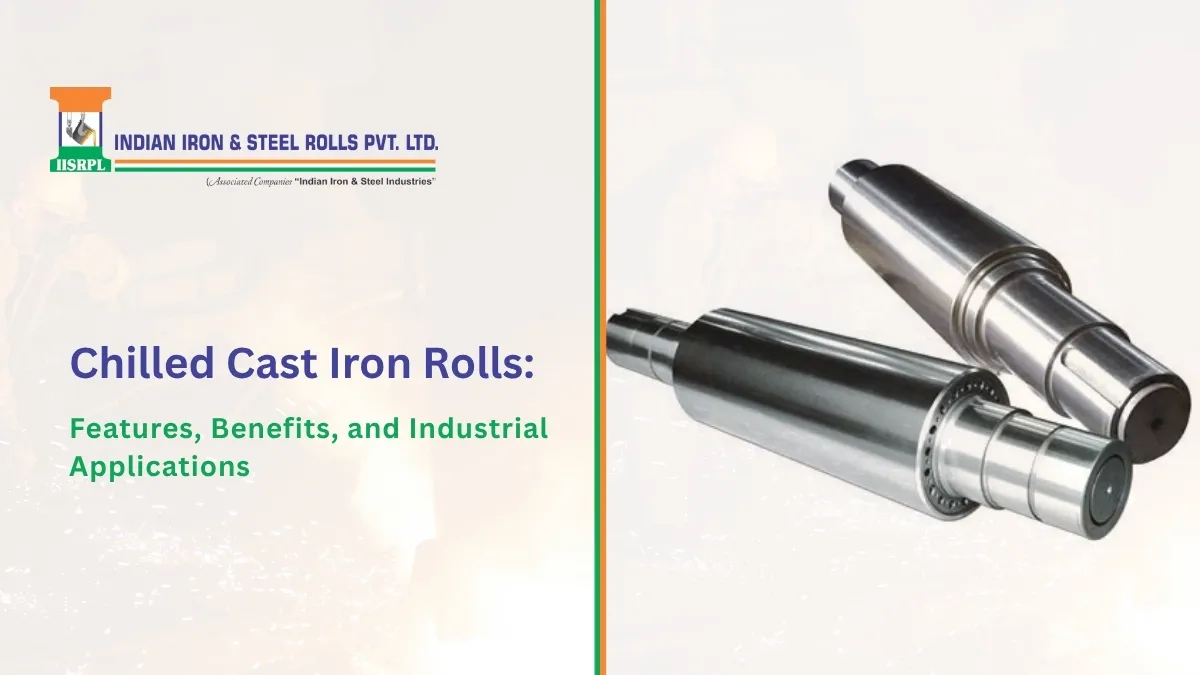
Industrial rolls are essential components in modern manufacturing processes, particularly in metal processing, paper production, textile manufacturing, and various other heavy industries. Among the different types of rolls available, chilled cast iron rolls are widely recognized for their exceptional hardness, wear resistance, and ability to maintain superior surface quality during operation.
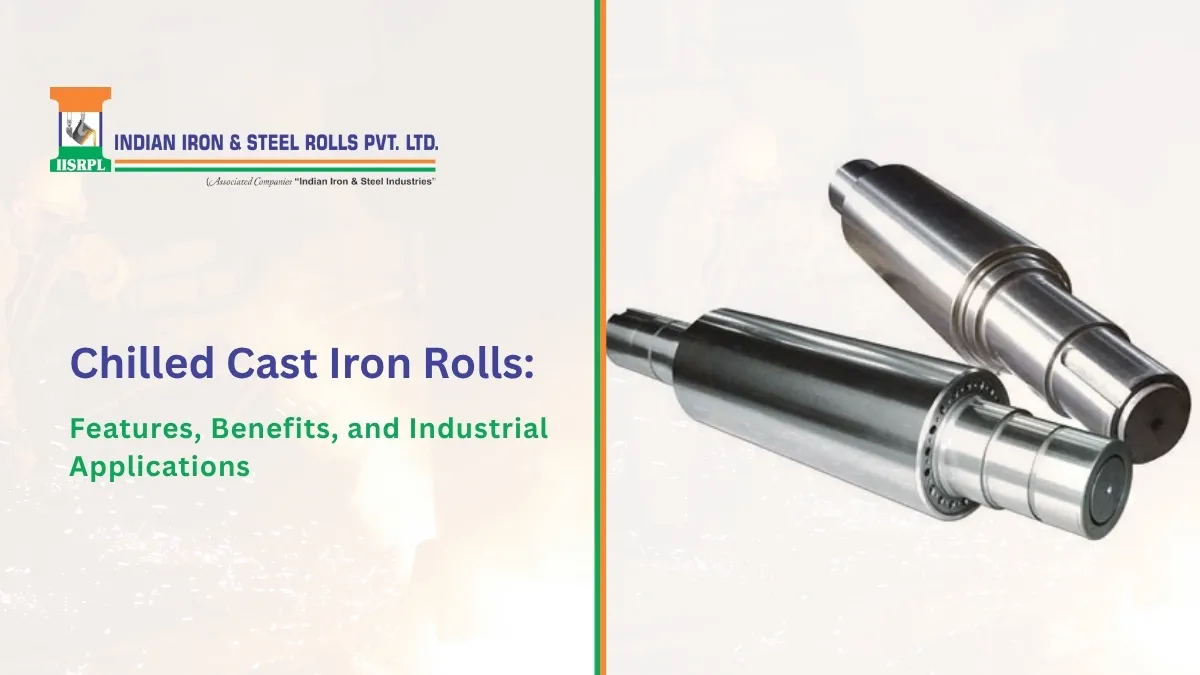
These rolls are specifically designed to withstand demanding working conditions while delivering consistent performance over extended periods. Their unique manufacturing process and mechanical properties make them a preferred choice for rolling mills and industrial processing applications worldwide.
What Are Chilled Cast Iron Rolls?
Chilled cast iron rolls are manufactured through a special casting process in which the outer surface of the roll is rapidly cooled during solidification. This rapid cooling creates a hard, wear-resistant outer layer known as the chilled layer, while the inner core remains relatively tough and resilient.
The combination of a hardened exterior and a strong internal structure allows chilled cast iron rolls to withstand heavy loads, continuous friction, and challenging operating environments. As a result, they are commonly used in applications requiring high surface hardness and long service life.
Key Features of Chilled Cast Iron Rolls
High Surface Hardness
One of the most notable characteristics of chilled cast iron rolls is their extremely hard outer surface. The chilled layer provides excellent resistance to abrasion and mechanical wear, making the rolls suitable for continuous industrial operations.
Excellent Wear Resistance
The hardened surface significantly reduces wear during operation, helping maintain dimensional accuracy and extending the lifespan of the roll.
Superior Surface Finish
Chilled cast iron rolls are capable of producing smooth and consistent finishes on processed materials. This characteristic is particularly valuable in applications where product appearance and precision are important.
Strong Internal Core
While the surface is highly hardened, the core remains comparatively tough, providing the strength needed to absorb operational stresses and impacts.
Good Dimensional Stability
These rolls maintain their shape and performance characteristics under varying operating conditions, ensuring consistent production quality.
Benefits of Chilled Cast Iron Rolls
Enhanced Productivity
The high wear resistance of chilled cast iron rolls allows for longer operating cycles without frequent maintenance or replacement. This contributes to increased production efficiency and reduced downtime.
Cost-Effective Operation
Because of their durability and extended service life, chilled cast iron rolls help reduce maintenance expenses and replacement costs over time.
Consistent Product Quality
The ability to maintain a stable surface finish throughout the production process ensures uniform product quality and dimensional accuracy.
Improved Operational Reliability
Industries benefit from dependable performance and reduced risk of unexpected equipment failures when using properly manufactured chilled cast iron rolls.
Long Service Life
The hardened surface layer provides excellent resistance to wear, allowing the rolls to perform effectively for extended periods even under demanding conditions.
Manufacturing Process
The production of chilled cast iron rolls involves several critical stages:
- Selection of high-quality cast iron materials.
- Controlled melting and alloy preparation.
- Casting into specially designed molds with chilling elements.
- Rapid cooling of the outer surface to create the hardened layer.
- Heat treatment to optimize mechanical properties.
- Precision machining and grinding.
- Quality inspection and performance testing.
Each stage contributes to the final performance, durability, and reliability of the roll.
Industrial Applications
Rolling Mills
Chilled cast iron rolls are extensively used in steel and metal rolling mills due to their ability to withstand high pressure and wear while maintaining dimensional accuracy.
Metal Processing Industry
These rolls play an important role in shaping and finishing ferrous and non-ferrous metals such as steel, aluminum, copper, and brass.
Paper Manufacturing
Paper mills utilize chilled cast iron rolls for calendering and finishing processes where smooth surfaces and precise control are essential.
Textile Industry
In textile processing, chilled cast iron rolls are used in fabric finishing operations to improve surface quality and product consistency.
Plastic and Rubber Processing
The rolls are employed in plastic sheet production, film processing, and rubber manufacturing applications where dimensional stability and surface quality are critical.
Tube and Pipe Production
Manufacturers of tubes and pipes rely on chilled cast iron rolls to achieve precise shaping and consistent product dimensions.
Factors Influencing Roll Performance
Several factors determine the effectiveness and lifespan of chilled cast iron rolls:
- Material composition
- Surface hardness
- Roll design
- Manufacturing quality
- Operating conditions
- Maintenance practices
Proper selection and maintenance can significantly improve performance and operational efficiency.
Maintenance Considerations
Regular maintenance helps maximize the service life of chilled cast iron rolls. Recommended practices include routine inspections, surface grinding when necessary, proper lubrication, and monitoring of operating conditions. Preventive maintenance not only extends roll life but also contributes to consistent product quality and reduced downtime.
Future Developments
Advancements in metallurgy, casting technology, and precision manufacturing continue to improve the performance of chilled cast iron rolls. Modern manufacturers are developing enhanced alloy compositions and advanced production techniques to increase wear resistance, thermal stability, and overall durability.
Additionally, the adoption of digital quality control systems and automated manufacturing processes is helping ensure higher product consistency and reliability.
Conclusion
Chilled cast iron rolls remain an important component in a wide range of industrial applications due to their exceptional hardness, wear resistance, dimensional stability, and cost-effectiveness. Their ability to deliver reliable performance under demanding operating conditions makes them a valuable choice for rolling mills, paper manufacturers, textile processors, and other industries.
As industrial requirements continue to evolve, chilled cast iron rolls are expected to maintain their significance by offering durable, efficient, and high-performance solutions for modern manufacturing processes. Their combination of strength, longevity, and precision ensures their continued role in supporting productivity and quality across numerous industrial sectors.


























Sign in to leave a comment.